
In this Protein Guide, you will discover what protein is, how much protein you need, whether athletes and the elderly need more, the dangers of consuming too much, and how to easily meet your protein needs with whole high-protein plant-based recipes. Let's debunk common myths about this essential macronutrient.

Save This Recipe!
Type your email & I'll send it to you!
Almost all foods contain protein, and a vegan or vegetarian diet of whole plant foods with enough calories usually prevents protein deficiency. However, having enough protein doesn't always mean you are getting an optimal amount.
As a vegan registered dietitian nutritionist, I wrote this vegan protein guide, to help you understand the latest research and optimize your protein intake. For a complete guide on the best foods for menopause, visit this article on The Menopause Diet.
Jump to:
- 🧱 What is Protein?
- 🍃 Are Plant Proteins Complete?
- 🧬 What about Limiting Amino Acids?
- 💪🏼 Why Is Protein Important?
- 🙋🏽♀️ Requirements for the Average Person
- 🏋🏽 Who Needs More Protein
- 👵🏽 The Optimal Intake for Longevity
- 🫘The Bioavailability of Plant-Based Protein
- 📦 The Protein Package
- 𐄷 Protein Leverage Hypothesis
- 💊 Creatine
- 🫛 The Best Vegan Protein Diet Sources
- 👩🏽🍳 A High-Protein Vegan Diet
- 💬 Comments
🧱 What is Protein?
Protein is one of the three major macronutrients, along with carbohydrates and fat. It is in muscle, bone, hair, skin, and almost every other bodily tissue. It is made up of building blocks called amino acids. There are over 20 amino acids, and they fall into two main categories: essential and nonessential.
Essential amino acids:
Essential amino acids are the ones that the body cannot make on its own. Therefore, they must come from food. There are nine essential amino acids.
Nonessential amino acids:
Nonessential amino acids are the ones that the body can make on its own.
🍃 Are Plant Proteins Complete?
Complete proteins are foods with all nine essential amino acids. A common myth is that plant proteins do not contain all the essential amino acids. However, this is not the case. All plant-based proteins in the food supply provide all nine essential amino acids.
Although some may contain lower amounts than others, there is no need to combine plant proteins to make sure you get enough of each. This is because the body maintains pools of excess amino acids and does the complementing for you.
🧬 What about Limiting Amino Acids?
Limiting amino acids are the essential amino acids in digested proteins found in the shortest supply, compared to what our bodies need. They are only a concern if your diet consists of just one or two types of food. For instance, rice is low in lysine. If you ate only rice, you'd lack enough lysine. However, adding beans to your diet solves this problem.
Methionine, lysine, and histidine are most frequently identified as the most limiting amino acids. You can use this free app to track your daily amino acid intake.
The plant foods highest in all nine essential amino acids include tofu, edamame, tempeh, miso, nutritional yeast, and quinoa.

💪🏼 Why Is Protein Important?
Protein is essential for a healthy diet, helping the body grow, repair, and function properly. Made up of amino acids, protein serves many purposes, including:
- Building and repairing: Protein helps build and repair muscles, bones, hair, skin, and nails.
- Making hormones and enzymes: Protein is crucial for hormone regulation, especially during puberty, and is essential for producing enzymes that aid in digestion.
- Transporting oxygen: Red blood cells contain a protein compound that carries oxygen throughout the body.
- Producing energy: During strenuous activity, protein can provide up to 15% of daily energy needs.
Without sufficient protein, the body cannot properly rebuild tissues and begins to lose muscle mass.
🙋🏽♀️ Requirements for the Average Person
The Recommended Dietary Allowance (RDA) for protein for a healthy adult with minimal physical activity is 0.8 grams per kilogram of body weight (or 0.36 grams per pound) per day. The RDA represents the minimum protein requirement, rather than the optimal amount for overall health.
To meet functional needs like building muscle and improving physical strength, it is recommended that people consume about 1.0 grams of protein per kilogram of body weight per day for minimal activity, 1.3 grams for moderate activity, and 1.6 grams for intense physical activity.
Overconsuming protein is not recommended. Excessive protein intake can raise blood lipid levels and increase the risk of heart disease when from meat-based sources that are high in total and saturated fats. It can also strain the kidneys, posing a particular risk for individuals predisposed to kidney disease.
Additionally, excessive protein intake has been shown to stunt linear growth in adolescents and children who already consume adequate amounts of protein.
🏋🏽 Who Needs More Protein
Resistance training plant-based athletes may require 1.5 to 2.2 grams per kg bodyweight. This is the range at which increasing protein any more does not improve muscle growth and strength. There is evidence to show that consuming at least 2-3 g of leucine (an essential amino acid) per meal is also important to maximize Muscle Protein Synthesis. This can be achieved through whole plant foods (for example, soy-based foods and seitan are very rich in leucine).

People over the age of 65 may need to increase their protein intake to counteract frailty and loss of lean body mass. Longo's studies demonstrated that higher protein amounts are beneficial for those over 65 but not optimal for individuals under 65. There is evidence to support that older adults require more dietary protein than younger adults to support good health, promote recovery from illness, and maintain functionality. The PROT-AGE study group recommends an average daily intake of at least 1.0 to 1.2 g protein per kilogram of body weight per day.
In addition, older adults with acute or chronic diseases need more protein (1.2-1.5 g/kg of body weight, per day). However, older individuals with severe kidney disease (estimated GFR <30 mL/min/1.73 m²) who are not on dialysis may need to limit their protein intake.
👵🏽 The Optimal Intake for Longevity
Epidemiological studies indicate that low protein intake during middle age, followed by moderate to high protein consumption in older adults, may optimize healthspan and longevity. A high intake of animal protein, especially red meat, which is rich in methionine and BCAAs, may be linked to the development of age-related diseases. Therefore, a diet low in animal protein, particularly red meat, may offer health benefits.
🫘The Bioavailability of Plant-Based Protein
Despite minor differences in the bioavailability of plant and meat proteins, when consuming enough total protein, there is no significant difference in absorption. Consuming larger quantities of plant-based proteins per meal helps close the gap in anabolic differences.
We should also consider that plant-based proteins provide several health benefits that animal proteins lack, known as the Protein Package.
📦 The Protein Package
High-protein foods do not just contain protein, but also everything that comes along with it.
Recent research shows that swapping animal protein for plant protein significantly lowers overall mortality and cardiovascular disease mortality, regardless of other risk factors. Choosing more plant-based protein sources increases healthspan and longevity.
Unprocessed plant-based protein sources typically contain fiber, heart-healthy fats, and phytochemicals -bioactive compounds including flavonoids, carotenoids, and polyphenols. Phytochemicals may lower the risk of chronic diseases including cancer and cardiovascular disease.
Meat-based sources usually contain saturated fat, sodium, and no fiber. Plus, consuming too much animal protein is associated with several health risks, including an increased risk of chronic kidney disease. In addition, high levels of animal protein on a weight loss diet may reduce the metabolic benefits of losing weight.
A diet rich in plant-based protein has not been shown to carry similar risks. On the contrary, replacing animal protein with plant protein provides many health benefits. For example, it improves blood sugar control in diabetes.

As for protein powders, the U.S. Food and Drug Administration does not regulate these products for safety, and they often contain thickeners, added sugars, non-caloric sweeteners, and artificial colors and flavoring. This is the store-bought protein powder I occasionally use, or I make my own.
𐄷 Protein Leverage Hypothesis
A growing body of research supports the Protein Leverage Hypothesis (PLH), though its applicability varies across species and contexts. The hypothesis suggests that animals, including humans, prioritize protein intake over other macronutrients. When protein is scarce in the diet, they consume more calories from carbohydrates and fats to meet their protein needs, potentially leading to obesity and related health issues.
Human Studies:
- Observational Studies: Some large-scale population studies have found a link between low dietary protein percentages and increased total calorie intake.
- Experimental Trials: Controlled feeding trials have shown that people tend to eat more when offered lower-protein meals, indirectly supporting the hypothesis.
Controversies and Limitations:
- Population Differences: The effect may vary based on cultural, socioeconomic, and individual differences in food availability and dietary preferences.
- Food Environment: Highly palatable, processed foods may override protein-driven eating behavior due to other factors like sugar and fat content.
- Protein Quality: The type of protein (animal vs. plant-based) might influence how PLH manifests.
Overall, while PLH is supported by substantial research, its complexity in human dietary behavior remains a subject of ongoing investigation.
💊 Creatine
Creatine is classified as a non-protein amino acid, meaning it is made from amino acids but is not directly involved in building proteins. Non-protein amino acids serve specialized functions outside of protein synthesis. Creatine fits into this category because its primary role is energy production, not forming structural proteins.
About 1 gram of creatine is synthesized daily in the liver, kidneys, and pancreas using three amino acids:
- Arginine
- Glycine
- Methionine (providing a methyl group)
The reaction forms creatine, which is transported to muscles and stored as phosphocreatine.
Key Functions of Creatine as a Non-Protein Amino Acid
- Energy Buffering: It helps rapidly regenerate ATP, the body's energy currency, during high-intensity activities.
- Brain and Cognitive Support: Creatine supports brain energy metabolism, helping maintain cognitive function during mental stress or fatigue.
- Cellular Hydration: It draws water into cells, promoting hydration and supporting metabolic reactions.
Supplementing with creatine monohydrate and engaging in resistance training improves strength, muscle mass, and body composition. The International Society of Sports Nutrition states, 'Creatine monohydrate is the most effective ergogenic nutritional supplement currently available to athletes in terms of increasing high-intensity exercise capacity and lean body mass during training.'
How Much Creatine Monohydrate?
Creatine monohydrate supplementation is recommended for all dietary types, including vegans and vegetarians, who may have lower muscle creatine stores due to the absence of animal-based foods. Taking 3-5 grams daily helps ensure optimal creatine levels and supports muscle growth, strength, and exercise performance, regardless of diet.
What to Expect When You Start Creatine
- Water Retention:
- Creatine draws water into muscle cells, causing an initial increase in water weight, often within the first week.
- This may make muscles look fuller and more toned due to better hydration inside the muscle tissue.
- Muscle Growth Mechanism:
- Improved Cell Signaling: Hydrated cells promote better anabolic (muscle-building) signaling.
- Protein Synthesis: Creatine supports muscle protein synthesis, enhancing recovery and growth over time.
Pro Tip: Creatine works best when taken daily, regardless of workout days. It can be mixed with water or a post-workout shake for maximum absorption. When choosing a creatine supplement, Pharmaceutical Grade and NSF Certified for Sport® brands are considered the best options due to their high-quality standards.
🫛 The Best Vegan Protein Diet Sources
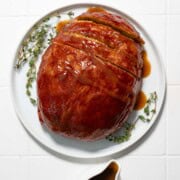
Seitan (Wheat Meat)
Seitan is made from gluten, the main protein in wheat. It is low in calories, fat, and carbohydrates. Cooked seitan looks and tastes like meat, making it a popular meat substitute for vegans and vegetarians.
A 3.5-ounce serving of seitan contains 25 grams of protein. (~60 percent of the RDA)
Try this delicious Easy Vegan Turkey made with seitan. It is an ideal plant-based Thanksgiving recipe.
Soy Curls
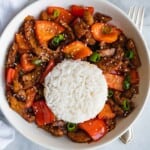
Soy curls are made from non-GMO, whole soybeans, grown without chemical pesticides. They are high in all nine essential amino acids, as well as fiber and iron. In addition, they are gluten-free.
Soy curls are bland on their own but readily absorb the flavors of sauces and marinades. When cooked, they taste remarkably like chicken.
One serving of soy curls (¾ cup dry) contains 11g of protein. (~26 percent of the RDA)
Try this iron-rich Easy Soy Curl & Vegetable Stir-Fry. It is a meaty, flavorful, and family-friendly meal.
Tempeh, Tofu, and Edamame
These three protein-rich foods come from soybeans.
Edamame are immature soybeans. Tofu is made by coagulating soy milk and then pressing the resulting bean curds together into solid white blocks. Tempeh is made by fermenting mature soybeans, and then pressing them into a block.
They are high in fiber and heart-healthy fats. Plus, they are versatile and easy to prepare.
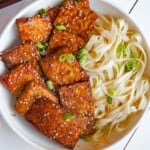
Tempeh
A 3-ounce serving of tempeh contains 18 grams of protein. (~43 percent of the RDA)
I figured out how to make the best-tasting tempeh!
Tofu
Super firm tofu: A 3-ounce serving contains 14 grams of protein. (~33 percent of the RDA)
Firm tofu: A 3-ounce serving contains 8 grams of protein. (~19 percent of the RDA)
Medium firm tofu: A 3-ounce serving contains 6 grams of protein. (~14 percent of the RDA)
Silken tofu: A 3-ounce serving contains 4 grams of protein. (~10 percent of the RDA)

Edamame
One-half cup serving of shelled edamame contains 8 grams of protein. (~19 percent of the RDA)
🍛 Legumes
Lentils
Lentils of all colors contain roughly the same amount of protein. They are also high in iron, fiber, and several other nutrients.
One-half cup serving of cooked lentils supplies about 12 grams of protein. (~29 percent of the RDA)
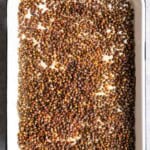
Try this roasted crispy lentil recipe for a high-protein topping or side.
Beans & Chickpeas
Most varieties of beans are a good source of protein. Plus, they are high in fiber, iron, and several other nutrients.
One-half cup serving of cooked beans contains 8 grams of protein. (~19 percent of the RDA)
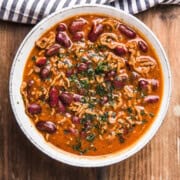
Double down on protein with this black bean and tofu chili.
🍃 Nutritional Yeast
Nutritional yeast is a deactivated strain of Saccharomyces cerevisiae yeast. Sold as a yellow powder or flakes, it has a cheesy flavor and is a popular ingredient in vegan cooking. Fortified nutritional yeast is an excellent source of vitamin B12 and protein.
One half-ounce serving of nutritional yeast contains 8 grams of protein. (~19 percent of the RDA)
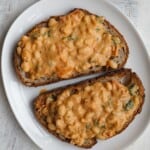
Try this B12-loaded nutritional yeast white bean recipe.
🥣 Quinoa
Quinoa is technically a seed, even though it is commonly referred to as a grain or pseudo-grain. It is gluten-free.
One ¾-cup serving of cooked quinoa contains 9 grams of protein. (~21 percent of the RDA)
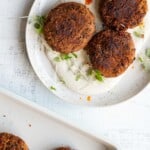
Try this easy, budget, and pantry-friendly quinoa recipe.
🥛 Soy Milk
Soy milk is made from soybeans, which are rich in all nine essential amino acids. In addition, most brands are fortified with vitamin D and B12. Opt for unsweetened soy milk whenever possible.
A serving size of 1 cup of soy milk contains 8 grams of protein. (~19 percent of the RDA)
Try this stew made with soy milk, tempeh, and white beans.
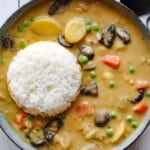
🍚 Wild Rice
Despite its name, wild rice is an aquatic grass. It contains double the amount of protein as brown rice.
One serving of cooked wild rice (1 cup) contains 6 grams of protein. (~14 percent of the RDA)
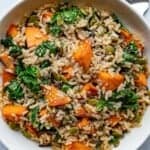
🌿 Hemp Hearts
Hemp hearts, or hemp seeds, are technically a nut. They have a mild, nutty flavor and are delicious in salads, sprinkled on avocado toast, mixed into sandwich spreads, and much more.
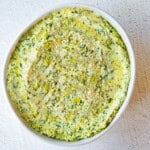
One 3-tablespoon serving of hemp hearts contains 10 grams of protein. (~24 percent of the RDA) Plus, they are high in iron, heart-healthy fats, and several other nutrients.
Try this nourishing protein-rich artichoke dip recipe with hemp hearts.
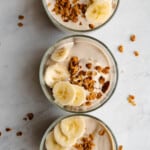
🌱 Chia Seeds
Chia seeds have a mild, nutty flavor that complements both sweet and savory dishes. Mix them into salad dressings, smoothies, baked goods, or granola. Or use them to make chia jam, or as a vegan egg substitute.
One 2-tablespoon serving of chia seeds contains 6 grams of protein. (~14 percent of the RDA) Plus, they are especially high in fiber, calcium, iron, and heart-healthy fats.
Try this fan-favorite chia pudding recipe.
🥜 Nuts and Nut Butters
Nuts are a healthful source of protein, fiber, heart-healthy fats, iron, and several other nutrients. Blanching and roasting them can lower their nutritional value, so they are best eaten raw. Opt for natural nut butter without added oil, sugar, and salt.
One 2-tablespoon serving of nut butter contains 8 grams of protein. (~19 percent of the RDA)
Try this high-protein chili made with nut butter.
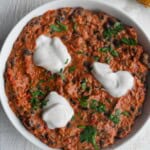
🥗 Protein-Rich Veggies and Fruit
Vegetables with the most amount of protein include spinach, Brussels sprouts, sweet potato, artichokes, broccoli, asparagus, corn (grain), and white mushrooms.
Fresh fruit generally have a lower protein content than vegetables. Those with the most protein include guava, avocado, jackfruit, apricot, kiwi, grapefruit, cherries, blackberries, raspberries, bananas, grapefruit, and oranges.
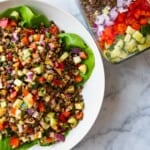
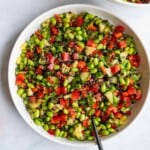
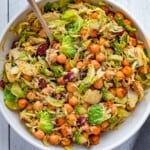
Try this veggie-loaded salad recipe.
👩🏽🍳 A High-Protein Vegan Diet
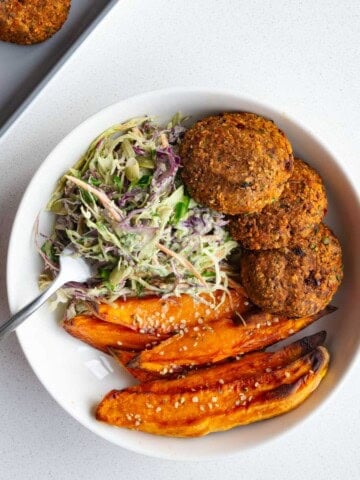
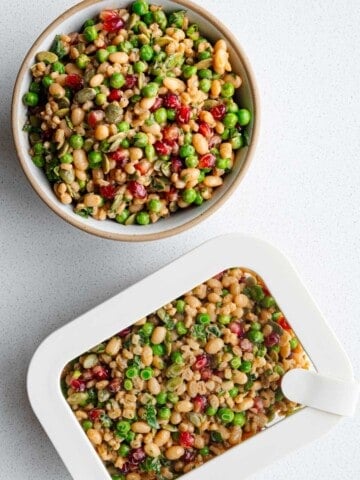
Visit my Vegan High-Protein Recipes page for a variety of high-protein recipes, including sides and dips. A well-planned vegan diet can supply all the protein your body needs. Check out my Vegan Meal Plans, which make it easy to incorporate protein-rich plant foods throughout the day to maintain your energy levels.
⭐️ I dedicated a lot of time to creating this vegan protein guide. If you found it helpful, I would greatly appreciate it if you could ⭐️ leave a comment. Thank you in advance!
Taunya says
I’m so excited to find your site! I can’t wait to try these recipes and really enjoy the educated information.
I’m vegan strictly for health reasons and it’s working! LDL down 53 points!
Nisha Melvani, RDN says
Wow, that's a significant decrease! Good for you!! Mine keeps decreasing too:) Welcome:)
Trixie says
You are a God-send! Exactly the information I needed..the missing puzzle piece to making this vegan thing work after trying to figure it all out for the past 3 years now! I didn’t realize I wasn’t consuming enough protein or how to even make whole, balanced recipes. Thank you so, so much! Truly & sincerely ~
Nisha Melvani, RDN says
So happy you found it helpful. Thank you for letting me know. Appreciate it!
John says
This is a fantastic article! Thank you.
Nisha Melvani, RDN says
So glad to hear that you found it helpful. Thank you.
Paige S Campbell says
Thank you for the time in putting this article together and the wealth and quality of info provided. It is quite evident this is your passion
Nisha Melvani, RDN says
Thank you for taking the time to read it and comment:)
Baran says
This is the most informative article i have ever read, supported with medical researches. Thank you for your time and have done this available for free.❤️
Nisha Melvani, RDN says
Thank you for taking the time to comment. It means a lot to know this work is helping others. Have a wonderful Sunday!
Tanya Thienngern says
Wow! Thank you so much for this immense amount of information! I have been vegan for over 30 years. Now that I’m older, I use a walker to walk, which is challenging to say the least. I see a personal trainer, three times a week and he emphasizes getting a lot of protein but until reading your article with recipes I hadn’t prioritized it. I get some protein but not nearly enough to build muscle. I hope you have a beautiful weekend.
Nisha Melvani, RDN says
Thank you for taking the time to read it. Keep it up with the trainer! That's great!
Ruba says
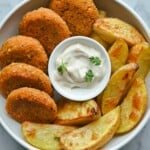
A very useful explanation 🙏🏻 thank you, love your website, I am going to try your lentil buns in the next few days, they look great
Nisha Melvani, RDN says
Thank you. Hope you love them!
Valorie says
Hi Rachael, where can I find your recipe for the high protein best veggie patties. I saw your short video. I just need to know how much ingredients to put in it. It looks delicious and I would love to try it.
Nisha Melvani, RDN says
Hi. This is Nisha. I think you mean these: https://cookingforpeanuts.com/vegan-patties/
Paul says
What a wonderful and helpful resource. As a Nutritarian, I have lost 70 pounds and now need to add back some muscle mass. Any advice would be so great. Thanks
Nisha Melvani, RDN says
I would resistance train regularly, include lots of good protein sources like lentils and tempeh, and take some creatine.
Beatriz says
The dedication!! Thank you for every little thing you do! ⭐
Nisha Melvani, RDN says
Thank you for your kind comment. It means a lot!
Heidi says
Thank you so much for all the wonderful and extremely useful information you put out there! seriously i don’t know what i’d do without this blog!!
Nisha Melvani, RDN says
You are more than welcome and thank you for your kind comment.
Mitja says
Hey there,
I read this guide with great interest and im glad to have learned quite a Lot. Also tackled lots of myths which found their way into my knowledge over the years of watching lifters on YouTube.
So thanks a Lot, really appreciate the huge amounts of work put in to all your content.
Best regards,
Mitja from Germany.
Nisha Melvani, RDN says
Hi Mitja, Thank you for taking the time to read it. I'm so glad you found it useful.
Cindy says
Nisha,
These look so AMAZING! I can't wait to try them, and I'm sure I'll feel better, look better, and be better, and I already eat lots of veggies but am so confused on what all is best to eat.
THANK YOU soooooo much!!!
Nisha Melvani, RDN says
I'm so glad it was helpful. Thank you for taking the time to read it. Have a great week.
Jing says
This is awesome compilation, my ultimate reference on protein. Love your work!! 🫰😃
Nisha Melvani, RDN says
Thank you so much for taking the tome to read it and comment! So glad it was helpful.
Heather Hepner says
I love all great information paired with practical recipes.
Nisha Melvani, RDN says
Thank you so much for taking the time to leave a comment.
Rosemary French says
Excellent resource. Thanks!
Nisha Melvani, RDN says
Thank you so much for taking the time to read it.
Ruby Kapil says
I appreciate the detailed information and how you have planned out meals and provide the recipes for the meals. And I like that you added a recipe for the various protein sources as well. I have added this to the Home Screen of my phone so I can refer to it often. It’s nice to see such a comprehensive guide on protein.
Another feature I would enjoy are links to research studies or sources.
I love your channels. Your recipes look tasty. Thank you for your work.
Nisha Melvani, RDN says
Thank you for taking the time to read this and I am thrilled that you find it helpful. Noted on guide links!
Diana Cignavitch says
Love your recipes!
Nisha Melvani, RDN says
Thank you so much!!!
CsF says
Excellent info. Thank you!
Nisha Melvani, RDN says
Thank you so much.
Sharon Nazarian aka That Snazzy Life says
Awesome post, Nisha!! I just love your Instagram posts too!! Even though I've been following you for a while now, I haven't always seen your posts, thanks to the Insta algorithm. Just binge-watched a bunch of them. Hearted and favorited all of them too. 🙂 I need to get your book. Haven't bought a cookbook in a while, but am inspired to check out yours. Congratulations!!
Nisha Melvani says
Thank you so much for your support. Have a wonderful evening.
Correen says
Learned so many new things from reading this article. Thank you so much. Is there anyway to make up a PDF? I'd like to use it as a reference, scribble notes on it and try each one of the recipes from the guide. I'll look back in for a reply. ♥
Nisha Melvani says
Thank you for taking the time to read it. I will look into providing a PDF soon. Have a great day.
Amina says
I love this post because it is so comprehensive and it includes sample recipes. I sometimes worry I don’t have enough protein in my vegan diet so this is a very reassuring & useful guide. Thanks Nisha!
Nisha Melvani says
Thanks for taking the to read it. Have a great day.