

Everyone wants to know which longevity foods to eat, but the answer isn't a single superfood. Research suggests that certain fruits, fibers, herbs, spices, and plant compounds may support healthy aging by reducing inflammation, improving cholesterol levels, supporting gut health, activating autophagy, and helping the body clear out damaged cells.

Save This Recipe!
Type your email & I'll send it to you!
Jump to:
- 🍓 Strawberries: One of the Best Foods for Longevity
- 🍎 Apples: A Prebiotic Powerhouse
- 🌳 Capers Contain a Powerful Longevity Compound
- 🤷🏽♀️ Longevity Foods That Activate Autophagy
- 👨🏽🦰 Best Spices for Healthy Aging
- 🩺 Foods That Help Lower Cholesterol
- 🍘 Best Foods for Reducing Inflammation
- 🍫 Longevity Benefits of Cocoa Powder
- 🌱 How to Increase Sulforaphane from Broccoli and Other Cruciferous Vegetables
- 🍽️ Final Thoughts
- 📄 References
- 💬 Comments
🍓 Strawberries: One of the Best Foods for Longevity
Strawberries are the richest dietary source of fisetin, a senotherapeutic that extends lifespan and destroys senescent, pro-inflammatory zombie cells in human tissue. Plus, just a handful of berries a day can slow the brain's aging by two years!
Osteoarthritis patients who consumed approximately a pint and a half of strawberries daily for 12 weeks experienced a significant reduction in inflammatory markers, as well as improvements in pain and overall quality of life. Strawberries help lower the levels of an inflammatory mediator called tumor necrosis factor (TNF) circulating in the blood.
Randomized controlled trials show a similar amount of strawberries can also help lower high cholesterol and reduce CRP levels, a marker of systemic inflammation. Even just a single meal can help.
They are also great for gut health. Researchers added about an ounce of powdered strawberries to their daily diets for a month. Not only did they experience a boost of typical good gut bugs like Bifidobacteria, but also a significant increase in Christensenellaceae. This newly discovered bacterial family comprises only about 0.01% of the human gut microbiome but has been associated with longevity.
The antioxidant phytonutrients believed to contribute to some of the health benefits of strawberries, remain stable during freezing and freeze-drying but degrade when cooked. However, opt for organic strawberries whenever possible as they are on the dirty dozen list due to high pesticide levels.
🍎 Apples: A Prebiotic Powerhouse
Apples are one of the best natural sources of pectin, a soluble fiber that acts as a prebiotic. Pectin is fermented by beneficial gut bacteria, including Bifidobacterium and Lactobacillus, helping support a more favorable gut microbiome. During fermentation, these bacteria produce short-chain fatty acids, including butyrate, which helps nourish cells lining the colon, support the integrity of the gut barrier, and regulate inflammatory and immune signaling.
Apples also contain antioxidant polyphenols, including quercetin, catechin, chlorogenic acid, and phloridzin, which may contribute additional anti-inflammatory and metabolic benefits. Pairing apples with probiotic-rich yogurt is especially interesting because the pectin provides fermentable fiber that can help nourish the live cultures in the yogurt-combining prebiotics and probiotics in one simple meal.
🌳 Capers Contain a Powerful Longevity Compound
Capers are one of the richest dietary sources of quercetin, a flavonoid with antioxidant and anti-inflammatory properties. Quercetin has demonstrated senolytic activity in experimental studies, meaning it may help target and eliminate senescent ("zombie") cells-aged or damaged cells that accumulate with age and contribute to age-related diseases.
🤷🏽♀️ Longevity Foods That Activate Autophagy
Autophagy is the body's natural cellular cleanup process. It helps remove damaged cellular components and is considered one of the key pathways involved in healthy aging.
Wheat Germ: The Richest Food Source of Spermidine
Wheat Germ is the most concentrated dietary source of spermidine, a compound that plays a key role in regulating cell growth and is a potent activator of autophagy.
Barberries and Berberine
Barberries contain berberine, which helps boost the AMPK and autophagy anti-aging pathways.
Strawberry Powder and Fisetin
Strawberry powder contains fisetin, which boosts anti-aging autophagy, helps reduce inflammation, and may help fight cancer.
👨🏽🦰 Best Spices for Healthy Aging
Herbs and spices are among the most concentrated sources of antioxidants in the human diet.
Cloves: The Most Antioxidant-Rich Spice
Cloves have the most antioxidants of all the spices.
Cinnamon: An Affordable Longevity Spice
Cinnamon is one of the cheapest common food sources of antioxidants.
Green Cardamom and Healthy Aging
Green cardamom may support healthy aging by boosting sirtuin-1 levels, a protein linked to longevity. Sirtuin-1 levels naturally decrease with age, and this decline is often connected to age-related issues like frailty. By potentially enhancing sirtuin-1 levels, green cardamom could help mitigate these effects and promote healthier aging.
Turmeric: One of the Most Anti-Inflammatory Foods
Turmeric's active compound curcumin has been proven to benefit inflammatory diseases. Scoring as the most anti-inflammatory food in the Dietary Inflammatory Index, just half a teaspoon daily can help reduce inflammation and support overall wellness.
Black Pepper Improves Curcumin Absorption
Black pepper enhances the anti-inflammatory benefits of curcumin.
Ginger and Garlic Powder for Inflammation
Ginger and garlic powder rank just behind turmeric as the top anti-inflammatory foods on the Dietary Inflammatory Index.
Including half a teaspoon to one and three-quarters teaspoons of ground ginger in your daily diet has been shown to significantly lower inflammatory markers, offering a natural way to support your body's defenses.
Similarly, garlic powder brings anti-inflammatory benefits. Just a third of a teaspoon daily has been proven to reduce inflammation markers in the blood, while also alleviating pain intensity, fatigue, and disease activity.
Long Pepper and Senescent Cell Removal
Long pepper contains the anti-aging compound piperlongumine. Scientists found that this natural compound can remove old, damaged cells called senescent cells without harming healthy ones. This helps slow aging and reduce problems from diseases or treatments like chemotherapy.
Cayenne Pepper and Longevity
Cayenne pepper can counteract the metabolic slowing that often occurs with weight loss, and help to accelerate fat burning.
Even beyond its weight loss effects, cayenne offers impressive longevity benefits. Four quality studies found that people who regularly consume spicy foods, including cayenne, significantly decrease their risk of dying. Adding a pinch of cayenne to your meals is an easy way to spice things up while supporting your long-term health.
Marjoram: An Antioxidant Powerhouse
When it comes to antioxidants, ounce for ounce, dried herbs and spices are among the most powerful foods you can add to your diet.
Marjoram is a standout example-just two-thirds of a teaspoon can nearly double the antioxidant content of any dish.
🩺 Foods That Help Lower Cholesterol
Amla Powder for LDL Cholesterol
Amla powder is proven to help lower LDL cholesterol.
Psyllium Husk for Cholesterol and Blood Sugar
Psyllium Husk is a soluble fiber that helps regulate digestion, ease constipation, improve stool consistency, and support gut health.
It can also help lower LDL cholesterol and reduce blood-sugar spikes when taken with adequate water.
Black Cumin Seeds (Nigella Seeds)
Black cumin seeds, also known as nigella seeds or kalonji, may improve weight loss, cholesterol, triglycerides, blood pressure, and blood sugar control. Use about 1-2 grams daily (about a quarter teaspoon).
🍘 Best Foods for Reducing Inflammation
Flaxseed Meal
Flaxseed meal can reduce inflammation by lowering C-reactive protein and is rich in lignans, which may help fight cancer.
Strawberries
Strawberries have been shown to lower inflammatory markers including TNF and CRP while supporting heart, brain, and gut health.
Turmeric, Ginger, and Garlic
These three kitchen staples consistently rank among the most anti-inflammatory foods on the Dietary Inflammatory Index.
🍫 Longevity Benefits of Cocoa Powder
Regular cocoa flavanol consumption may have positive effects on facial wrinkles and elasticity.
🌱 How to Increase Sulforaphane from Broccoli and Other Cruciferous Vegetables
Broccoli Sprouts
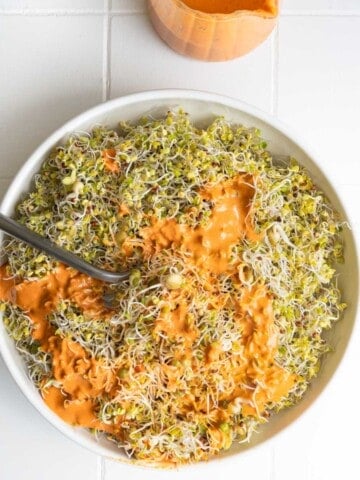
Broccoli sprouts are one of the richest food sources of glucoraphanin, which is converted to sulforaphane-a compound extensively studied for its chemopreventive potential. Sulforaphane activates cellular defense pathways that help the body respond to oxidative stress and potentially harmful compounds, and research suggests it may also influence inflammation, cell growth, and other processes involved in cancer development.
Mustard Powder
Mustard powder increases the production of anti-cancer sulforaphane in cooked cruciferous vegetables.
🍽️ Final Thoughts
Longevity isn't about a single food. The strongest evidence points toward regularly including a variety of berries, fiber-rich foods, herbs, spices, and plant compounds that support healthy cholesterol levels, reduce inflammation, nourish the gut microbiome, activate autophagy, and promote healthy aging pathways. Small daily additions-such as strawberries, flaxseed, psyllium, turmeric, wheat germ, cocoa powder, and antioxidant-rich spices-may add up to meaningful long-term benefits.
📄 References
Strawberries
1. Khan, N., Syed, D. N., Ahmad, N., & Mukhtar, H. (2013). Fisetin: a dietary antioxidant for health promotion. Antioxidants & redox signaling, 19(2), 151-162. https://doi.org/10.1089/ars.2012.4901
2. Meiners, F., Hinz, B., Boeckmann, L., Hesse, M., Fritsche, E., & Bartsch, J. W. (2024). Computational identification of natural senotherapeutic compounds that mimic dasatinib based on gene expression data. Scientific Reports, 14, 6286. https://doi.org/10.1038/s41598-024-55870-4
3. Subash, S., Essa, M. M., Al-Adawi, S., Memon, M. A., Manivasagam, T., & Akbar, M. (2014). Neuroprotective effects of berry fruits on neurodegenerative diseases. Neural regeneration research, 9(16), 1557-1566. https://doi.org/10.4103/1673-5374.139483
4. Schell, J., Scofield, R. H., Barrett, J. R., Kurien, B. T., Betts, N., Lyons, T. J., Zhao, Y. D., & Basu, A. (2017). Strawberries Improve Pain and Inflammation in Obese Adults with Radiographic Evidence of Knee Osteoarthritis. Nutrients, 9(9), 949. https://doi.org/10.3390/nu9090949
5. Basu, A., , Kurien, B. T., , Tran, H., , Byrd, B., , Maher, J., , Schell, J., , Masek, E., , Barrett, J. R., , Lyons, T. J., , Betts, N. M., , & Hal Scofield, R., (2018). Strawberries decrease circulating levels of tumor necrosis factor and lipid peroxides in obese adults with knee osteoarthritis. Food & function, 9(12), 6218-6226. https://doi.org/10.1039/c8fo01194j
6. Jenkins, D. J., Nguyen, T. H., Kendall, C. W., Faulkner, D. A., Bashyam, B., Kim, I. J., Ireland, C., Patel, D., Vidgen, E., Josse, A. R., Sesso, H. D., Burton-Freeman, B., Josse, R. G., Leiter, L. A., & Singer, W. (2008). The effect of strawberries in a cholesterol-lowering dietary portfolio. Metabolism: clinical and experimental, 57(12), 1636-1644. https://doi.org/10.1016/j.metabol.2008.07.018
7. Sesso, H. D., Gaziano, J. M., Jenkins, D. J., & Buring, J. E. (2007). Strawberry intake, lipids, C-reactive protein, and the risk of cardiovascular disease in women. Journal of the American College of Nutrition, 26(4), 303-310. https://doi.org/10.1080/07315724.2007.10719615
8. Henning, S., Yang, J., Woo, S. L., Li, R. P., Huang, J., Thames, G., Gilbuena, I., Tseng, C. H., Ezzat-Zadeh, Z., Heber, D., & Li, Z. (2020). California Strawberry Consumption Alters Gut Microbiome in Healthy Participants: A Pilot Study. Current Developments in Nutrition, 4(Suppl 2), 1561. https://doi.org/10.1093/cdn/nzaa062_018
9. Kowalska, J., Kowalska, H., Marzec, A., Brzeziński, T., Samborska, K., & Lenart, A. (2018). Dried strawberries as a high nutritional value fruit snack. Food science and biotechnology, 27(3), 799-807. https://doi.org/10.1007/s10068-018-0304-6
10. Environmental Working Group. (2026). The Dirty Dozen™. EWG's Shopper's Guide to Pesticides in Produce™. https://www.ewg.org/foodnews/dirty-dozen.php
Apples
1. Elshahed MS, Miron A, Aprotosoaie AC, Farag MA. Pectin in diet: Interactions with the human microbiome, role in gut homeostasis, and nutrient-drug interactions. Carbohydr Polym. 2021;255:117388. doi:10.1016/j.carbpol.2020.117388
2. Pascale N, Gu F, Larsen N, Jespersen L, Respondek F. The Potential of Pectins to Modulate the Human Gut Microbiota Evaluated by In Vitro Fermentation: A Systematic Review. Nutrients. 2022;14(17):3629. doi:10.3390/nu14173629
3. Kschonsek J, Wolfram T, Stöckl A, Böhm V. Polyphenolic Compounds Analysis of Old and New Apple Cultivars and Contribution of Polyphenolic Profile to the In Vitro Antioxidant Capacity. Antioxidants (Basel). 2018;7(1):20. doi:10.3390/antiox7010020
Capers
1. Malinovska, L., Palmfeldt, J., Bergersen, L. H., & Waagepetersen, H. S. (2020). Quercetin and its derivatives as senolytic agents: A review. Biomedicines, 8(7), 223. https://doi.org/10.3390/biomedicines8070223
Foods That Activate Autophagy
1. Madeo, F., Bauer, M. A., Carmona-Gutierrez, D., & Kroemer, G. (2019). Spermidine: a physiological autophagy inducer acting as an anti-aging vitamin in humans?. Autophagy, 15(1), 165-168. https://doi.org/10.1080/15548627.2018.1530929
2. Jin, Y., Liu, S., Ma, Q., Xiao, D., & Chen, L. (2017). Berberine enhances the AMPK activation and autophagy and mitigates high glucose-induced apoptosis of mouse podocytes. European journal of pharmacology, 794, 106-114. https://doi.org/10.1016/j.ejphar.2016.11.037
3. Sun, Y., Qin, H., Zhang, H., Feng, X., Yang, L., Hou, D. X., & Chen, J. (2021). Fisetin inhibits inflammation and induces autophagy by mediating PI3K/AKT/mTOR signaling in LPS-induced RAW264.7 cells. Food & nutrition research, 65, 10.29219/fnr.v65.6355. https://doi.org/10.29219/fnr.v65.6355
4. Rahmani, A. H., Almatroudi, A., Allemailem, K. S., Khan, A. A., & Almatroodi, S. A. (2022). The Potential Role of Fisetin, a Flavonoid in Cancer Prevention and Treatment. Molecules (Basel, Switzerland), 27(24), 9009. https://doi.org/10.3390/molecules27249009
Best Spices for Healthy Aging
1. Yashin, A., Yashin, Y., Xia, X., & Nemzer, B. (2017). Antioxidant Activity of Spices and Their Impact on Human Health: A Review. Antioxidants (Basel, Switzerland), 6(3), 70. https://doi.org/10.3390/antiox6030070
2. Daneshi-Maskooni, M., Keshavarz, S. A., Qorbani, M., Mansouri, S., Alavian, S. M., Badri-Fariman, M., & Jazayeri-Tehrani, S. A. (2018). Green cardamom increases Sirtuin-1 and reduces inflammation in overweight or obese patients with non-alcoholic fatty liver disease: A double-blind randomized placebo-controlled clinical trial. Nutrition & Metabolism, 15, 63. https://doi.org/10.1186/s12986-018-0297-4
3. Shivappa, N., Steck, S. E., Hurley, T. G., Hussey, J. R., & Hébert, J. R. (2014). Designing and developing a literature-derived, population-based dietary inflammatory index. Public health nutrition, 17(8), 1689-1696. https://doi.org/10.1017/S1368980013002115
4. Khajehdehi, P., Zanjaninejad, B., Aflaki, E., Nazarinia, M., Azad, F., Malekmakan, L., & Dehghanzadeh, G. R. (2012). Oral supplementation of turmeric decreases proteinuria, hematuria, and systolic blood pressure in patients suffering from relapsing or refractory lupus nephritis: a randomized and placebo-controlled study. Journal of renal nutrition : the official journal of the Council on Renal Nutrition of the National Kidney Foundation, 22(1), 50-57. https://doi.org/10.1053/j.jrn.2011.03.002
5. Daily, J. W., Yang, M., & Park, S. (2016). Efficacy of Turmeric Extracts and Curcumin for Alleviating the Symptoms of Joint Arthritis: A Systematic Review and Meta-Analysis of Randomized Clinical Trials. Journal of medicinal food, 19(8), 717-729. https://doi.org/10.1089/jmf.2016.3705
6. Aggarwal, B. B., Gupta, S. C., & Sung, B. (2013). Curcumin: an orally bioavailable blocker of TNF and other pro-inflammatory biomarkers. British journal of pharmacology, 169(8), 1672-1692. https://doi.org/10.1111/bph.12131
7. Morvaridzadeh, M., Fazelian, S., Agah, S., Khazdouz, M., Rahimlou, M., Agh, F., Potter, E., Heshmati, S., & Heshmati, J. (2020). Effect of ginger (Zingiber officinale) on inflammatory markers: A systematic review and meta-analysis of randomized controlled trials. Cytokine, 135, 155224. https://doi.org/10.1016/j.cyto.2020.155224
8. Darooghegi Mofrad, M., Milajerdi, A., Koohdani, F., Surkan, P. J., & Azadbakht, L. (2019). Garlic Supplementation Reduces Circulating C-reactive Protein, Tumor Necrosis Factor, and Interleukin-6 in Adults: A Systematic Review and Meta-analysis of Randomized Controlled Trials. The Journal of nutrition, 149(4), 605-618. https://doi.org/10.1093/jn/nxy310
9. Liu, X., Wang, Y., Zhang, X., Gao, Z., Zhang, S., Shi, P., Zhang, X., Song, L., Hendrickson, H., Zhou, D., & Zheng, G. (2018). Senolytic activity of piperlongumine analogues: Synthesis and biological evaluation. Bioorganic & medicinal chemistry, 26(14), 3925-3938. https://doi.org/10.1016/j.bmc.2018.06.013
10. Hashemian, M., Poustchi, H., Murphy, G., Etemadi, A., Kamangar, F., Pourshams, A., Khoshnia, M., Gharavi, A., Brennan, P. J., Boffetta, P., Dawsey, S. M., Abnet, C. C., & Malekzadeh, R. (2019). Turmeric, pepper, cinnamon, and saffron consumption and mortality. Journal of the American Heart Association, 8(18), e012240. https://doi.org/10.1161/JAHA.119.012240
11. Chopan, M., & Littenberg, B. (2017). The Association of Hot Red Chili Pepper Consumption and Mortality: A Large Population-Based Cohort Study. PloS one, 12(1), e0169876. https://doi.org/10.1371/journal.pone.0169876
12. Paur, I., Carlsen, M. H., Halvorsen, B. L., & Blomhoff, R. (2011). Antioxidants in herbs and spices: Roles in oxidative stress and redox signaling. In I. F. F. Benzie & S. Wachtel-Galor (Eds.), Herbal medicine: Biomolecular and clinical aspects (2nd ed., Chapter 2). CRC Press/Taylor & Francis. https://www.ncbi.nlm.nih.gov/books/NBK92763/
Foods That Help Lower Cholesterol
1. Gopa, B., Bhatt, J., & Hemavathi, K. G. (2012). A comparative clinical study of hypolipidemic efficacy of Amla (Emblica officinalis) with 3-hydroxy-3-methylglutaryl-coenzyme-A reductase inhibitor simvastatin. Indian journal of pharmacology, 44(2), 238-242. https://doi.org/10.4103/0253-7613.93857
2. Gibb, R. D., Sloan, K. J., & McRorie, J. W., Jr (2023). Psyllium is a natural nonfermented gel-forming fiber that is effective for weight loss: A comprehensive review and meta-analysis. Journal of the American Association of Nurse Practitioners, 35(8), 468-476. https://doi.org/10.1097/JXX.0000000000000882
3. Al Asoom L. (2022). Is Nigella sativa an Effective Bodyweight Lowering Agent and a Mitigator of Obesity Risk? A Literature Review. Vascular health and risk management, 18, 495-505. https://doi.org/10.2147/VHRM.S373702
Best Foods for Reducing Inflammation
1. Ren, G. Y., Chen, C. Y., Chen, G. C., Chen, W. G., Pan, A., Pan, C. W., Zhang, Y. H., Qin, L. Q., & Chen, L. H. (2016). Effect of Flaxseed Intervention on Inflammatory Marker C-Reactive Protein: A Systematic Review and Meta-Analysis of Randomized Controlled Trials. Nutrients, 8(3), 136. https://doi.org/10.3390/nu8030136
2. Mukhija, M., Joshi, B. C., Bairy, P. S., Bhargava, A., & Sah, A. N. (2022). Lignans: a versatile source of anticancer drugs. Beni-Suef University journal of basic and applied sciences, 11(1), 76. https://doi.org/10.1186/s43088-022-00256-6
Longevity Benefits of Cocoa Powder
1. Yoon, H. S., Kim, J. R., Park, G. Y., Kim, J. E., Lee, D. H., Lee, K. W., & Chung, J. H. (2016). Cocoa Flavanol Supplementation Influences Skin Conditions of Photo-Aged Women: A 24-Week Double-Blind, Randomized, Controlled Trial. The Journal of nutrition, 146(1), 46-50. https://doi.org/10.3945/jn.115.217711
How to Increase Sulforaphane from Broccoli and Other Cruciferous Vegetables
1. Atwell, L. L., Hsu, A., Wong, C. P., Stevens, J. F., Bella, D., Yu, T. W., Pereira, C. B., Löhr, C. V., Christensen, J. M., Dashwood, R. H., Williams, D. E., Shannon, J., & Ho, E. (2015). Absorption and chemopreventive targets of sulforaphane in humans following consumption of broccoli sprouts or a myrosinase-treated broccoli sprout extract. Molecular Nutrition & Food Research, 59(3), 424-433. https://doi.org/10.1002/mnfr.201400674
2. Ghawi, S. K., Methven, L., & Niranjan, K. (2013). The potential to intensify sulforaphane formation in cooked broccoli (Brassica oleracea var. italica) using mustard seeds (Sinapis alba). Food Chemistry, 138(2-3), 1734-1741. https://doi.org/10.1016/j.foodchem.2012.10.119
3. Clarke, J. D., Dashwood, R. H., & Ho, E. (2008). Multi-targeted prevention of cancer by sulforaphane. Cancer letters, 269(2), 291-304. https://doi.org/10.1016/j.canlet.2008.04.018
Patty Garvey says
How can one specifically incorporate WHOLE CLOVES into their diet for the best benefit?
Please provide a method or recipe if possible. Thanks!
Nisha Melvani, RDN says
I prefer to grind whole cloves and use just a small pinch at a time. You can stir them into oatmeal, overnight oats, smoothies, yogurt, or add them to a homemade longevity powder or spice blend. Cloves have a very strong flavor, so a little goes a long way. Grinding whole cloves just before using them also helps preserve their aroma and beneficial compounds.https://cookingforpeanuts.com/health-powder/ https://cookingforpeanuts.com/longevity-spice-mix/
Josie says
Hi. I read the article. Thank you for all of the information. Is there a particular brand of strawberry powder that you recommend?
Thanks
Nisha Melvani, RDN says
Yes. You can find it here https://linksta.io/6d38857b