

10-Minute High-Protein Longevity Miso Bowl that tastes delicious raw or cooked. A crunchy mixture of kale, cabbage, and edamame with an anti-aging miso sauce. Packed with protein and fiber. Gluten-free.

Save This Recipe!
Type your email & I'll send it to you!
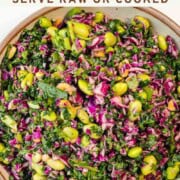
This miso salad bowl goes both ways! You can roast the veggies for a cooked salad, or chop everything in a food processor for a 10-minute raw crunch salad. Then marinate the salad in the tangy miso sauce. Meal prep a large weekly batch and serve it with quinoa, farro, or soba noodles.
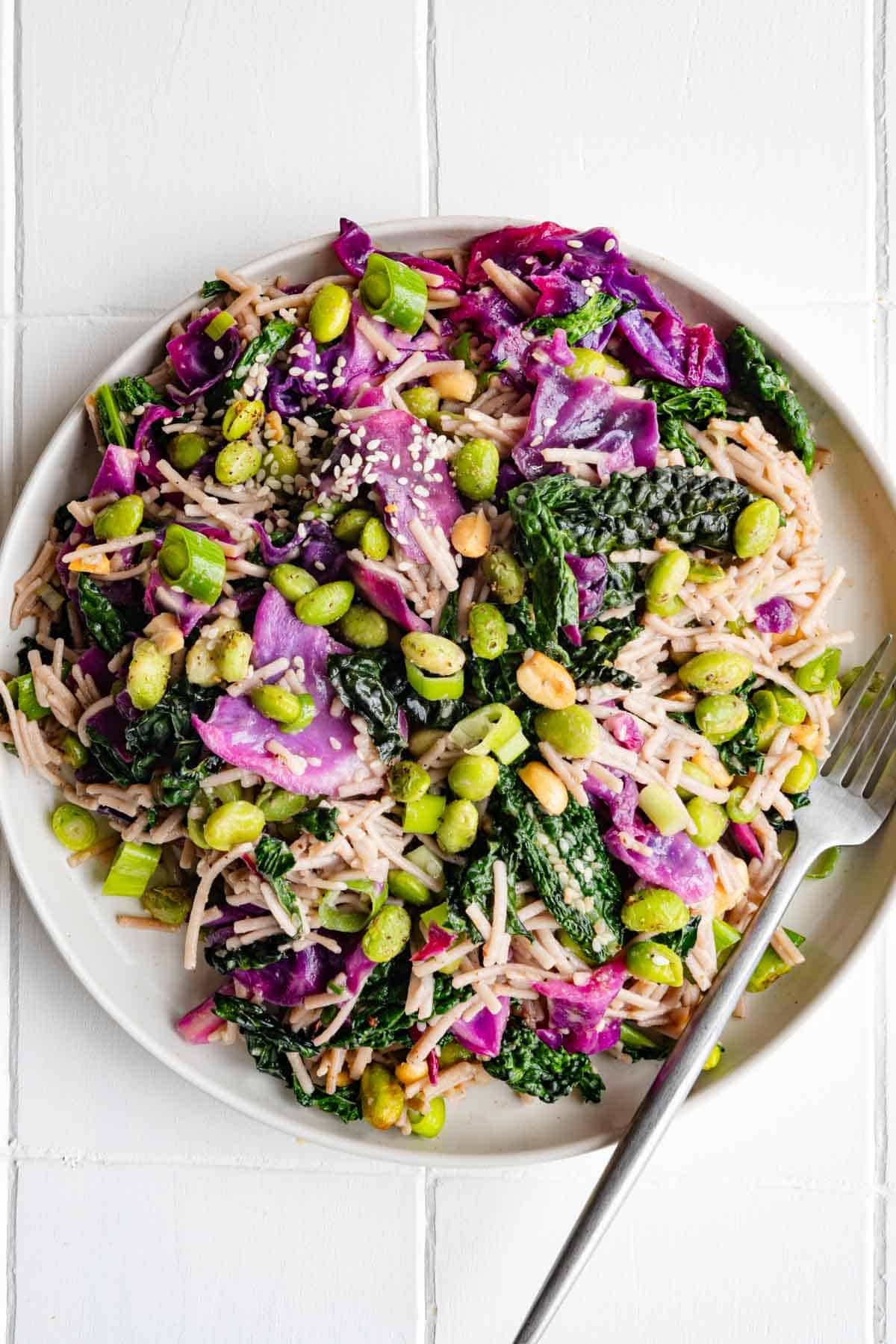
Made with all healthful and flavorful ingredients, this easy miso bowl will satisfy your daily veggie requirements and taste buds.
The 5-ingredient miso sauce, made with anti-aging ingredients, is perfect for warm and cold dishes. The sauce does not get heated, preserving the benefits of fermented miso.
This Miso Bowl recipe was inspired by my anti-aging Strawberry Kale Salad, this High-Protein Tofu Buddha Bowl, as well as this Healthy Thai Crunch Salad.
Jump to:
👩🏼🌾Ingredients
For the salad:
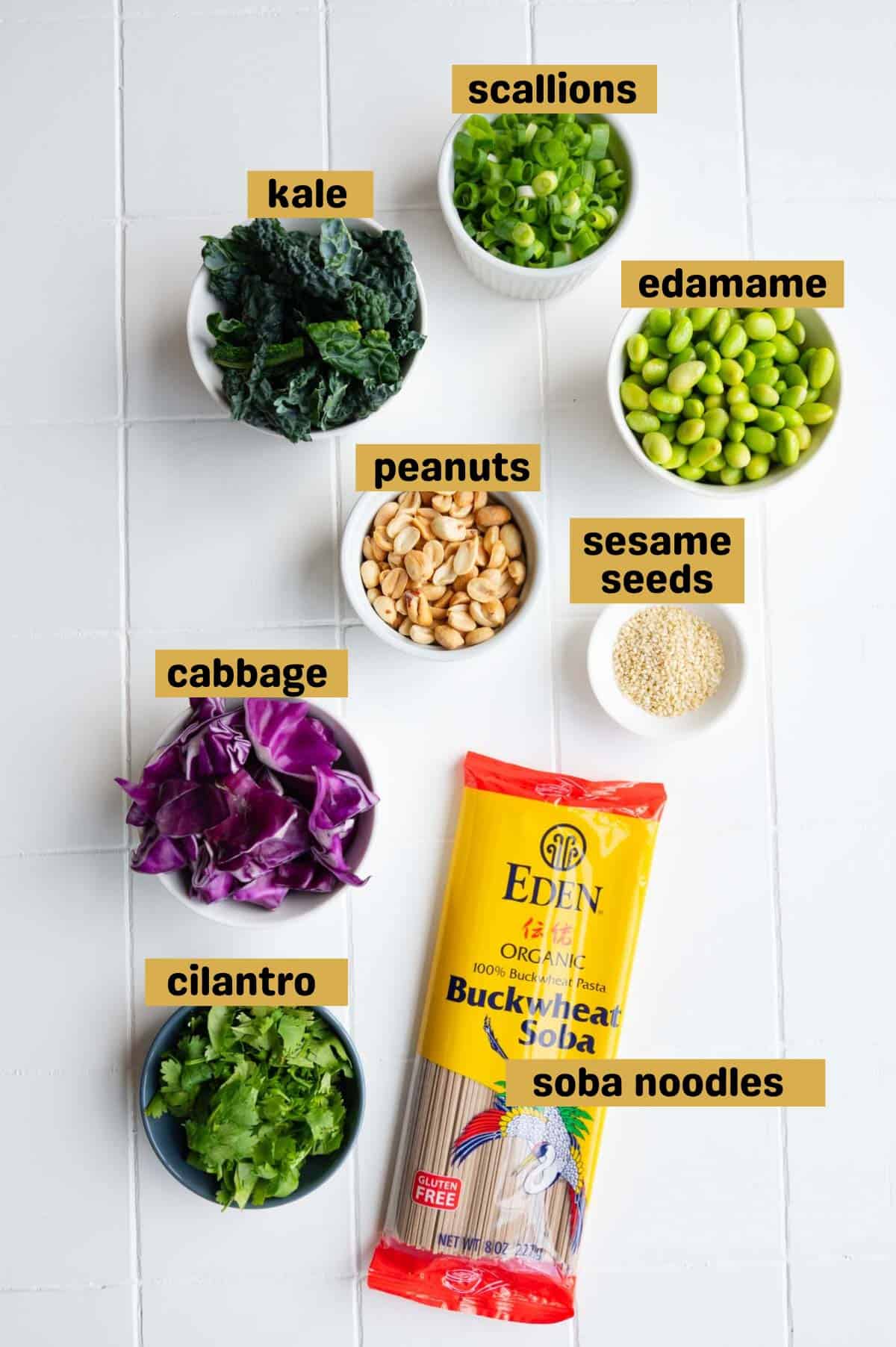
- Sesame seeds contain anti-inflammatory sesamin which may help reduce blood pressure, improve osteoarthritic symptoms, and may lower LDL cholesterol.
- Red cabbage has about eight times more antioxidants than green. Red cabbage's purple color comes from anthocyanins, a type of flavonoid that acts as an antioxidant. This study showed that red cabbage has a life-prolonging effect.
- Peanuts, a legume, are a great source of protein and fiber.
- Soba noodles (optional) are gluten-free and made from buckwheat. Buckwheat is a good source of nutrients, bioactive components, phytochemicals, and antioxidants. Try soba noodles made from 100% buckwheat with no added salt.
- Optional spices (sumac, garlic powder, onion powder, salt-free seasoning)
See the recipe card for quantities.
For the miso sauce:
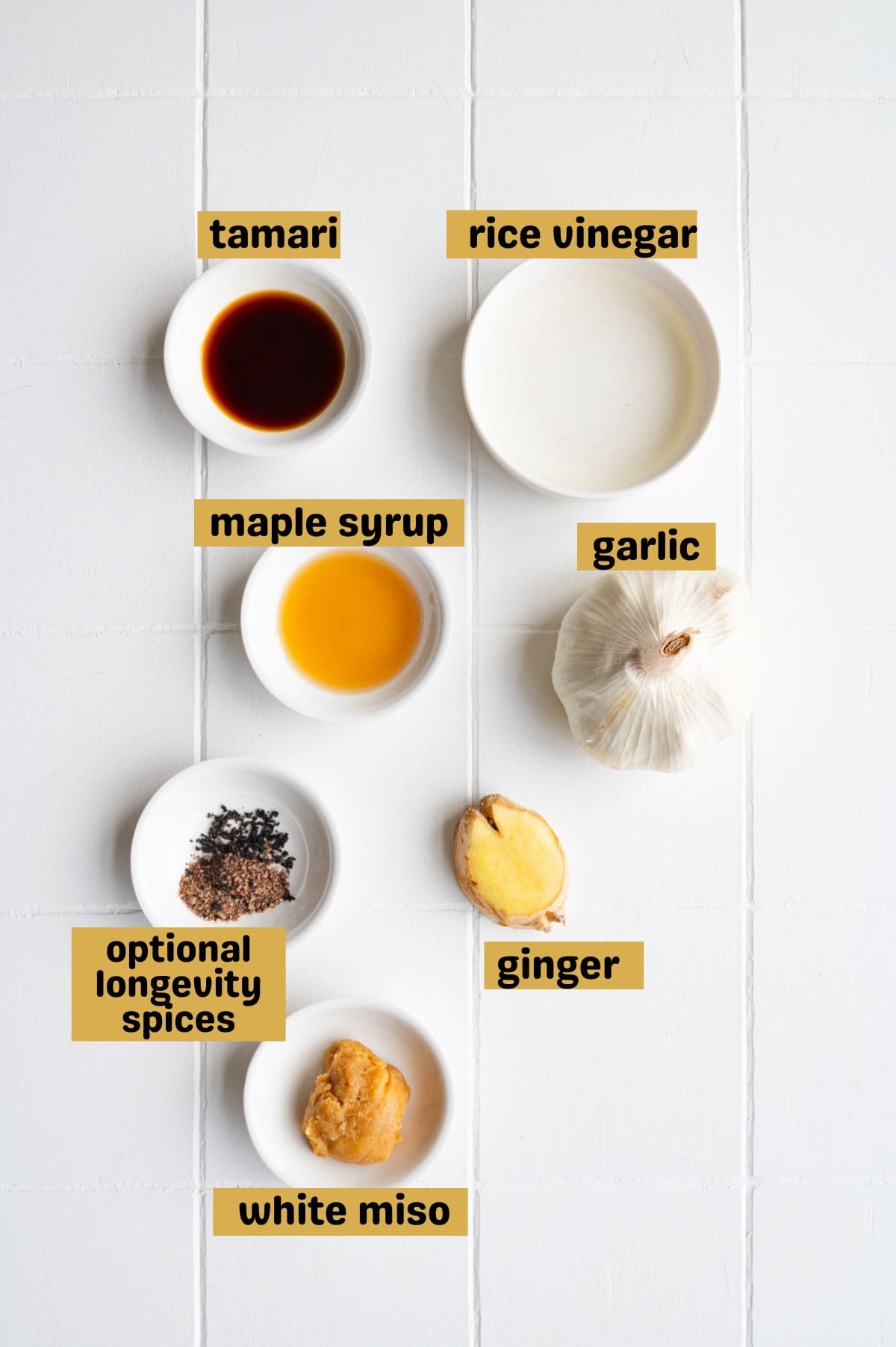
- Mellow or white miso - The evidence that chronic high salt intake can lead to a gradual increase in blood pressure throughout life is clear and consistent. However, salting foods with miso may not have the same detrimental effect. That's why I love this healthy miso dressing packed with umami. I serve this miso sauce at room temperature to maximize its health benefits as a fermented food. (However, we now know from research that good bacteria can still have benefits even when deliberately inactivated by heat! So if you heat the sauce, you will still get some benefits!)
- Optional longevity spices: Long Pepper: Contains the anti-aging compound piperlongumine. Black Cumin Seeds: May improve weight loss, cholesterol, triglycerides, blood pressure, and blood sugar control.
🥑 Substitutions
- Avocado - add avocado to the raw version of this miso bowl for serving
- Edamame - use chickpeas instead as desired
- Spices - onion powder, garlic powder, and sumac, are option but recommended for more depth of flavor
- Cilantro - substitute with fresh mint, basil, parsley, or a mixture of fresh herbs
- Grain - serve with soba noodles, vermicelli noodles, or ¾ cup cooked quinoa, kamut, barley, or farro
- Optional longevity spices - add ¼ teaspoon long pepper and ½ teaspoon ground black cumin seeds to the dressing (longevity goods link)
For more healthy salads, visit my Vegan Salad Recipes page.
🥬 How to Make Raw Miso Bowl
For the full recipe with quantities, scroll down to the bottom for the printable recipe card.
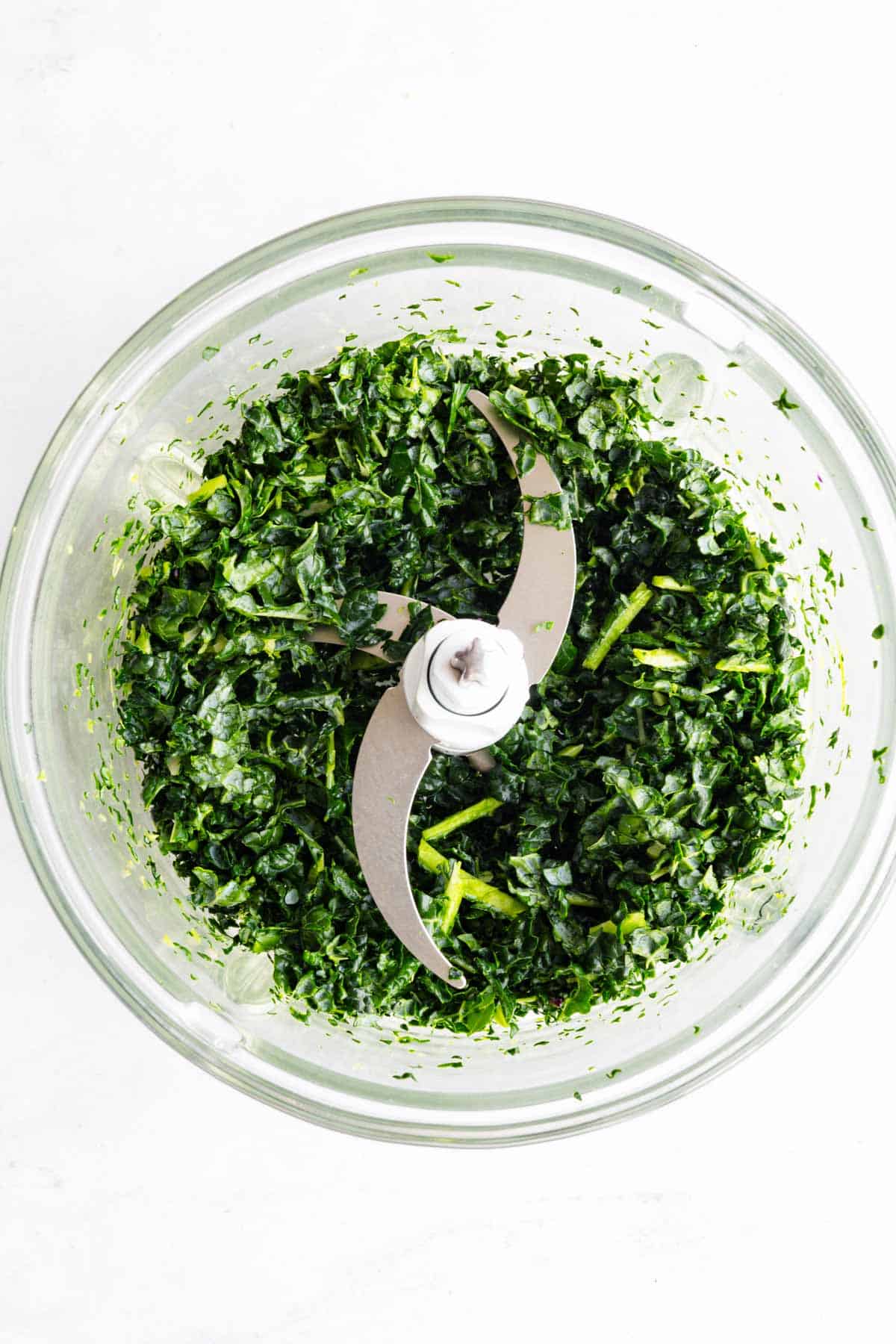
- Chop the kale in a food processor until finely chopped. Transfer to a large bowl.
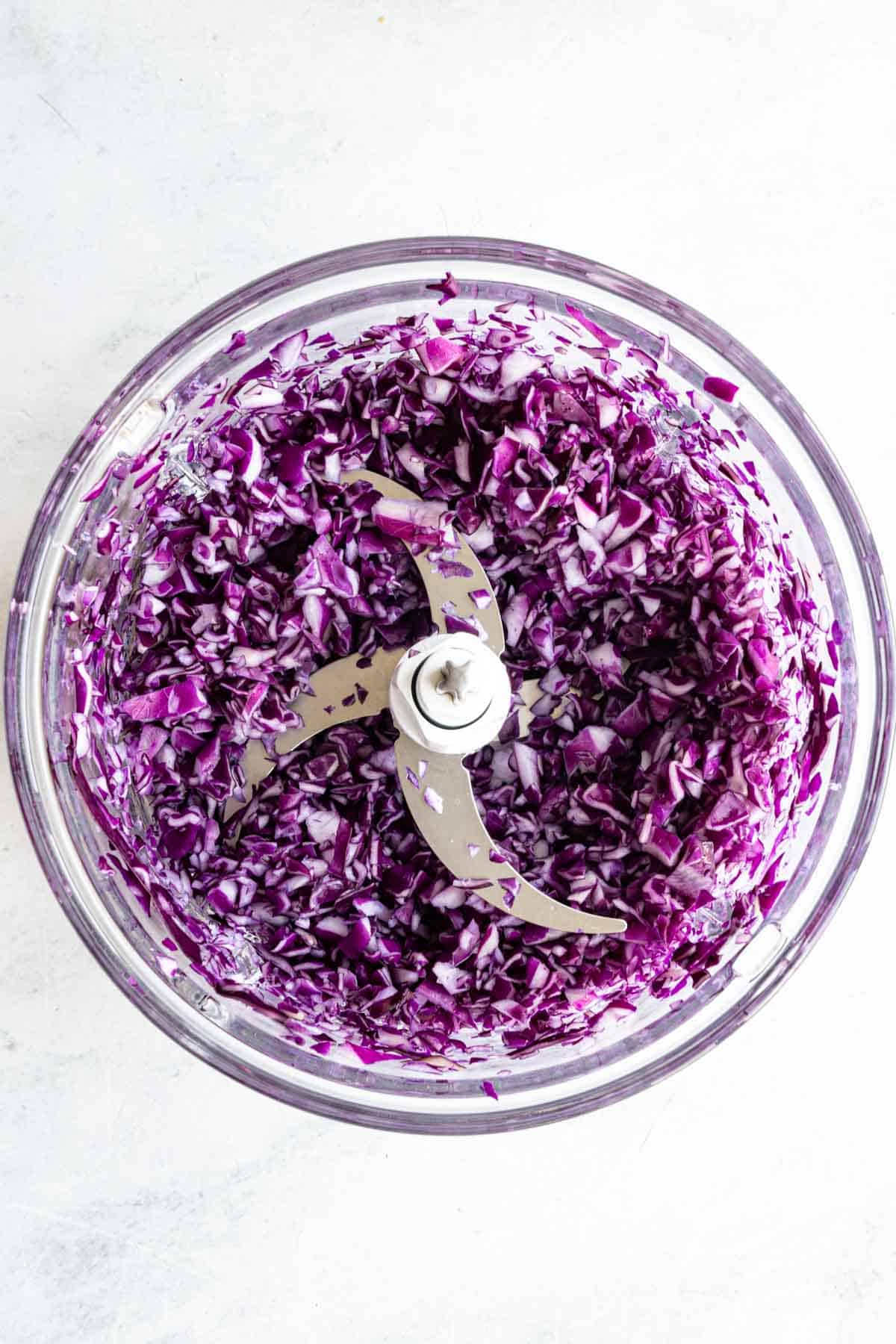
- Chop the cabbage in a food processor until finely chopped. Transfer to the bowl with the kale.
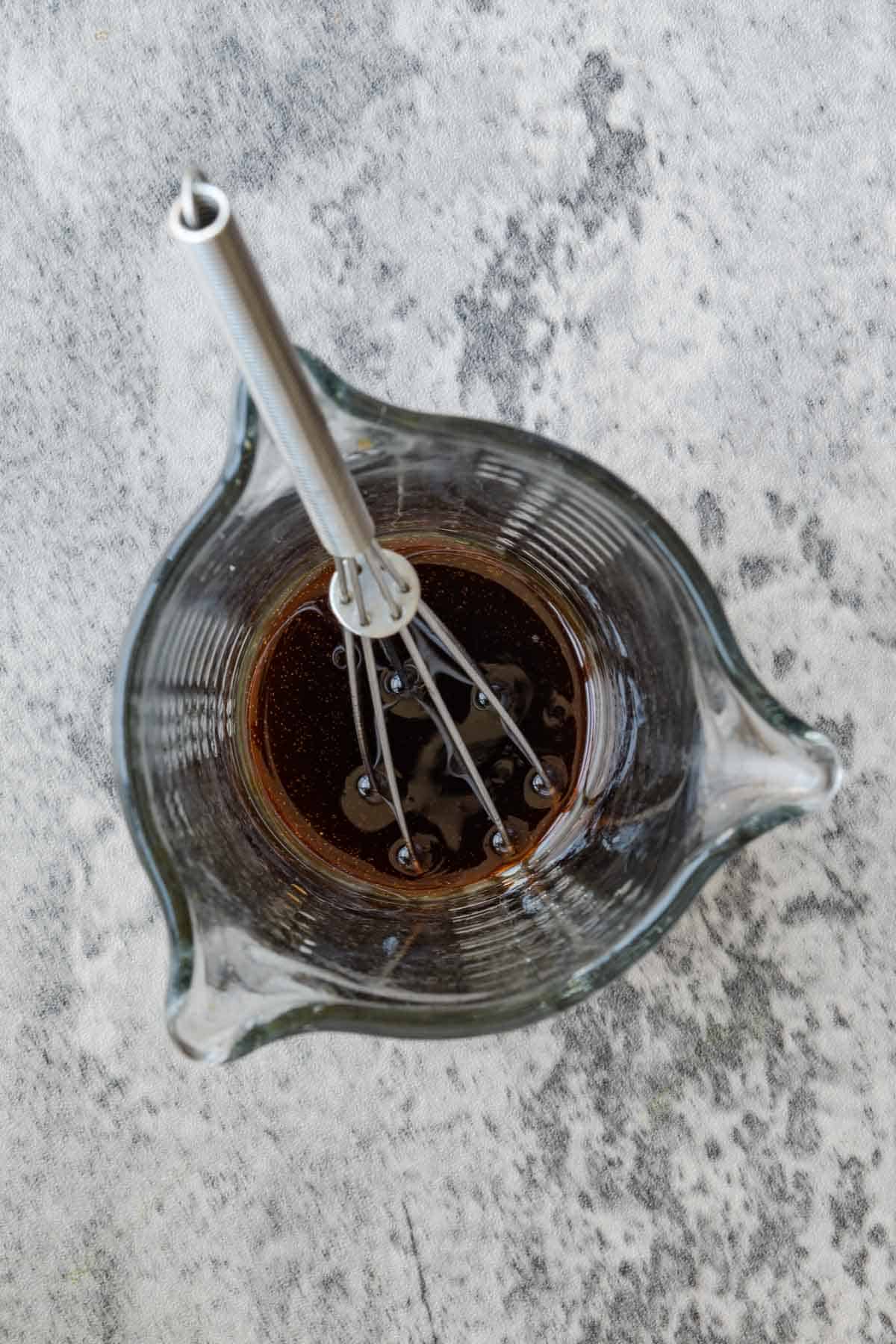
- Make the dressing. Add the miso, tamari, vinegar, garlic, ginger, and maple syrup to a jar with a lid. Cover and shake vigorously. Or whisk.
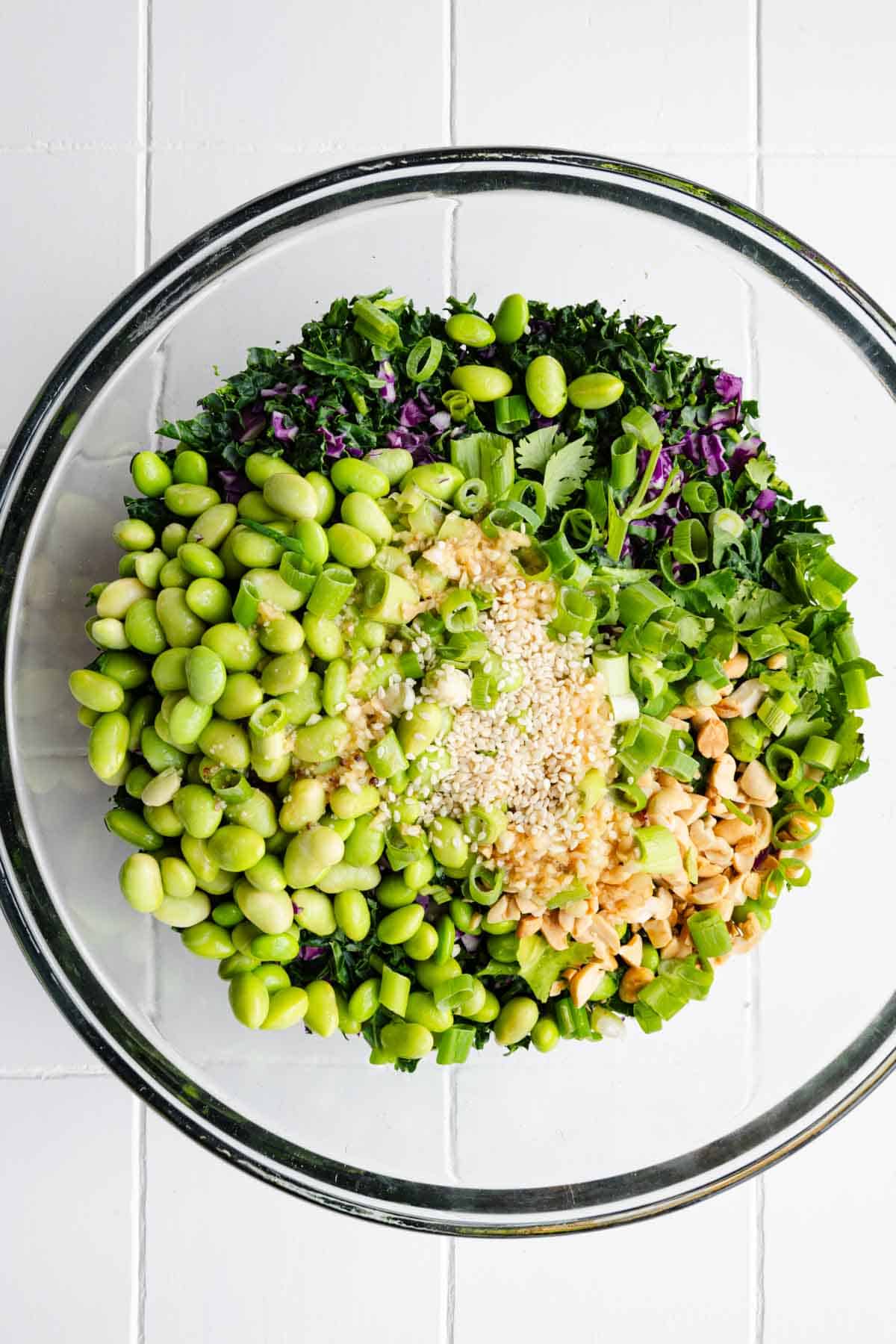
- Mix the salad ingredients with the dressing. Set aside for at least 20 minutes to marinate (optional).
📖 How to Make Cooked Miso Bowl
Follow the recipe for the raw version, but roast the cabbage, kale, and edamame. Cook the noodles or a grain of your choice.
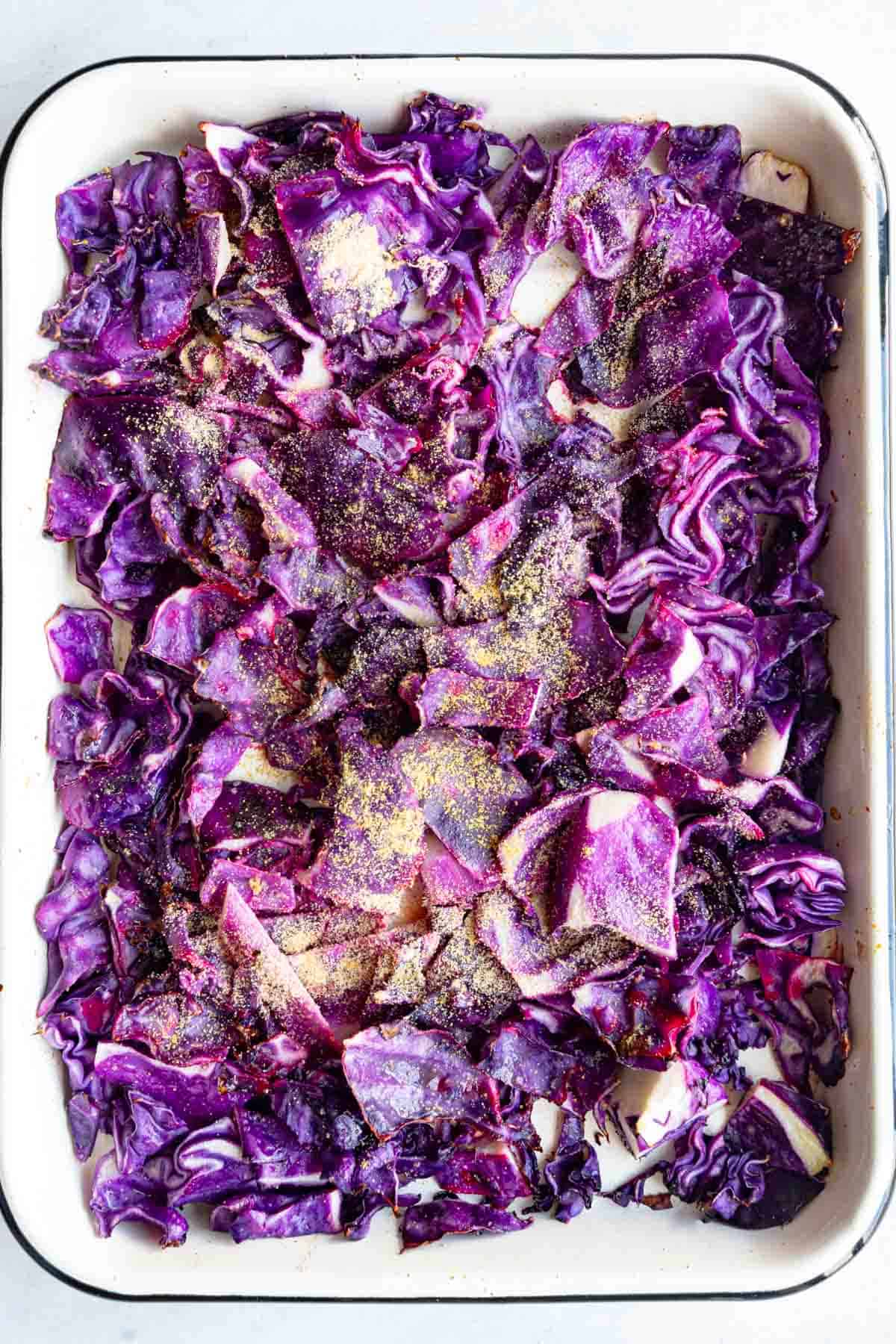
- Bake the cabbage at 380ºF for 10 minutes. Add the mustard powder after baking and toss to coat.
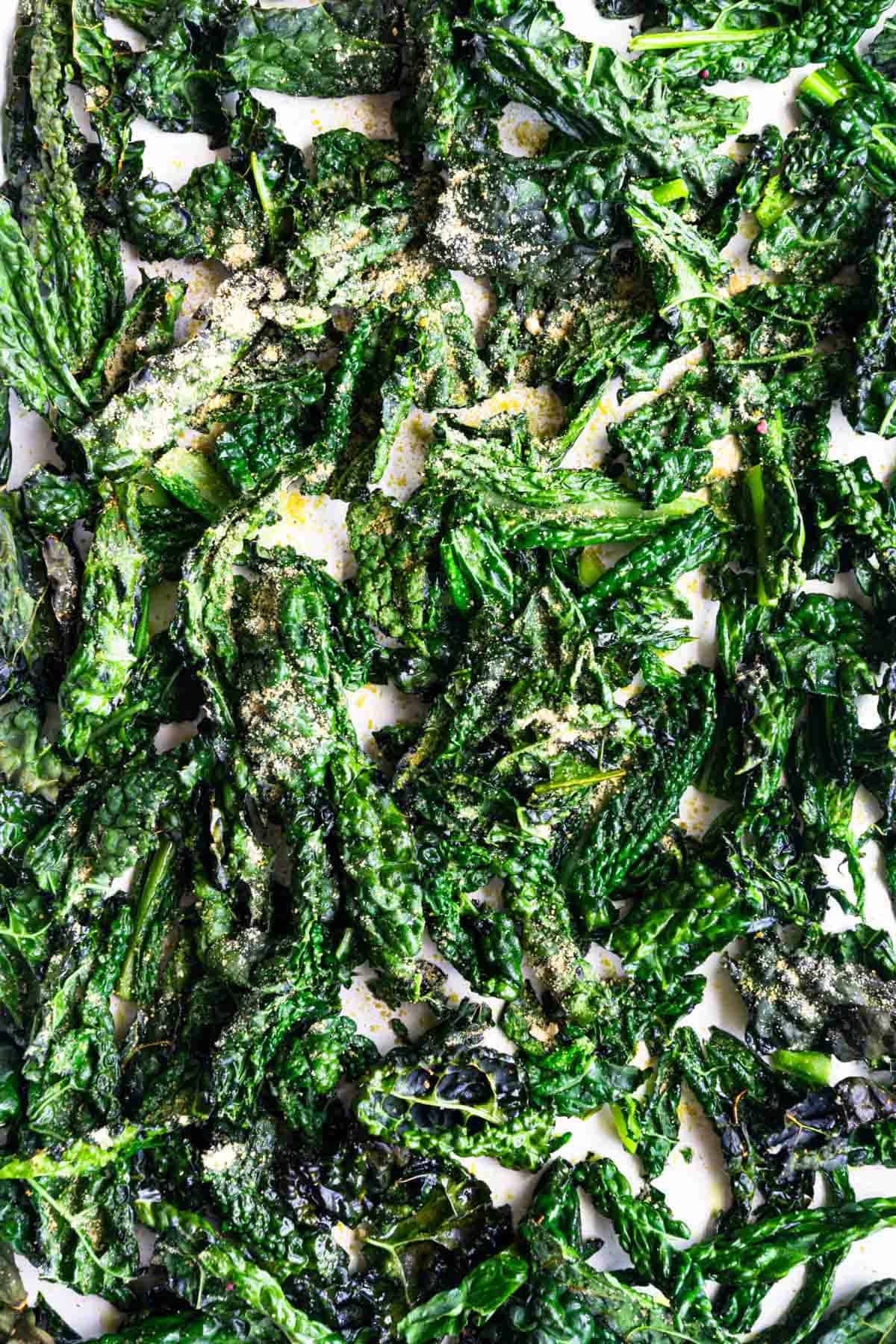
- Bake the kale with the cabbage at 380ºF for 10 minutes. Add the mustard powder after baking and toss to coat.
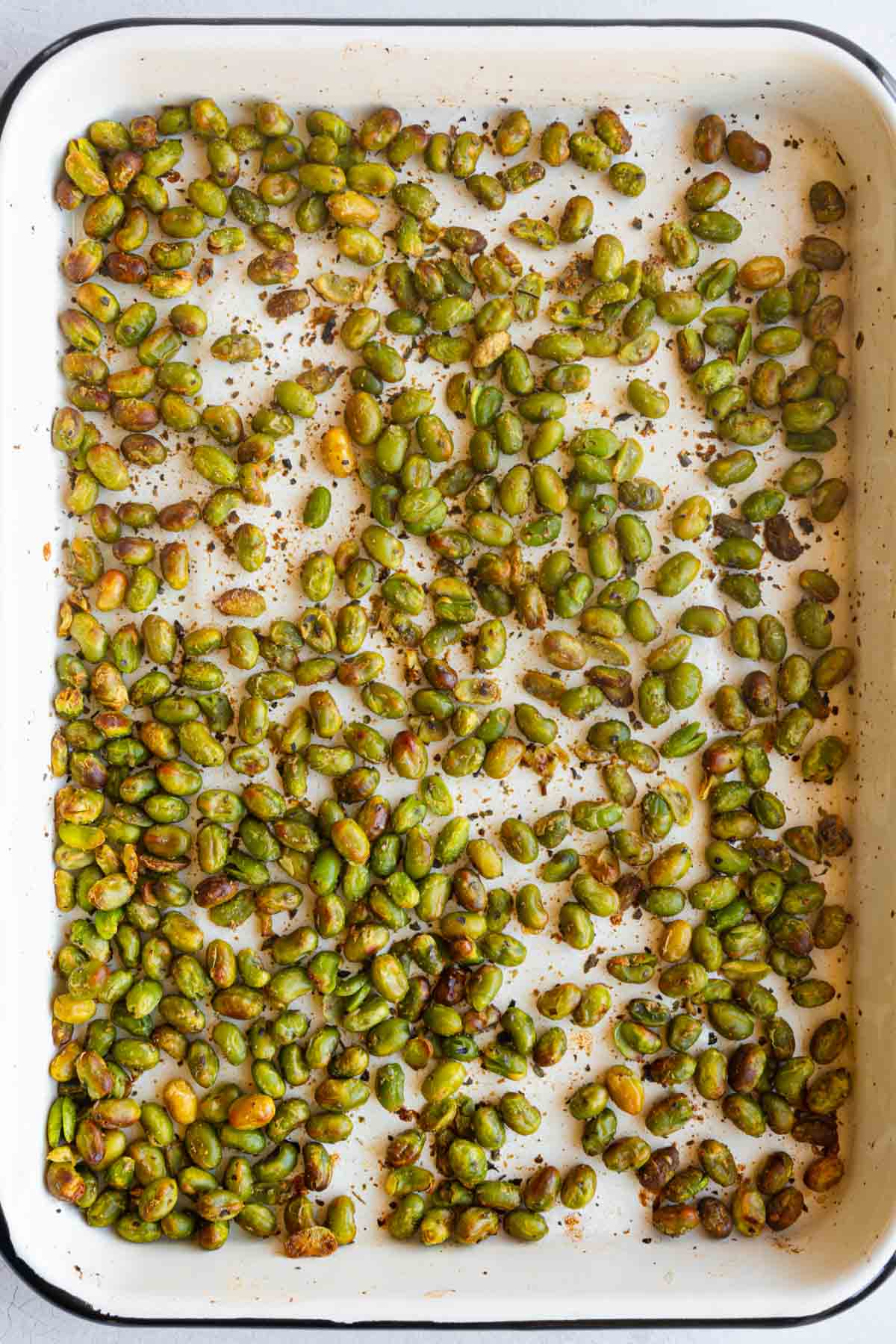
- Roast the edamame: Toss the edamame with a drizzle of olive oil or lemon juice, onion powder, garlic powder, sumac, and salt-free seasoning. Bake with the veggies.
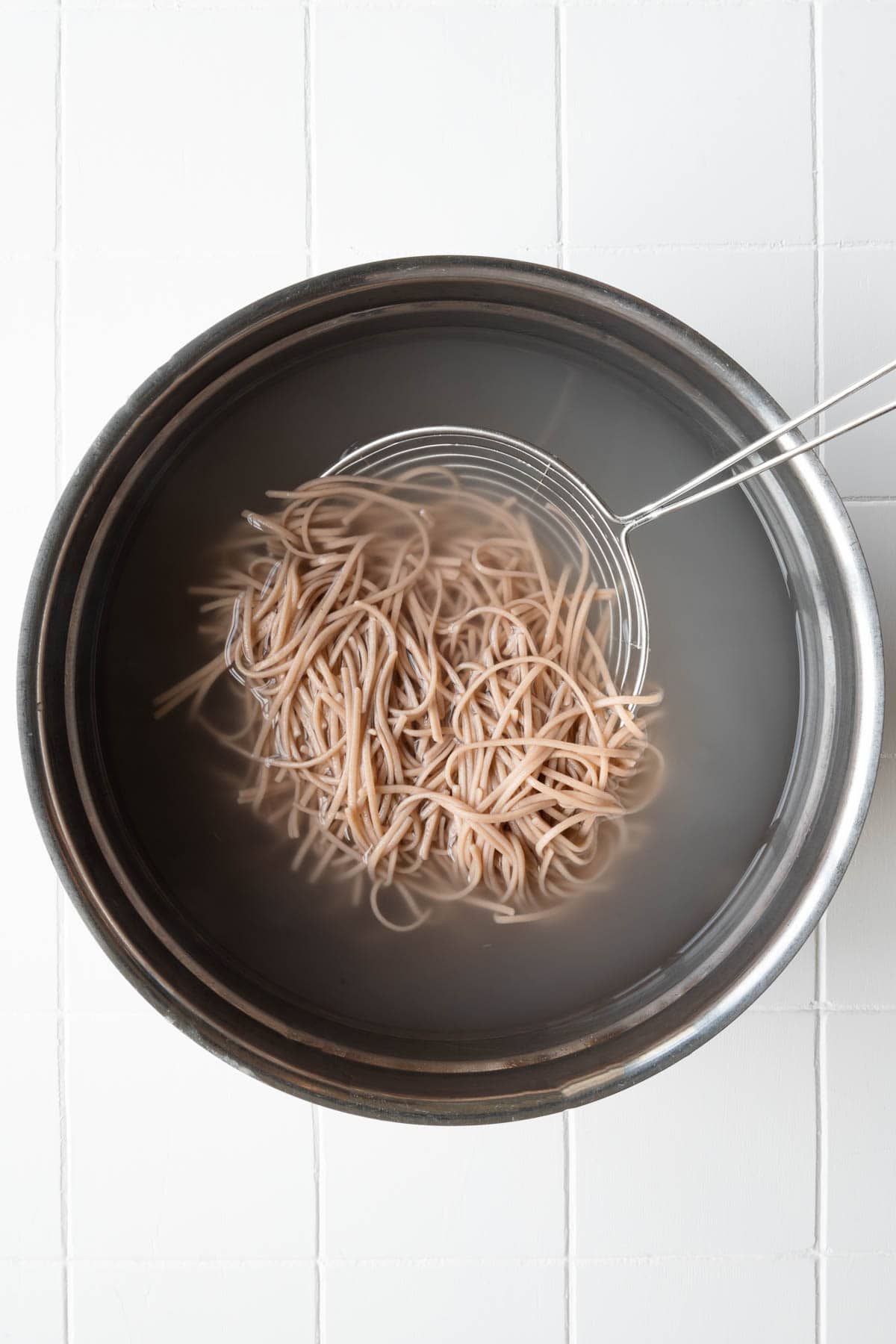
- Cook the soba noodles (if using) according to the directions on the packet until al dente. Use a spider or sieve to transfer the noodles to a large bowl of cold tap water.
- Combine the dressing and salad ingredients. Mix well. Serve with noodles or a grain of your choice.
✔️ Expert Tips
- Marinate the raw salad in the dressing for at least 20 minutes for more flavor. (Optional but recommended.)
- For soba noodles (if using): Cook them for serving. Add them to the salad right before serving or top them with salad. Do not refrigerate the remaining noodles mixed into the salad as they become soggy.
- Alternative grains: Instead of soba, serve the miso salad with vermicelli noodles, or ¾ cup cooked quinoa, kamut, barley, or farro for a complete meal.
- Storage: Refrigerate raw chopped miso salad, or the cooked salad in an airtight container for up to 5 days. Store the grain separately.
🌡️ How to Preserve the Anti-Cancer Properties of Cooked Cruciferous Vegetables
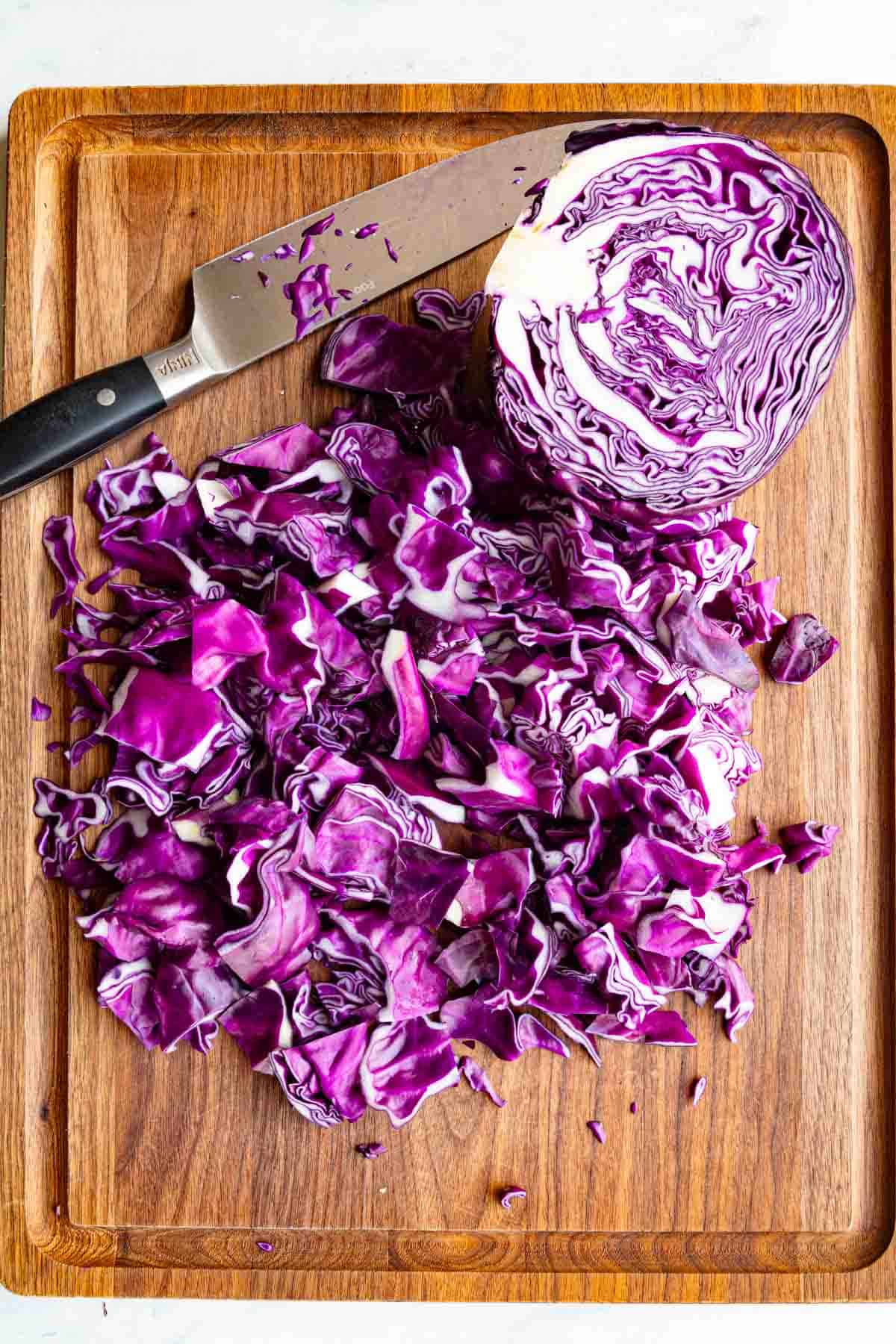
Cruciferous vegetables contain the anti-cancer compound sulforaphane. It is produced by the reaction between glucoraphanin (a glucosinolate) and the enzyme myrosinase. However, this enzyme is destroyed by heat. Adding an active source of myrosinase, such as mustard seed powder, to the cooked cruciferous veggies can increase the release of sulforaphane. Or, you can chop them 40 minutes before cooking, giving the enzyme time to make sulforaphane. (Sulforaphane and glucoraphanin are not heat-sensitive.)
🙋🏽♀️ Recipe FAQs
Red cabbage contains a pigment called anthocyanin that changes color when mixed with an acid or a base. When you sauté or roast red cabbage, the acids evaporate and it can turn blue. Adding lemon juice or vinegar brings back the bright red color but reduces the sulforaphane content, which we do not want to do!
Note: Adding an acid (lemon juice or vinegar) to raw cruciferous vegetables can boost sulforaphane.
Edamame are young soybeans still in their pods. For this recipe, I use frozen shelled edamame to save time. Like other soy foods, including tempeh, tofu, soymilk, and miso, edamame is high in fiber, iron, magnesium, potassium, plant-based protein, and zinc.
Soy appears to lower breast cancer risk, from its anti-estrogenic effect, but can also help reduce menopausal hot-flash symptoms, a pro-estrogenic effect. Moreover, soy protein does not seem to exert extra stress on the kidneys, unlike meat protein.
Soba noodles made from 100% buckwheat require some care when cooking to prevent a mushy mass from forming. Add the noodles to a large saucepan of boiling water and stir them immediately. Simmer them for the time specified on the packet, or until al dente. You will need to stir them frequently to prevent them from sticking and taste one to know when they are done cooking. Prepare a large bowl of cool tap water and transfer the noodles to the bowl, using a spider or sieve, once they are cooked.
🍽️ Related Recipes
🫙 More Dressings
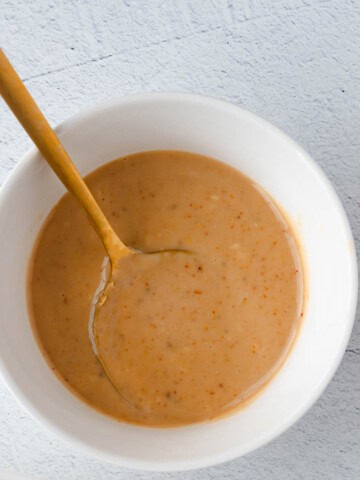
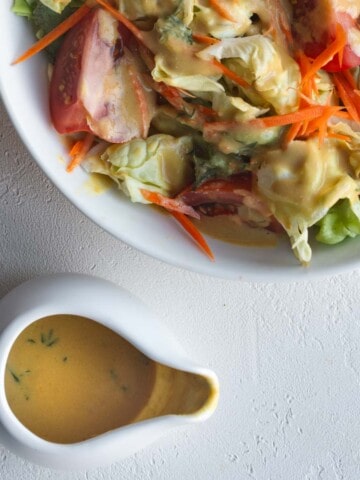
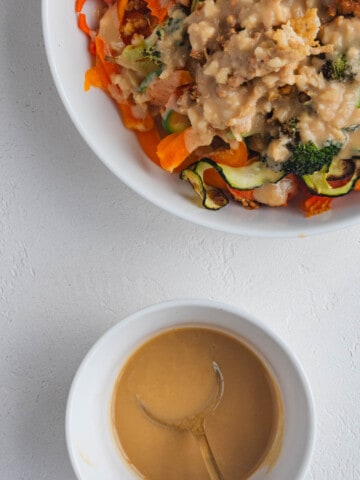
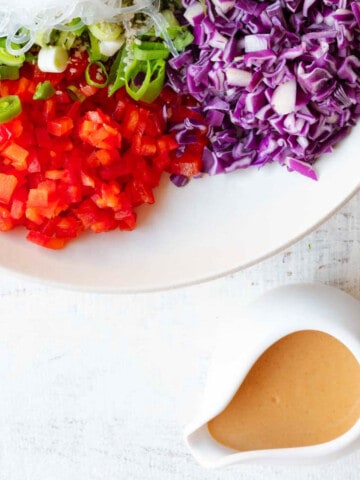
Share your Miso Bowl (Raw or Cooked) with me on Instagram. It makes my day to see you recreate my recipes.
I would love it if you would ⭐️ rate this recipe and leave a comment. Thank you in advance.
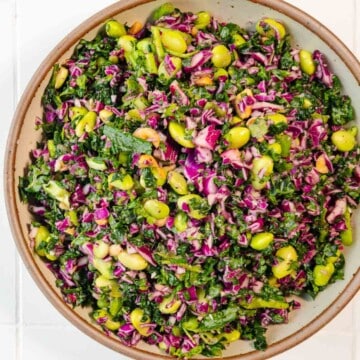
Miso Bowl (High-Protein)
Ingredients
- 1 large bunch kale (about 4 packed cups chopped)
- ½ medium red cabbage (about 4 packed cups chopped)
- 10 ounces shelled frozen edamame
- Drizzle of olive oil or lemon juice
- 1 teaspoon onion powder optional
- 1 teaspoon garlic powder optional
- ¾ teaspoon sumac optional
- ½ teaspoon salt-free seasoning or salt to taste
- 3 scallions thinly sliced (white and light green parts)
- ½ cup chopped cilantro or parsley, mint, or basil
- 1 tablespoon sesame seeds
- ½ cup unsalted peanuts roughly chopped (optional)
For the miso sauce:
- 1 ½ tablespoons white miso or mellow miso
- 1 tablespoon tamari or soy sauce (preferably reduced sodium)
- 3 tablespoons rice vinegar
- 2 cloves garlic minced
- 1 ½ inches ginger minced or grated
- 1 tablespoon maple syrup or date syrup (or to taste)
Optional for serving:
- 8 ounces soba noodles or vermicelli noodles, quinoa, farro, or kamut (see notes)
Save This Recipe!
Type your email & I'll send it to you!
Instructions
For the raw salad:
- Chop: Chop the kale and cabbage in a food processor until finely chopped. Transfer them to a large bowl.
- Combine: Add the edamame, garlic powder, onion powder, sumac, scallions, cilantro, sesame seeds, and peanuts.
For the cooked salad:
- Bake veggies: Chop the cabbage and kale into about 2-inch pieces. Transfer them to a large nonstick baking sheet. Add a drizzle of lemon juice or olive oil, plus salt-free seasoning (or salt) to taste. Roast them at 380ºF for 10 minutes, stirring halfway.
- Roast edamame: Transfer the edamame to a large baking sheet. Toss with a drizzle of olive oil or lemon juice, onion powder, garlic powder, sumac, and salt-free seasoning. Bake with the veggies. Once the veggies are done baking, increase the oven temperature to 400ºF and continue roasting the edamame until golden brown (about 20 minutes total baking time).
For the dressing:
- Combine the miso, tamari, vinegar, garlic, ginger, and maple syrup into a jar with a lid. Cover and shake vigorously. Or whisk the ingredients in a medium bowl.
- Add the desired amount of dressing to the salad. For the raw salad, it is best to let the salad marinate in the dressing for at least 20 minutes before serving.
Optional for serving:
- Serve with a grain. Add the cooked noodles, quinoa, farro, or a grain of your choice.
Notes
- Longevity spices - Add ¼ teaspoon long pepper and ½ teaspoon ground black cumin seeds to the dressing (longevity goods link).
- Marinate the raw miso salad in the dressing for at least 20 minutes for more flavor.
- For soba noodles (if using): Cook them according to the directions on the packet until al dente. Add them to the salad right before serving or top them with salad. Do not refrigerate the remaining noodles mixed into the salad as they become soggy.
- Alternative grains: Instead of soba, serve the salad with vermicelli noodles, or ¾ cup cooked quinoa, kamut, barley, or farro for a complete meal.
- Nutrition facts are for the salad and do not include noodles or grains.
Nutrition
This information is provided as a courtesy and is only an estimate. Nutritional values may vary depending on factors such as product types and brands used.
Heidi says
I tried the raw version of the miso bowl, and loved it! The sauce is the key! It's really delicious.
Nisha Melvani, RDN says
I’m so glad you loved the raw version! And I agree—the sauce brings the whole bowl together. Thank you for trying it and letting me know!
Charlene Ryan says
I did the cooked version because of the parasite going on in the midwest. And this salad was absoluetly delicious even my husband ate it and loved it and that's saying something!! So bright and colorful and so much flavor. Roasting the edemame with seasonings was my favorite. I used quinoa because I already had some cooked in my fridge. Will definitely be making on repeat, thank you Nisha.
Nisha Melvani, RDN says
Thank you for sharing your favorite components of the recipe. So glad you both enjoyed it.
Deanna says
Holy smokes !!!
I made this it's so good I would eat this for the rest of my life.
I made the cooked version of the salad as it's winter here in Australia and I didn't feel like eating cold food for lunch.
The dressing is so beautiful and the overall flavour of the salad is so wonderful.
I served mine with quinoa.
I am not vegan but trying to have more vegetables in my diet.
Nisha Melvani, RDN says
Thank you for your kind comment. I am so thrilled you enjoyed this salad so much.