

Easy High-Fiber Recipes with 8+ grams of fiber per serving and less than 30 minutes to make. Learn how much fiber you need each day, why it matters, and try easy plant-based meals designed for gut health, blood sugar control, and longevity.

Save This Recipe!
Type your email & I'll send it to you!
🕕 Daily Fiber Needs
Most adults should aim for at least 25-38 grams of fiber per day, but higher intakes may provide additional benefits. A helpful goal is to include fiber at every meal.
To reach optimal intake, aim for:
- 8-15 grams per meal
- 5 grams or more per serving
- 30 grams or more per day
These easy high-fiber recipes make it easy to reach that goal.
👩🏽⚕️ Nutritionist's Note
While many vegetables, fruits, and legumes contain fiber, some foods provide much more than others. These are the high-fiber staples I use most often when developing recipes:
- Oats
- Lentils
- Split peas
- Chickpeas
- Beans (black, cannellini, kidney, navy)
- Chia seeds
- Ground flaxseed
- Psyllium
- Whole grains
- Cruciferous vegetables
- Berries
You can also get fiber from foods like apples, pears, raspberries, avocados, popcorn, dark chocolate, pistachios, seeds, and nuts - proof that eating more fiber does not have to be boring. With the right ingredients on hand, it is easy to build meals that are filling, satisfying, and naturally high in fiber.
Jump to:
🍽️ High-Fiber Breakfast Recipes (8g+)
Start the day with fiber-rich foods like oats, chia seeds, flaxseed, beans, berries, psyllium husk, and whole grains. High-fiber breakfasts help slow the rise in blood sugar and keep you full longer.



🍽️ High-Fiber Lunch Recipes (8g+)
Fiber-rich lunches built with beans, salads, whole grains, and cruciferous vegetables to keep you full and energized.



🍽️ High-Fiber Snacks (8g+)
These high-fiber snacks are great to meal prep ahead of time so you always have a quick, grab-and-go way to add more fiber to your day.



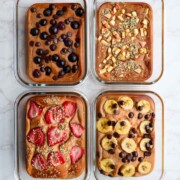

🍽️ High-Fiber Dinners (8g+)
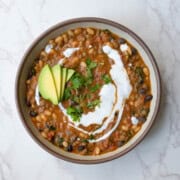
These high-fiber dinner recipes include soups, wraps, chili, and veggie burgers made with beans, lentils, and vegetables to help you finish the day strong.




🌾 Top 20 High-Fiber Foods
These foods are listed in order of fiber per calorie, from highest to lowest.
- Psyllium husk | 1 tablespoon | 8 g | 20 kcal
- Raspberries | 1 cup | 8 g | 64 kcal
- Blackberries | 1 cup | 7.6 g | 62 kcal
- Brussels sprouts, cooked | 1 cup | 6.4 g | 56 kcal
- Cabbage, cooked | 1 cup | 4 g | 35 kcal
- Kale, cooked | 1 cup | 5 g | 43 kcal
- Cauliflower, cooked | 1 cup | 3 g | 29 kcal
- Spinach, cooked | 1 cup | 4 g | 41 kcal
- Broccoli, cooked | 1 cup | 5.1 g | 55 kcal
- Carrots, cooked | 1 cup | 4.7 g | 55 kcal
- Navy beans, cooked | 1 cup | 19 g | 255 kcal
- Chia seeds | 1 tablespoon | 5 g | 70 kcal
- Split peas, cooked | 1 cup | 16.3 g | 231 kcal
- Lentils, cooked | 1 cup | 15.6 g | 230 kcal
- Black beans, cooked | 1 cup | 15 g | 227 kcal
- Green peas, cooked | 1 cup | 8.8 g | 134 kcal
- Kidney beans, cooked | 1 cup | 13.1 g | 225 kcal
- Flaxseed, ground | 1 tablespoon | 3 g | 55 kcal
- Pear | 1 medium | 5.5 g | 101 kcal
- Orange | 1 medium | 3.1 g | 62 kcal
These foods provide the most fiber for the fewest calories and are especially helpful for gut health and blood sugar control.
🌾 Tips to Increase Fiber Without Digestive Issues
Try these tips to make increasing fiber more comfortable:
- Increase gradually
- Drink enough water
- Spread fiber across meals
- Use a variety of fiber sources
Fiber works best when combined with enough fluids and when intake increases gradually.

Comments
No Comments