

Maintaining a healthy diet requires planning to ensure you're getting all the necessary nutrients. "How to Get Iron on a Vegan Diet" highlights the importance of getting enough iron. A well-planned vegan diet can supply all the iron you need. This guide includes high-iron recipes to help you meet your daily needs.

Save This Recipe!
Type your email & I'll send it to you!
The good news is that most women who follow plant-based diets don't seem to have higher rates of iron deficiency anemia. Leafy greens, kidney beans, and other plant foods are excellent sources of non-heme iron. Plus, vegans often get enough vitamin C, which helps improve non-heme iron absorption.
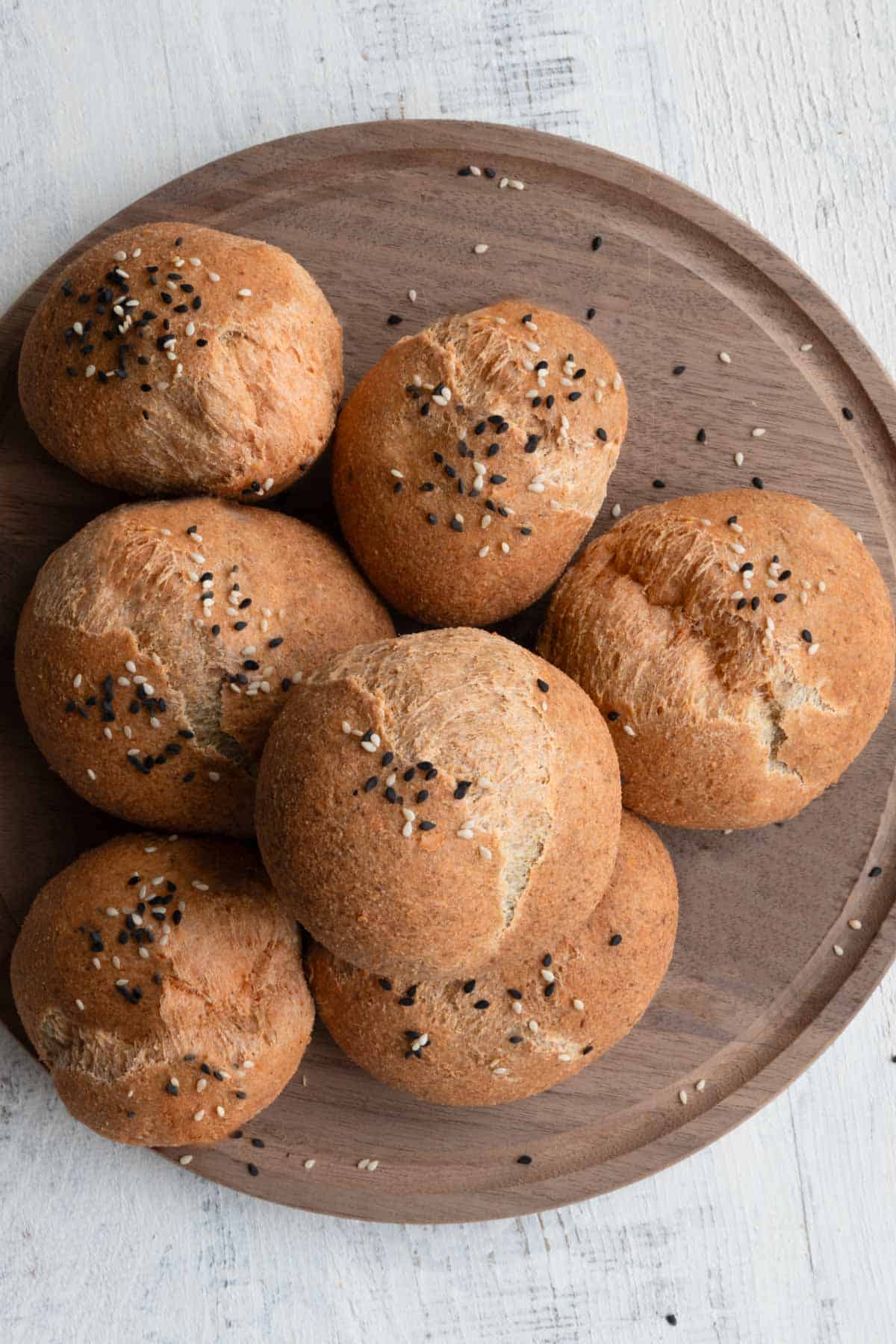
These Lentil Bread Rolls are a great source of iron.
My generation (Gen X) tends to associate iron with spinach and strong muscles because of the cartoon character Popeye. Contrary to popular belief, the original comic strip was not promoting spinach for its high iron content, but for its high vitamin A content! (While spinach does contain a lot of iron, our bodies can't readily absorb it because of the high number of iron-binding polyphenols in spinach.)
Jump to:
🥬 Why Do We Need Iron?
We need iron just like we need oxygen. In fact, without it, our cells don't get sufficient oxygen and we start to feel tired and short of breath. And it's not the kind of tiredness where a cup of coffee will save the day.
Our bodies use iron to make the proteins in our red blood cells that carry oxygen to the lungs, muscles, and all parts of the body. Without enough of this essential mineral, your body won't get enough oxygen.
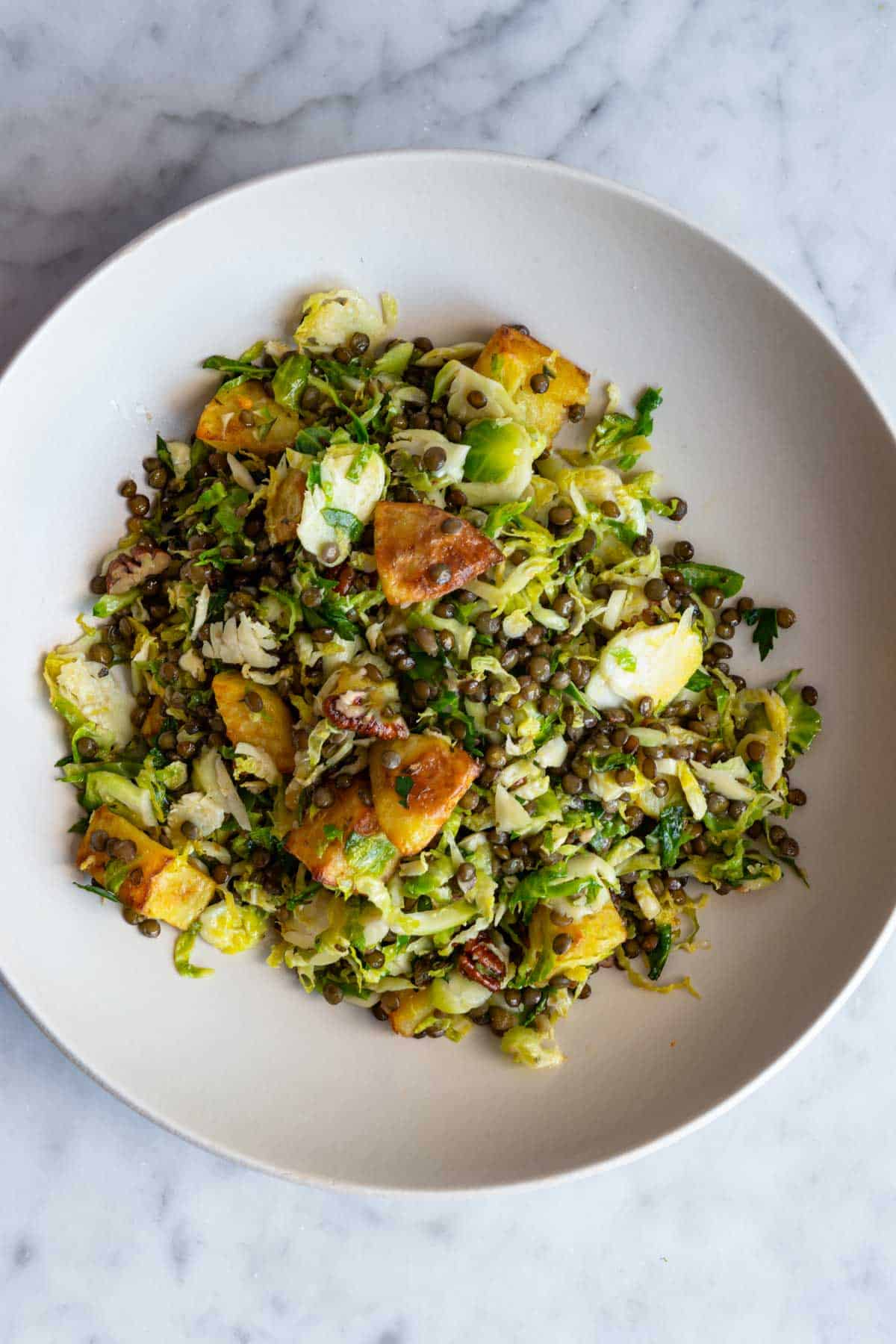
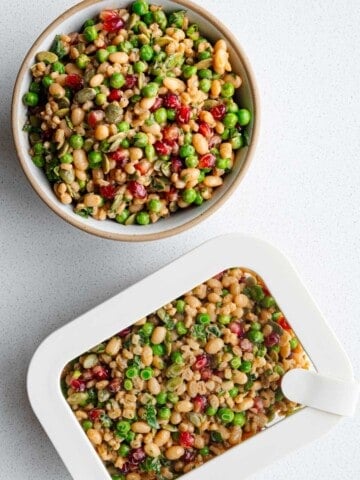
This Warm Brussels Salad with Lentils is iron-rich, a good source of plant-based protein, and gluten-free. Easy to make and delicious to eat.
🤰🏻Who is Most at Risk for Iron Deficiency Anemia?
- Women with heavy menstrual periods
- Pregnant or breastfeeding women, and those who recently gave birth
- People recovering from major surgery or physical trauma
- Individuals with gastrointestinal diseases like celiac disease, ulcerative colitis, or Crohn's disease
- People with peptic ulcer disease
- Those who have had bariatric surgery, especially gastric bypass
- Vegetarians, vegans, and others with diets low in iron-rich foods
- Children who drink more than 16 to 24 ounces of cow's milk daily (cow's milk is low in iron, reduces iron absorption, and can irritate the intestinal lining, causing chronic blood loss)
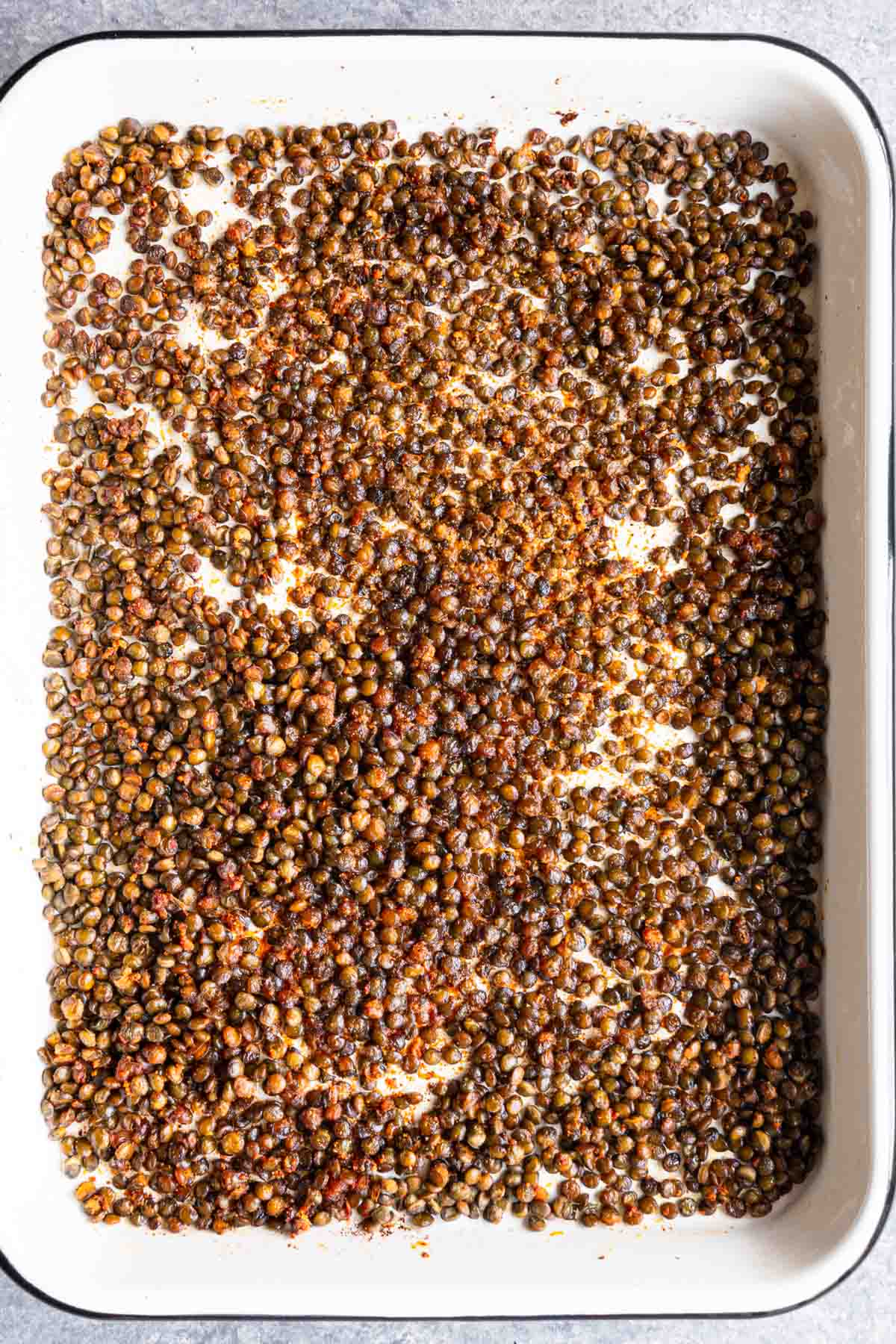
Crispy Roasted Lentils are perfect for boosting iron. Sprinkle as a topping on salads, soups, dips, or pasta!
🪧 What Are the Signs That You're Not Getting Enough?
Mild iron deficiency may go unnoticed, so it's important to get your levels checked routinely. As the body becomes more deficient, the signs and symptoms intensify. These include:
- Extreme fatigue
- Weakness
- Pale skin
- Chest pain, accelerated heartbeat, or shortness of breath
- Headache, dizziness, or lightheadedness
- Cold hands and feet
- Inflammation or soreness of your tongue
- Brittle nails
If it gets severe enough, you may even start to crave non-food substances, such as ice, or dirt.
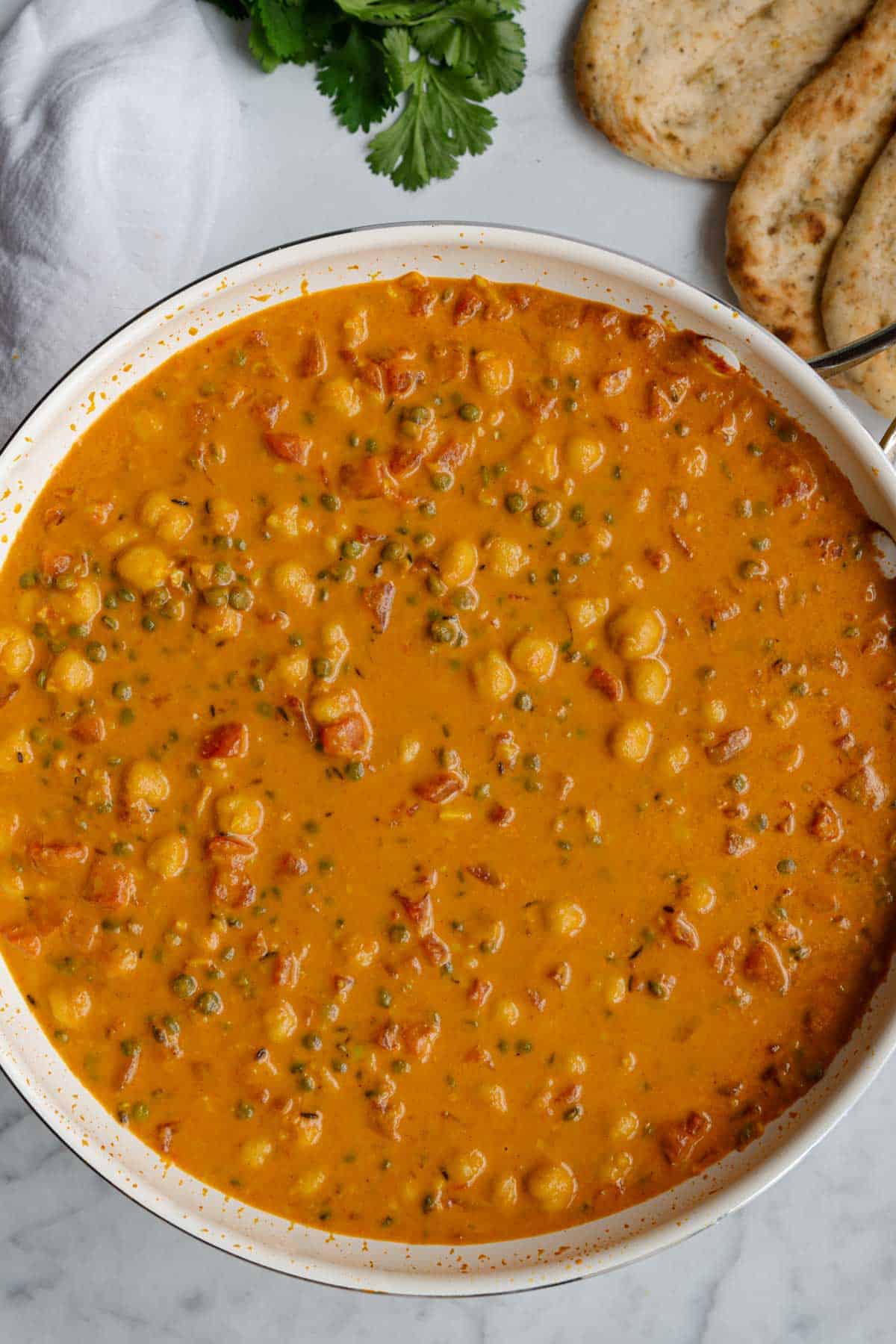
Chickpea Lentil Curry packed with iron. A nutritious and delicious dinner.
💪🏼 How Can We Ensure That We Are Getting Enough?
Dietary Requirements for Iron:
- Men and postmenopausal women - 8 mg/day
- Premenopausal women - 18 mg/day
- Pregnant women - 27 mg/day
- Lactating women 9 mg/day
A healthy diet is key to getting the iron you need. An abundance of iron-rich plant-based foods are widely available. You need to know what they are and eat enough of them. You can incorporate a few tricks to make sure you get the biggest bang for your buck when you consume these foods.
The food myth that you need to eat plenty of red meat to get enough iron is not only not true, but also harmful to those who act on it. While red meat is a good source, it contains heme iron, which intrudes into your body whether you are deficient in it or not. Why is this a problem? Because too much iron produces free radicals which can promote cancer and speed up aging, as well as increase the risk of heart disease. And plenty of Americans are getting plenty of iron. Too much, in fact.
Plant-based sources of iron behave differently. Plants provide non-heme iron which is more absorbable when your body is low in this nutrient, and less absorbable when you have enough. So, there's less risk of overconsumption.
We used to believe that heme iron came only from animal products and non-heme iron solely from plants. However, that's not true. For instance, the plant-based Impossible Burger contains heme iron from soybeans. Likewise, non-heme iron can be present in meat if the animal eats plants rich in non-heme iron.
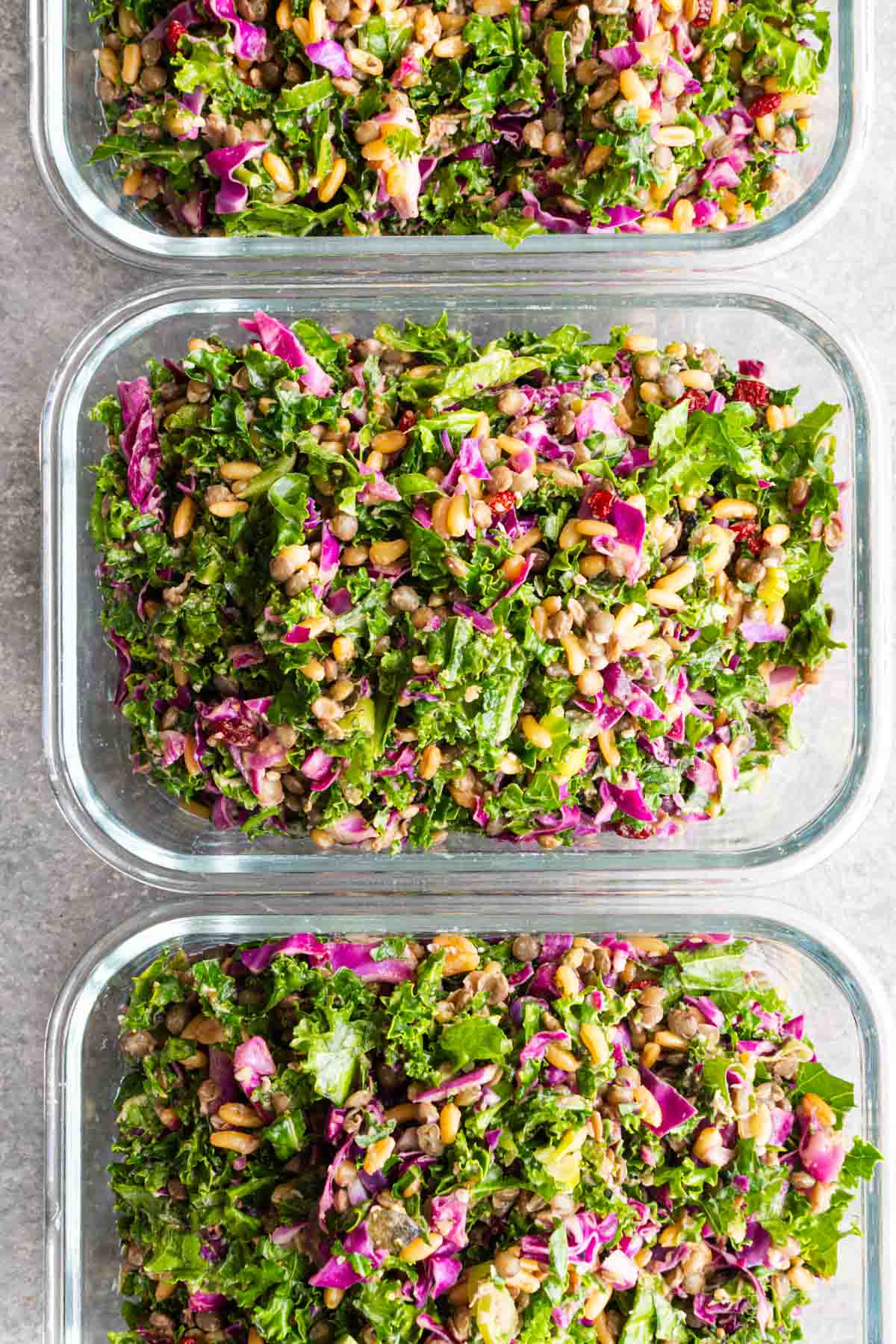
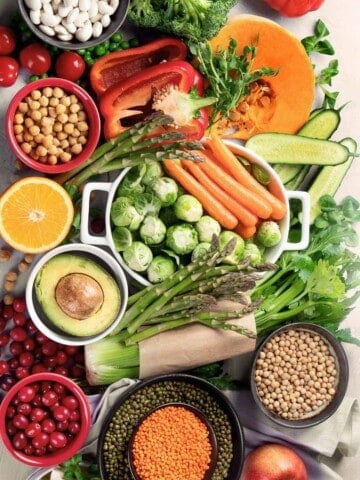
Your weekly insurance for getting enough iron, protein, heart-healthy fats, antioxidants, and essential nutrients!
🌾 Which Plant-Based Foods Are Highest in Iron?
My favorite iron-rich food is lentils. They're my go-to for packing more protein into a dish, with the added benefit of being a great source of iron. One cup of cooked lentils provides 30 percent of your daily requirement. Plus, they're quick cooking and versatile, which makes them easy to use.
Lentils are also pantry-friendly. If stored in a cool dry place, they have a minimum shelf life of one year. I always have some in my pantry for weeknights when I'm in a rush to get dinner on the table. (Full disclosure: I don't have a pantry. I live in a NYC apartment with no space for a pantry. But I do have a spice rack!)
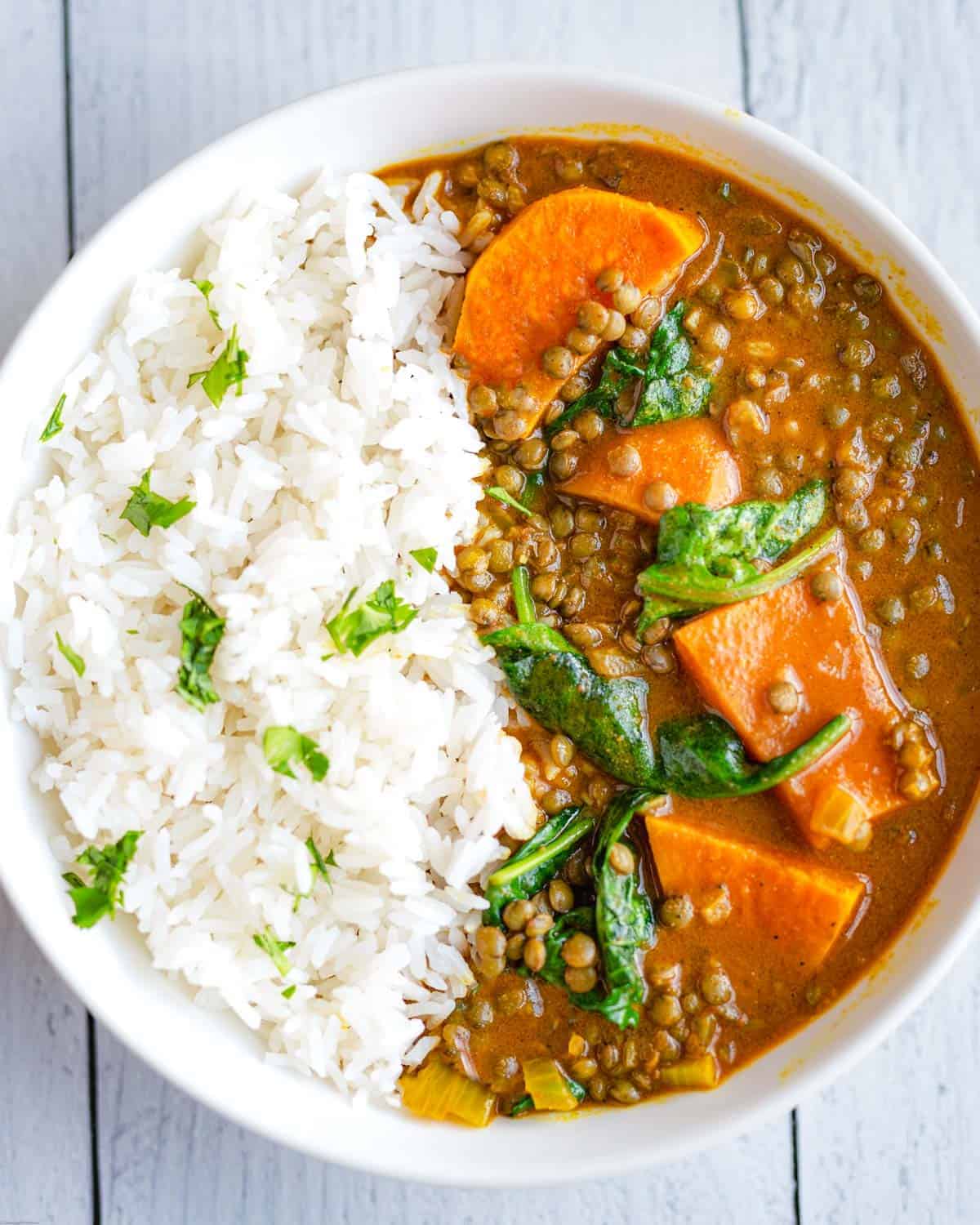
15-Minute Lentil Veggie Curry is an easy, iron-loaded meal for when in a time crunch to get dinner on the table.
📋 List of High-Iron Foods:
Legumes
- Dried or canned peas and beans (soybeans; white, lima, red kidney, and navy beans; chickpeas; and black-eyed peas)
- Lentils
- Tofu
- Tempeh (fermented soybeans)
Grains
- Whole grains
- Rye bread
- Whole wheat bread
- Cornmeal
- White bread (enriched)
- Pasta (enriched)
- Rice (enriched)
- Breakfast cereals (enriched)
- Cream of Wheat
Dried Fruit
- Figs
- Dates
- Raisins
- Prunes
Vegetables
- Broccoli
- Green beans
- Dark leafy greens (dandelion, collard, kale, spinach)
- Potatoes
- Cabbage
- Brussels sprouts
- Oyster mushrooms
- White mushrooms
- Tomato paste
Nuts & Seeds
- Pistachios
- Pumpkin seeds
- Sesame seeds
- Flax seeds
- Almonds
- Cashews
- Pine nuts
- Macadamia nuts
- Hemp seeds
- Blackstrap Molasses, a health-promoting caloric sweetener, contains 3.6 milligrams of iron per 1 tablespoon (20% of the daily recommendation).
Read nutrition labels on packaged foods for iron content to help meet your daily requirements.
Note: Iron supplements are not typically recommended as insurance for meeting your daily requirements. The body does not excrete iron quickly enough to prevent it from building up over time to toxic levels. Iron supplements have been shown to increase oxidative stress. Those diagnosed with iron deficiency should talk with their doctors about first trying to treat it with diet.
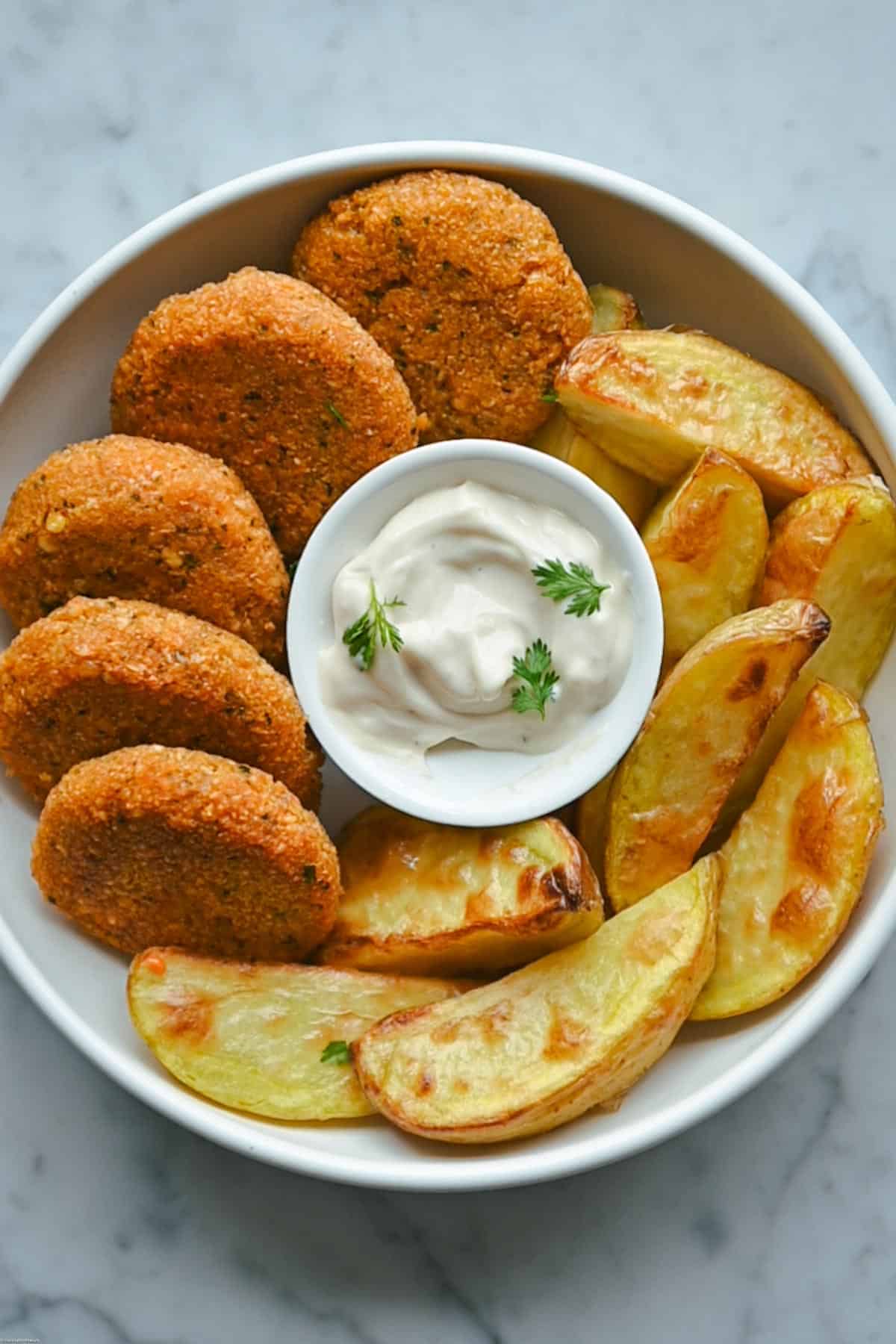
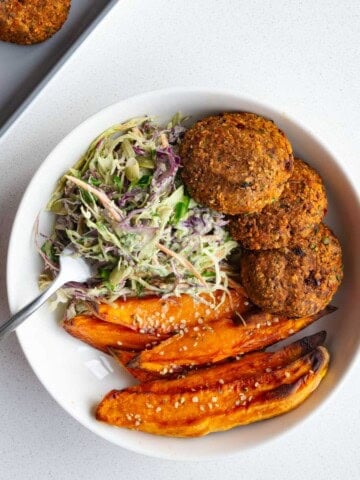
Make these iron-rich, pantry-friendly Easy 6-Ingredient Lentil Burgers for dinner.
💡 Tips For Increasing Absorption
1. Consume vitamin C with iron-rich foods
Vitamin C significantly boosts the absorption of non-heme iron, the type found in plant-based foods. Pair iron-rich foods with foods that are high in vitamin C. These include red and green bell peppers, broccoli, brussels sprouts, cauliflower, cabbage, potatoes, kiwi, strawberries, cantaloupe, oranges, grapefruit, and tomato juice.
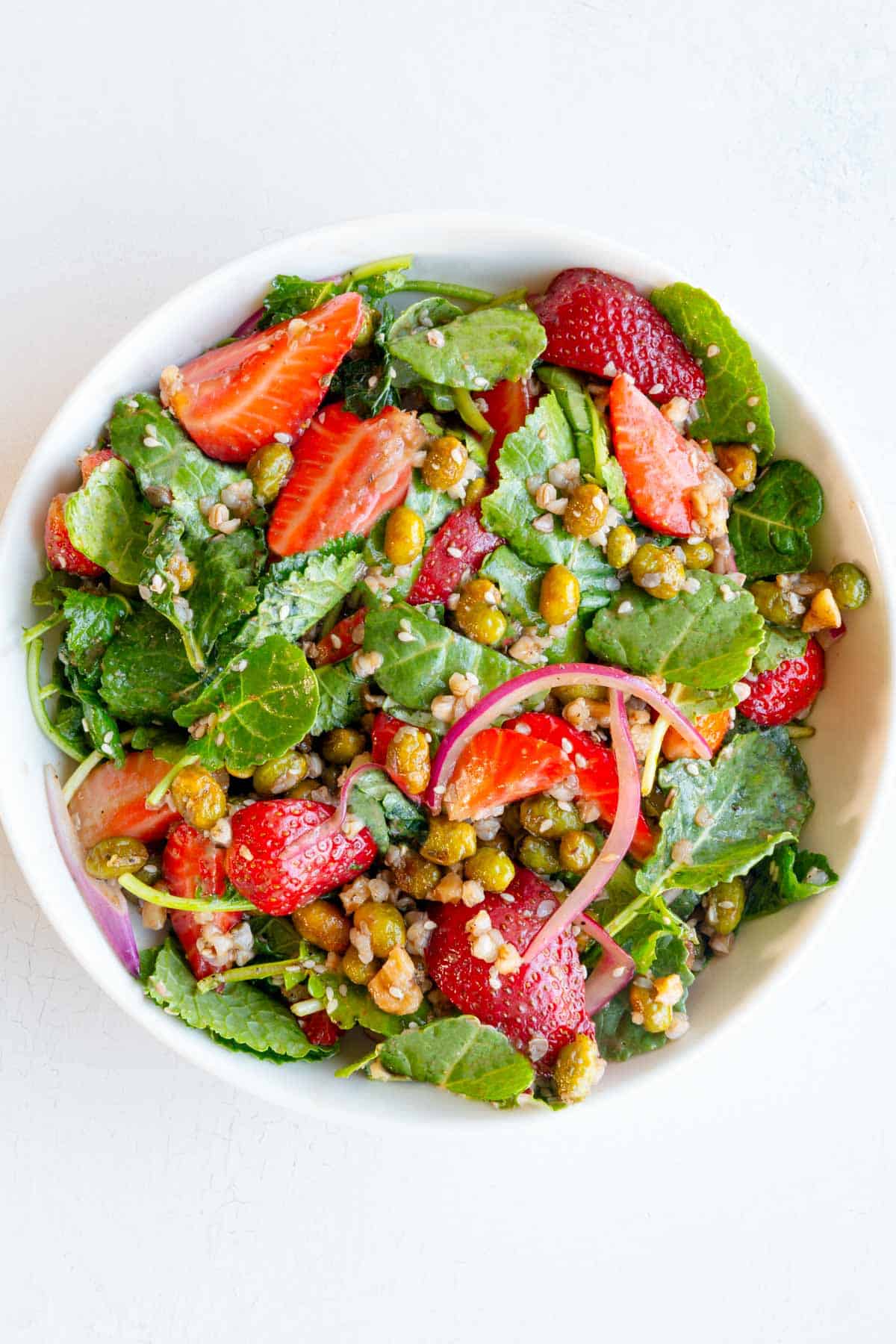
Quick, easy, and unbelievably healthy! This flavorful Strawberry Kale Salad is packed with plant-based protein and made with ingredients that are shown to help reverse aging.
2. Consume onions or garlic with iron-rich foods
Adding garlic and onion helps improve the iron status of those consuming iron‐rich leafy vegetables. Although the incorporation of spices increased anti‐nutritional factors' contents, reducing the total iron contents, there was a net improvement in iron bioaccessibility.
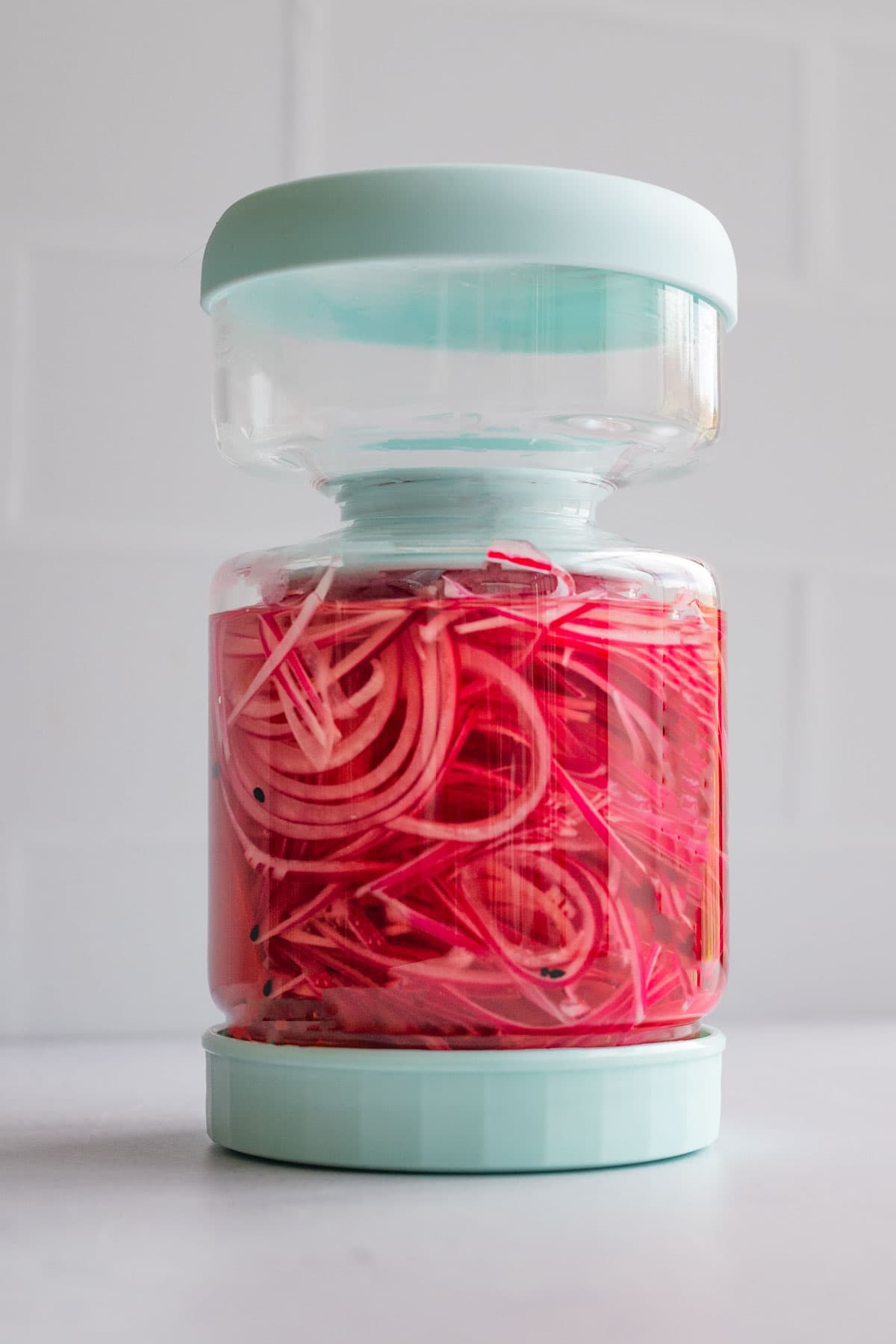
This No-Cook Pickled Onions Without Sugar recipe is made with spices high in antioxidants and other healthful nutrients that may promote longevity.
For those vulnerable to iron deficiency:
1. Avoid eating calcium-rich foods with iron-rich foods
Limit the amount of calcium you consume with foods rich in iron. Calcium can block iron absorption.
Calcium-Rich Foods:
- Fortified non-dairy milk, cheese, and yogurt (not all are fortified so remember to check the nutrition label)
- Calcium-set tofu
- Some types of seaweed
- Fortified cereals and flours
- Tahini
Read nutrition labels on packaged foods for calcium content.
2. Avoid drinking tea or coffee with iron-rich foods
Limit the amount of tea or coffee you consume with foods rich in iron. Tannins in tea can block iron absorption by binding with iron, specifically non-heme iron found mainly in plant food.
3. Use a cast-iron skillet
Cooking in cast iron releases iron into your food. This is especially true for foods with more moisture or acidity and those with a longer cooking time.
While you should not depend on cast-iron cookware to meet your nutritional needs, it will boost your intake.
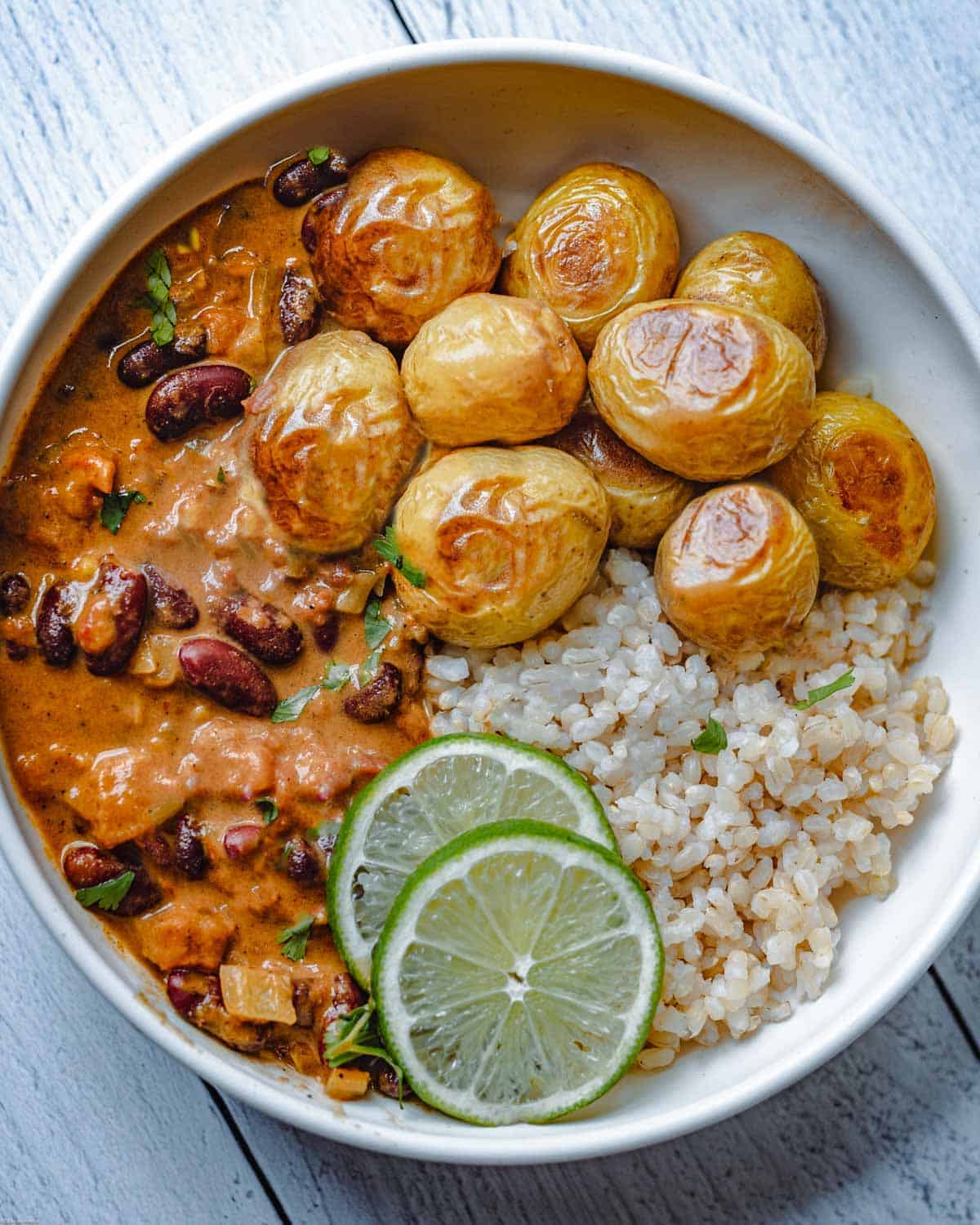
Make this iron-rich Bean Curry served with roasted potatoes, brown rice, lime slices, and chopped cilantro.
👩🏽🍳 Made These Recipes?
Leave a review, and share your vegan high-iron recipe creations with me on Instagram. It makes my day to see you recreate my dishes.
I put a lot of time into writing these nutrition-related posts. If you found this article helpful, I would love it if you would ⭐️ leave a comment. Thank you in advance.

Doreen Leach-Ciesielski says
Very informative, I often wonder if I’m getting enough iron.
Looking forward to sampling these recipes.
Thank you for what you do!
Nisha Melvani, RDN says
Ask your healthcare professional about a CBC, ferritin, and an iron panel to check for iron deficiency and anemia. Thank you for your kind comment. Hope you enjoy the recipes.
Patricia Besserve says
Thank you so much for this article. It really helps to better understand how to better get iron through foods.
How long after an iron rich meal can I have a high calcium food like yogurt or tea/coffee?
Thank you!
Nisha Melvani, RDN says
At least 1 hour
Niloufer says
This was very informative. Txs Nisha. Didn't realize so many foods have iron & symptoms of iron deficiency. The bean curry with roast potatoes looks yummy!
I always wonder when we cook vegetables like broccoli...do we loose nutrients by cooking for a long time..my hubby likes veggies really soft..
Nisha Melvani, RDN says
Thank you for reading my article! It is better not to overcook veggies, or you can even use a microwave which actually preserves nutrients!
Laura Sofia says
Thank you for the valuable information. And the recipes look delicious. I will make some of them.
Nisha Melvani, RDN says
I'm so glad you enjoyed this article.
Bill says
Looks like fantastic healthy meals. I need to adjust just a little for type 2.
Nisha Melvani, RDN says
Thank you for taking the time to read it.
Lizza Jones says
You have helped me so much with nutrient meals and recipes. I am Pre diabetic and Iron deficiency anemic. Your food advice has helped me so much with knowing how to grocery shop for the healthy items needed. I thank you so much for everything ❤️
Nisha Melvani, RDN says
Thank you for leaving a comment and sharing your experience. It keeps me. motived to keep on working hard. I am so happy my recipes are helping you.
Vish says
Well infomative, most of women are iron deficient
Nisha Melvani, RDN says
Thank you for reading it!
Emma says
Love this article! Really interesting and so helpful. We are largely vegetarian (occasional piece of fish) with lots of vegan meals. Comments haven’t always been positive about our choice to raise our little boy this way (he’s 3.5) and I always worry about iron. Thank YOU for writing this.
Nisha Melvani, RDN says
I'm so glad it was helpful. Have a great week!
Laura says
Thank you for this!! I have been anemic my entire life and in midlife have struggled with severe anemia even though I make a concerted effort to get enough each day. I’ve been wondering what I have been eating that might inhibit absorption. Will try your tips. And by the way, the recipes in this article look DELICIOUS!! Can’t wait to try them. Many thanks!
Nisha Melvani, RDN says
Thank you for taking the time to read it and comment. I'm so glad it is useful.
Neena Chandiramani says
Fabulous tips - so helpful ❤️
Star says
Can you explain the iron supplement statement? I've always used it as a occasional thing when I haven't been eating balanced meals. Is it dangerous?
Nisha Melvani says
Hi. You should consult with a doctor to determine if you need an iron supplement or not. Iron supplements can build up over time to toxic levels and cause oxidative stress.
Didi says
We only absorb up to 5% of the iron from supplements. It’s best to try and get it from food as apposed to supplements and if you’re deficient consider iron infusions as they’re 100% absorbed through your blood stream.
Laura Mullen says
How to get iron infusions?