
Makes store-bought bread hard to go back to!
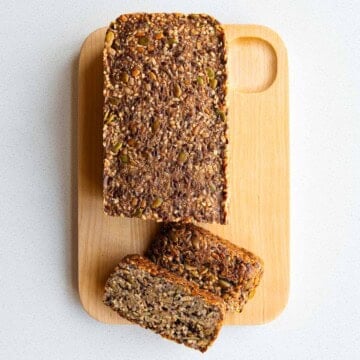
This hearty sliceable Gluten-Free No-Yeast Porridge Bread is packed with flax seeds, pumpkin seeds, and sunflower seeds for a satisfying, fiber-rich loaf with a deliciously chewy texture. Unlike traditional homemade bread, there's no yeast or kneading required.

Save This Recipe!
Type your email & I'll send it to you!
Made with simple whole-food ingredients, this easy seed bread is naturally vegan and can be made gluten-free with certified gluten-free oats and quinoa flakes. Psyllium husk binds everything together, creating a sturdy, sliceable loaf that's perfect for toast, sandwiches, or topping with nut butter. Similar to Mestemacher bread.
Jump to:
- 🔍 Quick Look: No-Yeast Porridge Seed Bread
- 👩🏽⚕️ Dietitian's Note
- 👩🏼🌾 Ingredients
- 🌱 Substitutions
- 📝 How to Make No-Yeast Porridge Bread with Flax Seeds
- 🌿 Variations
- ✔️ Storage & Meal Prep Tips
- 🍞 What To Eat with Porridge Bread
- 🙋🏽♀️ Recipe FAQs
- 🍽️ Related Recipes
- 👩🏽🍳 Made this recipe?
- ⚖️ Convert the Recipe to Metric (g & mL)
- Gluten-Free No-Yeast Porridge Bread Recipe
- 🛍️ Shop Recipe Cookware and Ingredients
- 💬 Comments
🔍 Quick Look: No-Yeast Porridge Seed Bread
- ⏱️ Hands On Time: 5 minutes
- 💧Soak Time: 6 hours
- 🥣 Rest time: 25 minutes
- 🎛️ Cook Time: 90 minutes
- 👥 Servings: 10
- 📊 Calories: ~200 kcal (based on nutrition panel)
- 👩🏽🍳 Flavor Profile: Nutty, hearty, and savory with a satisfying chewy texture and the rich, toasted flavor of flax, sunflower, and pumpkin seeds.
- 💪🏼 Nutrition: 8 grams of protein, 7 grams of fiber. Each slice provides approximately 28% of the Daily Value for magnesium, 17% for zinc, and 13% for iron.
- ⭐ Difficulty: Easy. No yeast, kneading, or bread-making experience is required.
👩🏽⚕️ Dietitian's Note
This No-Yeast Porridge Bread, inspired by Mestemacher-style breads, combines several ingredients I particularly like for supporting heart and metabolic health.
Oats provide beta-glucan, a type of soluble fiber associated with lowering LDL cholesterol when consumed regularly in sufficient amounts as part of an overall heart-healthy diet.
Flax seeds contribute fiber and ALA omega-3 fatty acids, while pumpkin and sunflower seeds provide unsaturated fats, plant-based protein, and minerals.
Psyllium is another source of viscous soluble fiber. It forms a gel in the digestive tract that can help reduce cholesterol absorption and increase the excretion of bile acids. The liver then uses cholesterol to make additional bile acids, which can contribute to lower LDL cholesterol.
The combination of whole grains, seeds, and psyllium also makes this loaf substantially different nutritionally from many conventional breads made primarily from refined flour.
Why You'll Love This Recipe:
These Gluten-Free Seed Bread is delicious and easy to slice. Plus, it's:
- A no-yeast homemade bread recipe: This easy no yeast bread comes together without proofing or complicated bread-making techniques.
- Packed with seeds: Flaxseeds, sunflower seeds, and pumpkin seeds add texture, healthy fats, plant-based protein, fiber, and minerals.
- Made with whole grains: Steel-cut oats and quinoa flakes make this porridge bread hearty and satisfying.
- Easy to make: Mix everything in one bowl, let it rest, press it into the pan, and bake.
- Gluten-free: Use certified gluten-free steel-cut oats and quinoa flakes for a naturally gluten-free bread.
- Freezer-friendly: The dense, hearty slices store and freeze well and are delicious toasted.
👩🏼🌾 Ingredients
Below, I share ingredient notes from both a nutrition expert's and trained chef's perspective.
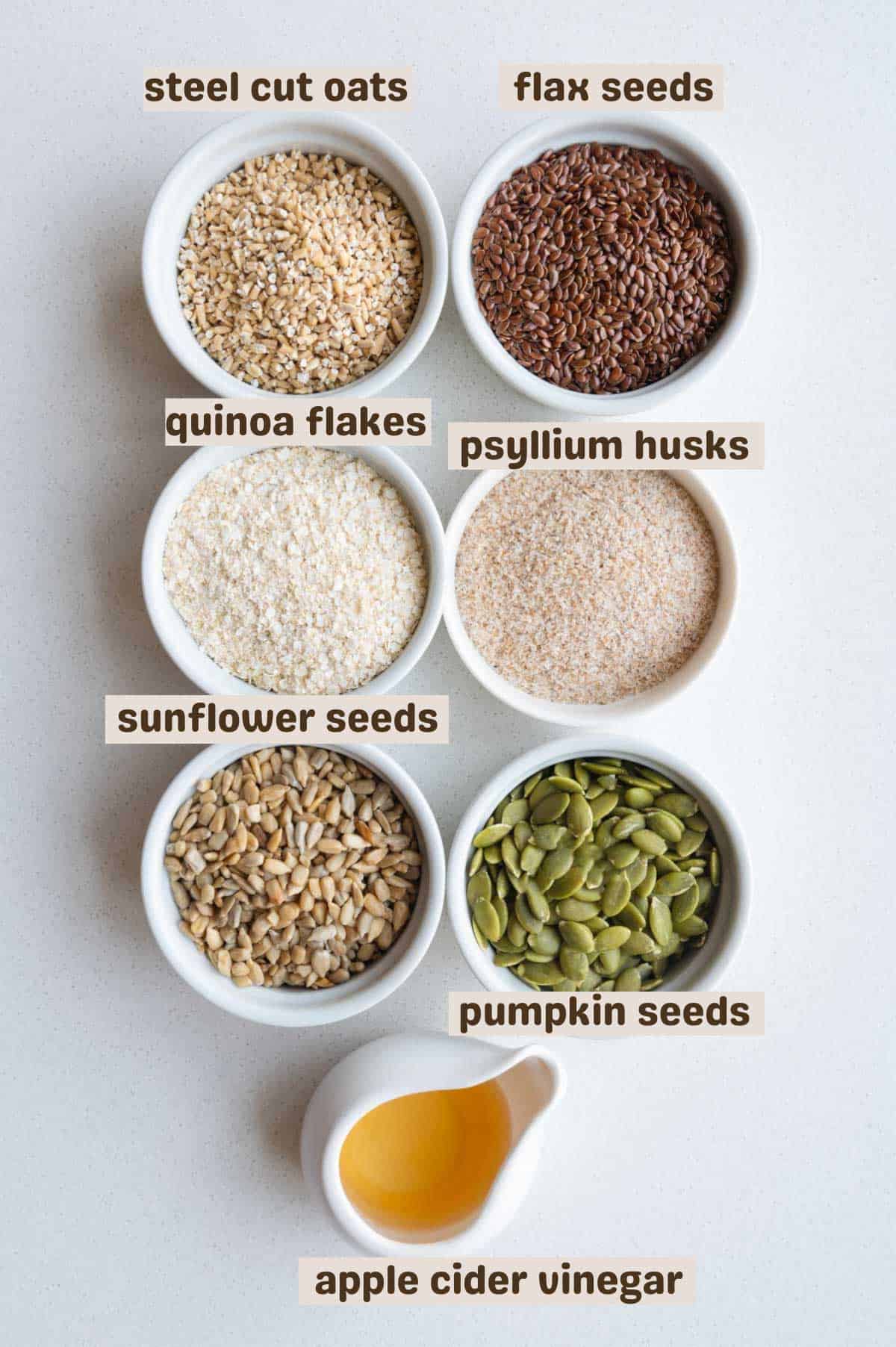
- Steel-cut oats form the hearty whole-grain base of this porridge bread. Soaking them for 6 to 7 hours softens the pieces enough for baking while maintaining their pleasantly chewy texture. Do not soak them for significantly longer, and drain them very thoroughly before adding them to the bread mixture.
- Whole flax seeds give this loaf its characteristic seed bread texture while adding fiber and alpha-linolenic acid (ALA), a plant-based omega-3 fatty acid. They also make this a particularly nutrient-dense flax seed bread.
- Sunflower seeds add crunch, plant-based protein, unsaturated fats, vitamin E, and minerals.
- Pumpkin seeds add a delicious nutty flavor along with protein, magnesium, iron, and zinc.
- Quinoa flakes help fill the spaces between the larger oats and seeds, giving the loaf a more cohesive texture. You can also use oat flakes. For gluten-free bread, use quinoa flakes or certified gluten-free oat flakes.
- Psyllium husk is essential for holding this no yeast bread together. Once hydrated, it forms a gel-like structure that binds the oats and seeds so the finished loaf can be sliced. Psyllium is also particularly rich in soluble, viscous fiber.
- Apple cider vinegar adds subtle acidity and balances the hearty flavor of the oats and seeds.
- A small amount of fine sea salt enhances the nutty flavors. You can reduce or omit it for a lower-sodium loaf.
See the printable recipe card below for quantities.
🌱 Substitutions
This recipe is versatile and easy to adapt. Below are some simple ingredient substitutions.
- Quinoa flakes: Quinoa flakes work best in this recipe. For a substitute, use the same amount of oat flakes-quick oats are the closest match, followed by rolled oats. For gluten-free bread, be sure to use certified gluten-free oats.
- Pumpkin seeds: Replace them with additional sunflower seeds.
- Sunflower seeds: Replace them with additional pumpkin seeds.
- Apple cider vinegar: Use an equal amount of another mild vinegar, such as white wine vinegar.
- Steel-cut oats: I do not recommend replacing the steel-cut oats with whole oat groats in this recipe. Their larger size can overwhelm the loaf and make it harder to slice cleanly.
- Psyllium husk: I do not recommend omitting the psyllium. It is a structural ingredient that helps bind this no yeast bread.
📝 How to Make No-Yeast Porridge Bread with Flax Seeds
The complete recipe with exact amounts is below. These additional tips will help you get the best results.
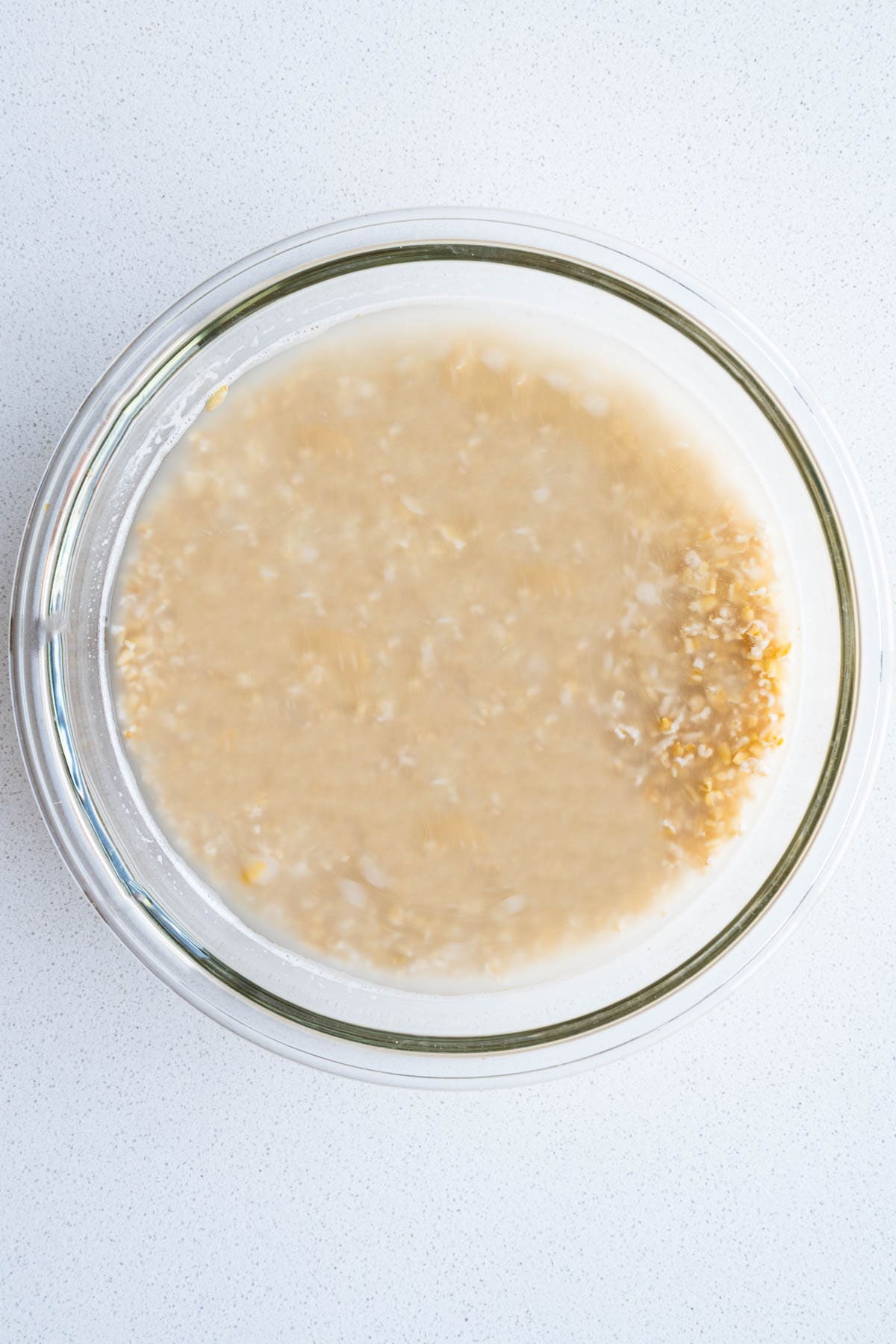
- Stick to the soaking time. Six to seven hours softens the steel-cut oats enough that they are pliable without allowing them to become overly waterlogged.
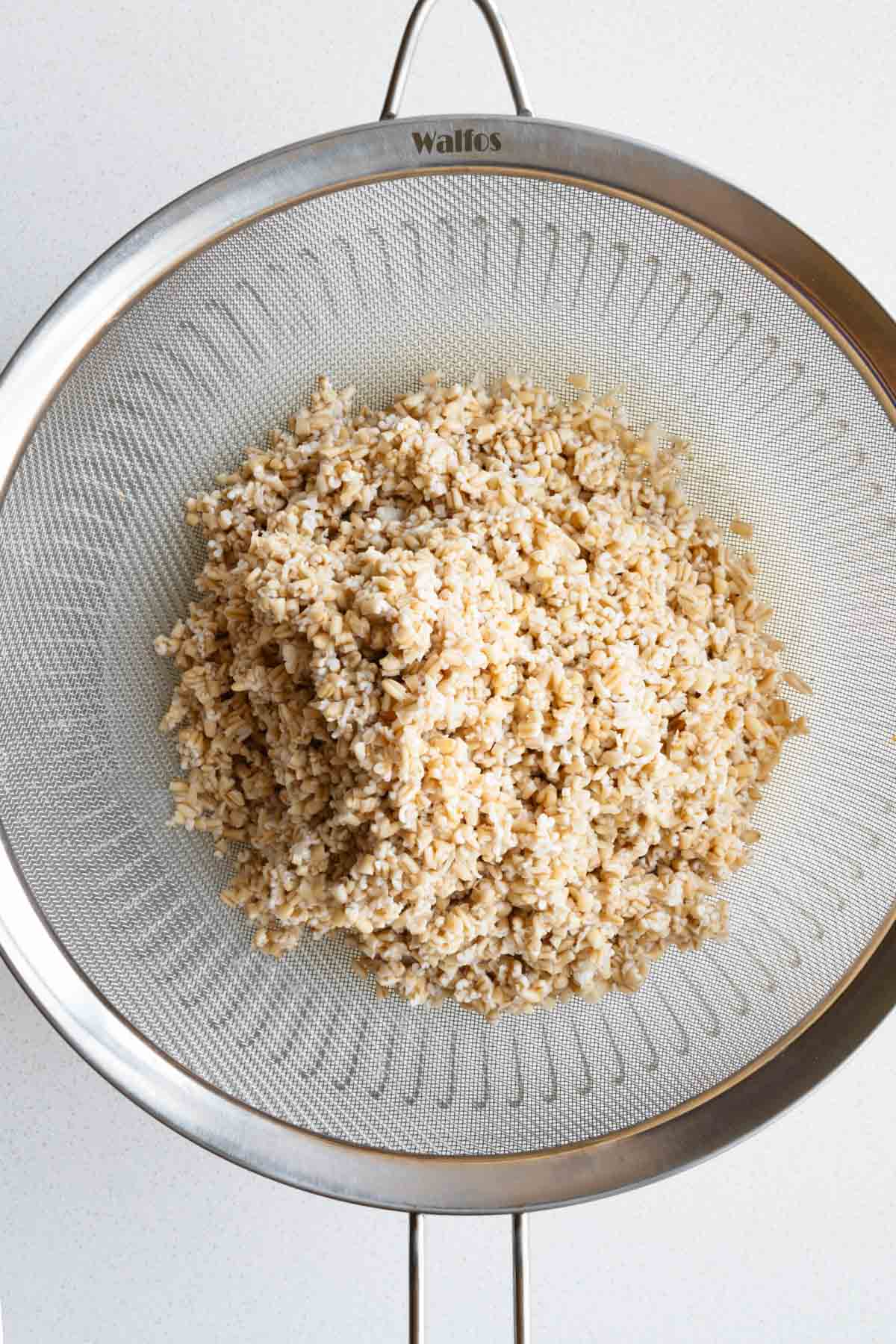
- Drain the oats very well. After soaking, excess water can alter the hydration of the loaf and make the center too moist.
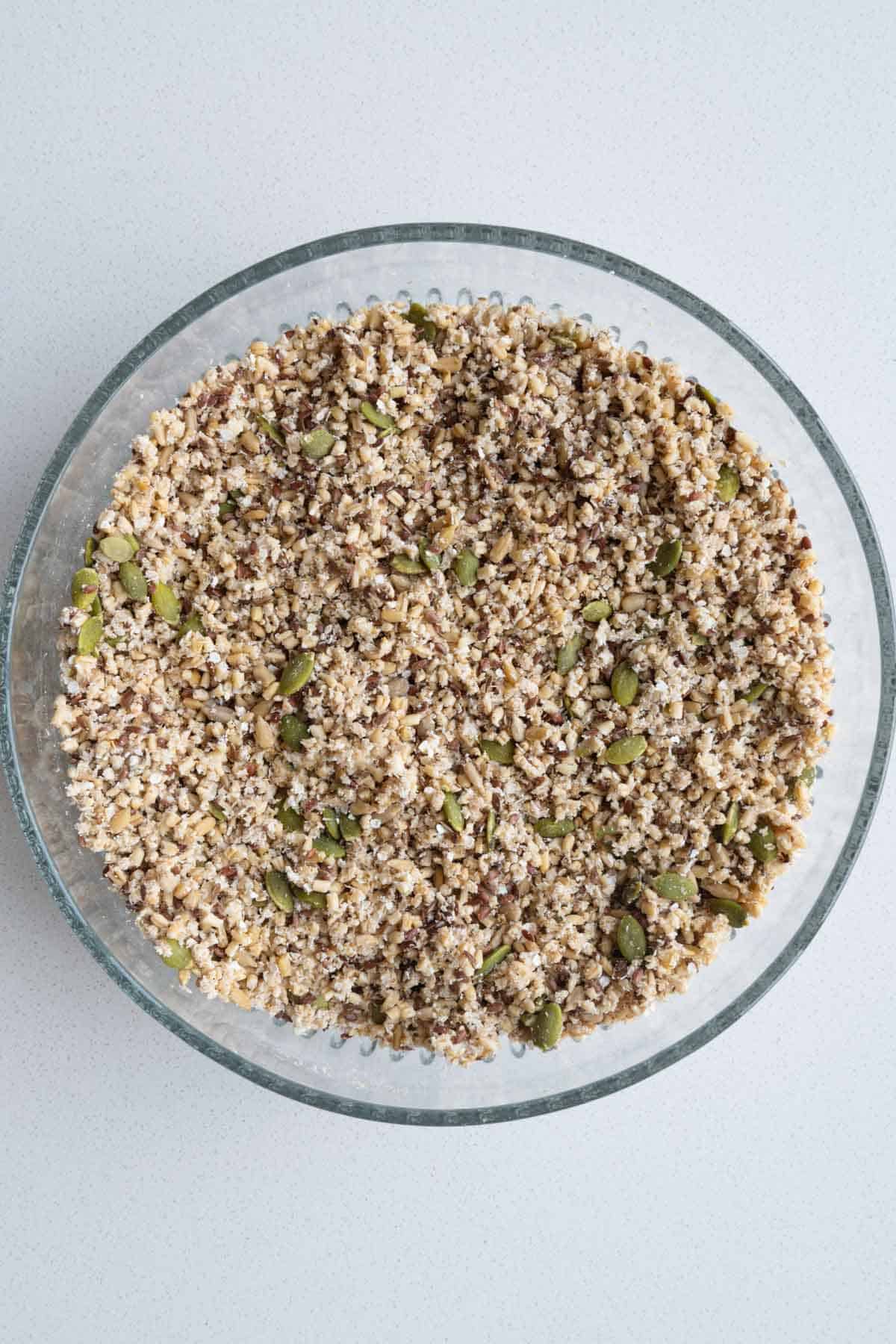
- Mix the dry ingredients and wet ingredients separately.
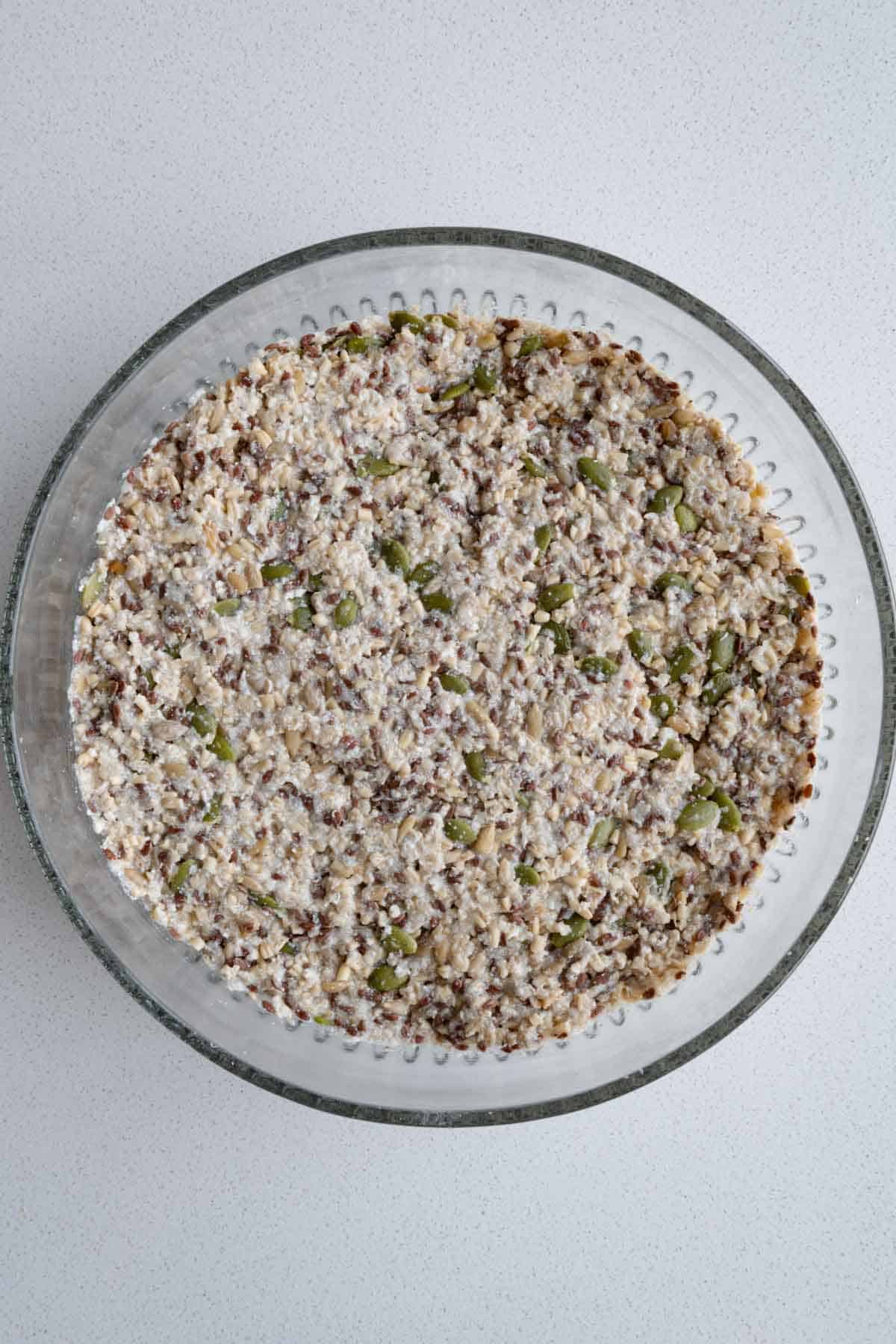
- Add the wet to dry and mix thoroughly. Psyllium needs to be distributed evenly throughout the mixture. Do not skip the resting time. Those 25 to 30 minutes allow the psyllium to absorb water and create the structure that holds this seed bread together.
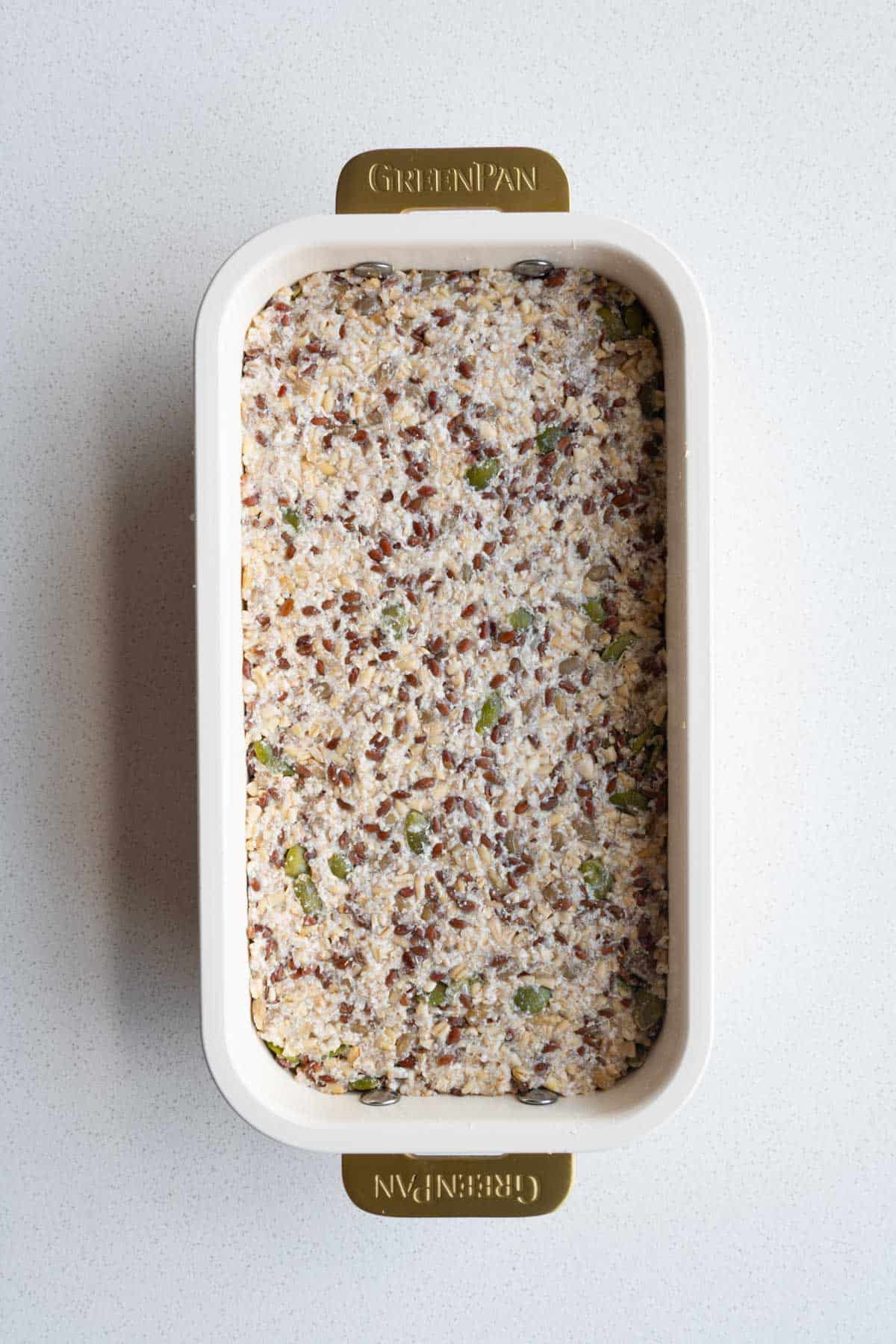
- Pack it firmly. Once the mixture is in the loaf pan, press it down firmly across the entire surface, including the corners. Air pockets can make the finished bread more likely to crumble.
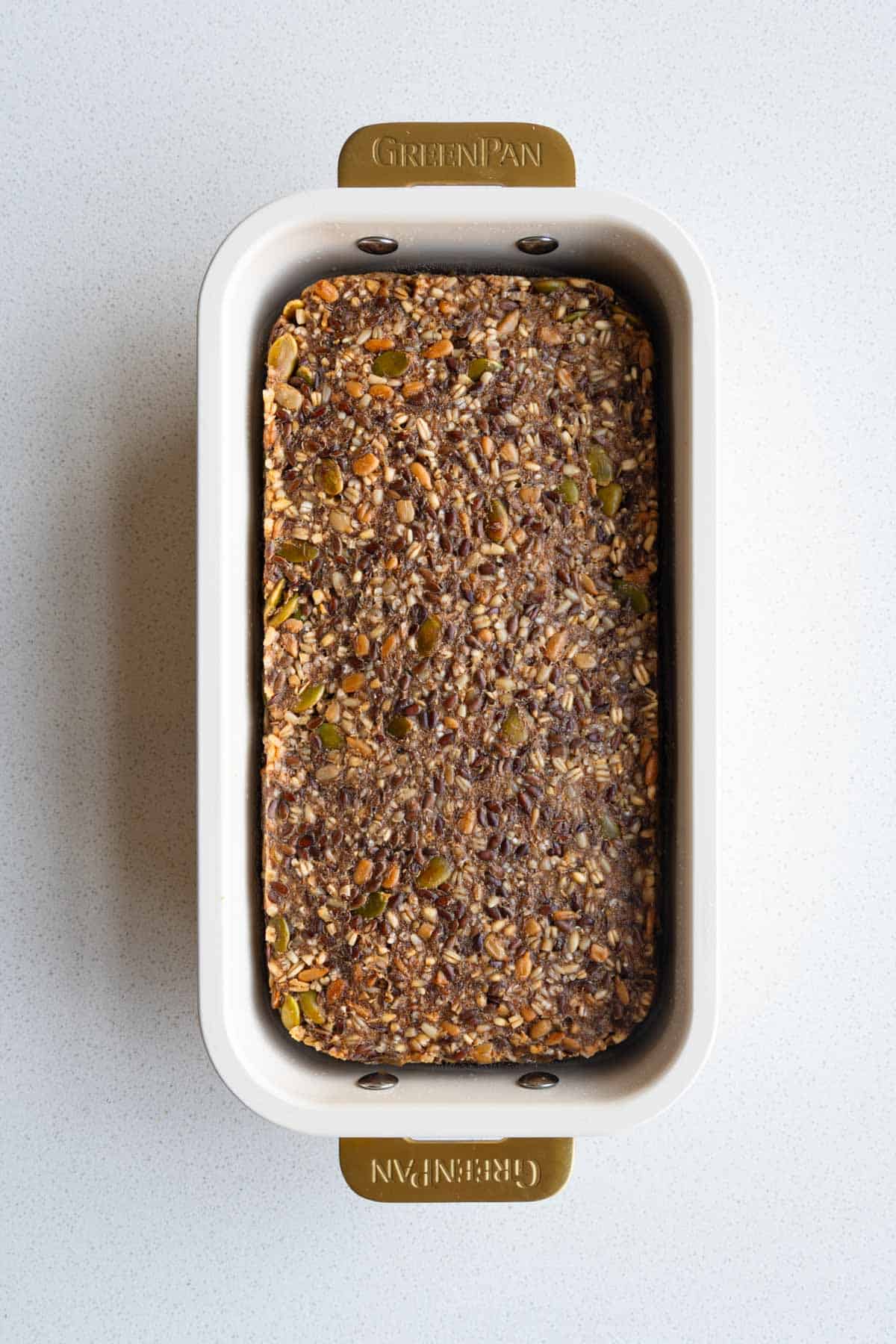
- Bake low and slow. The lower oven temperature and longer bake time help the moisture gradually evaporate, giving this dense porridge bread a firmer, more sliceable texture without over-browning the outside.
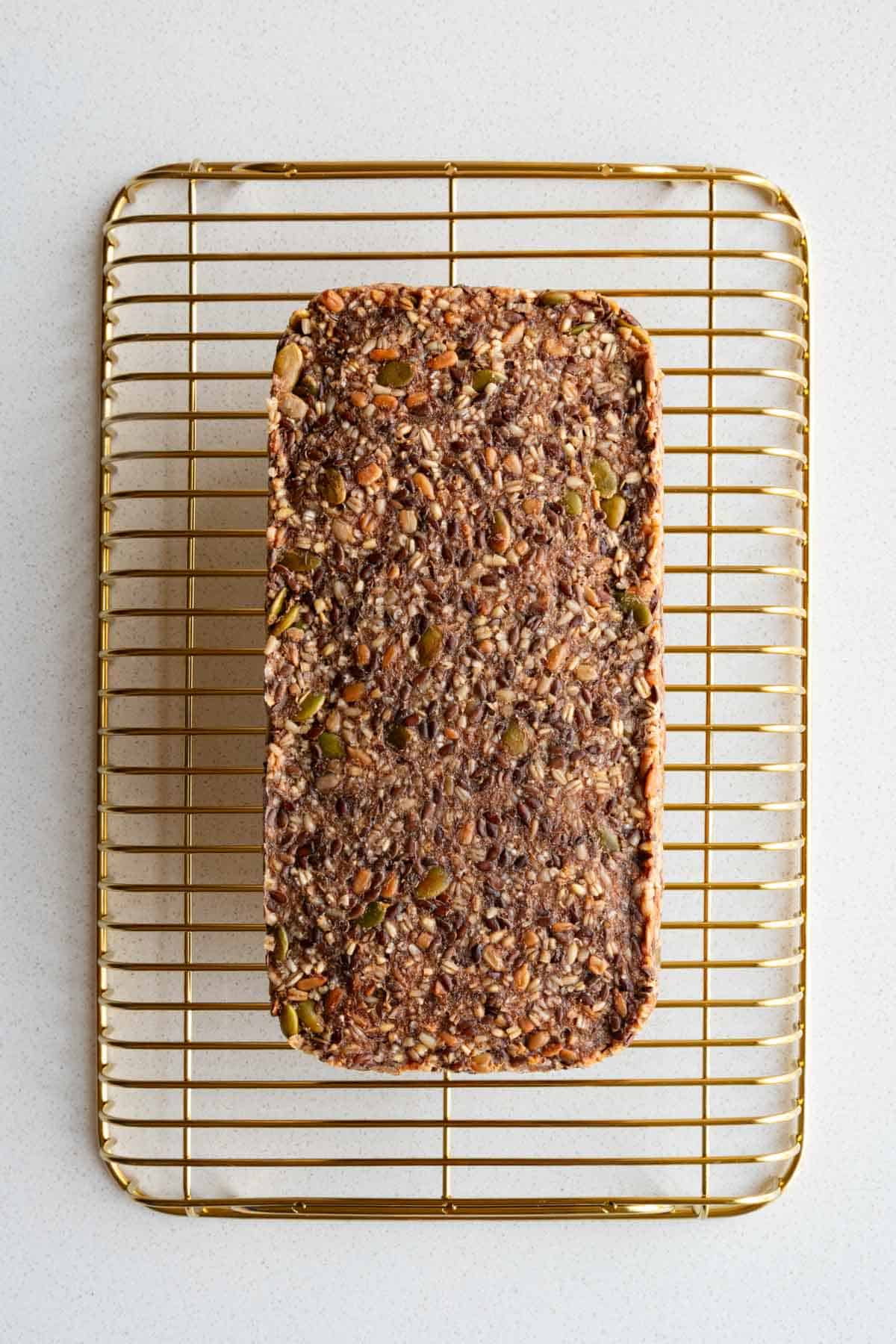
- Cool before slicing. The loaf continues to set as it cools. Cutting into it while very hot can compromise the texture.
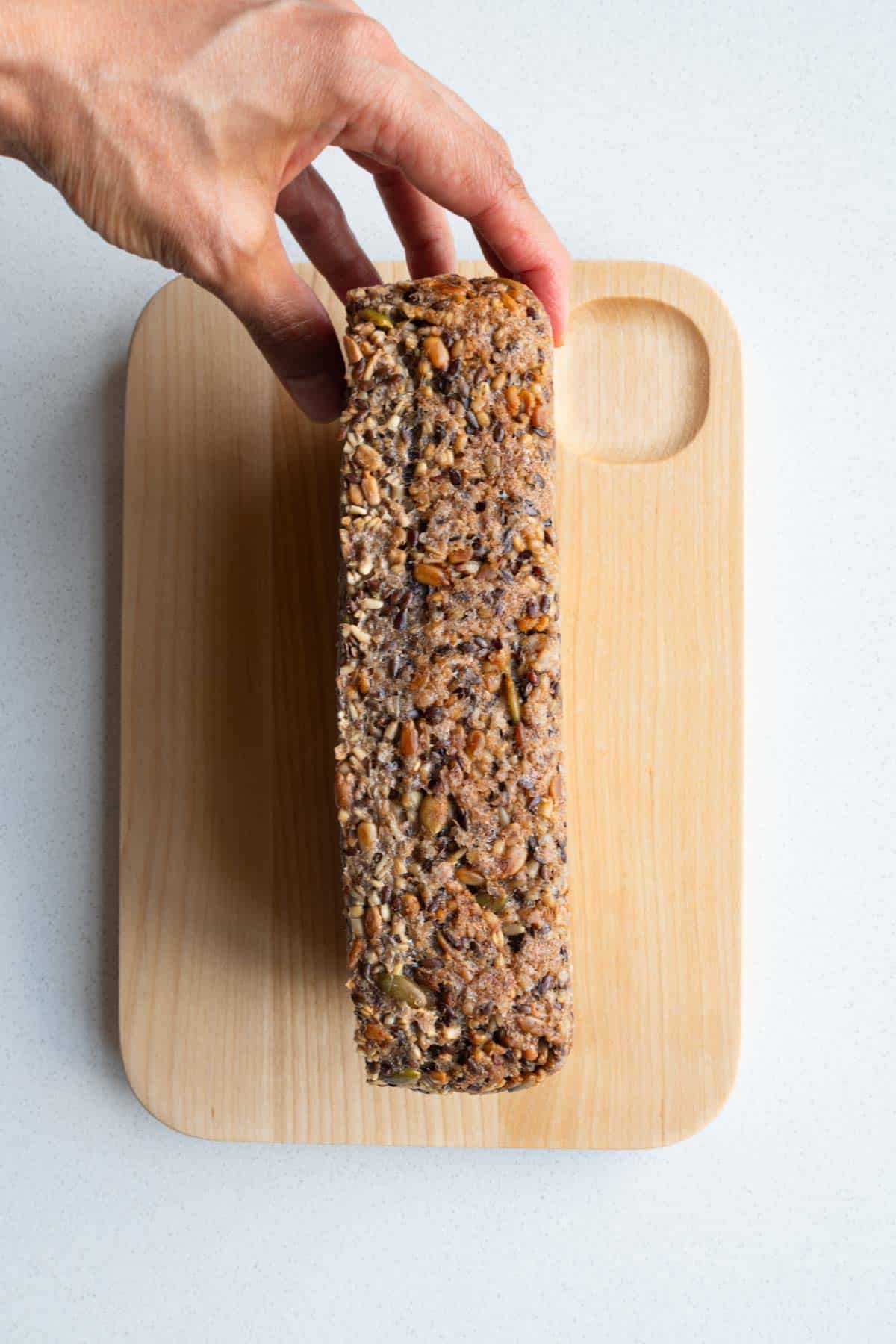
- Check the sides. The loaf should look beautifully golden and feel firm and sturdy, especially along the sides.
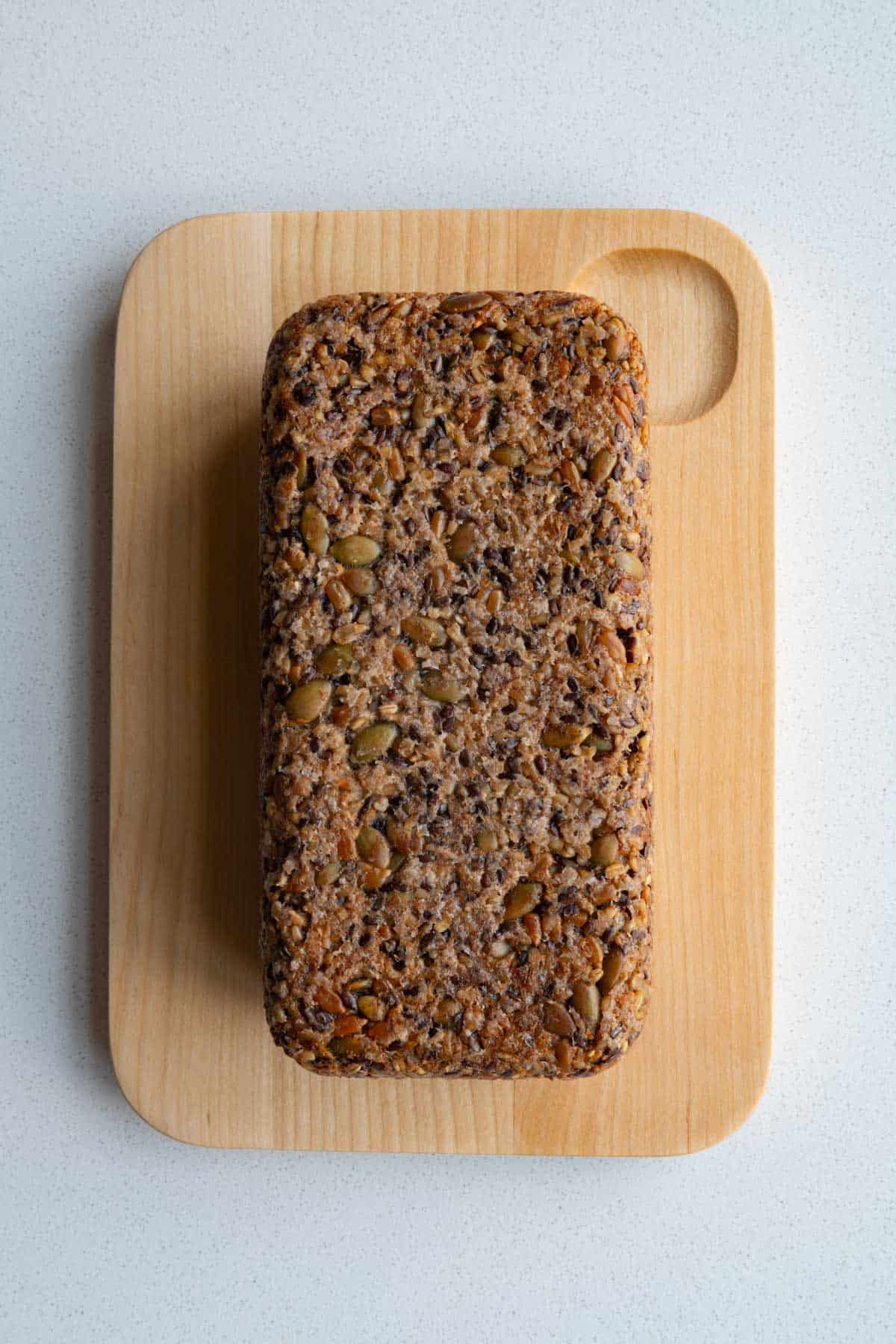
- Check the bottom. This firm base is a good sign that enough moisture has baked off for clean, easy slicing once cooled.
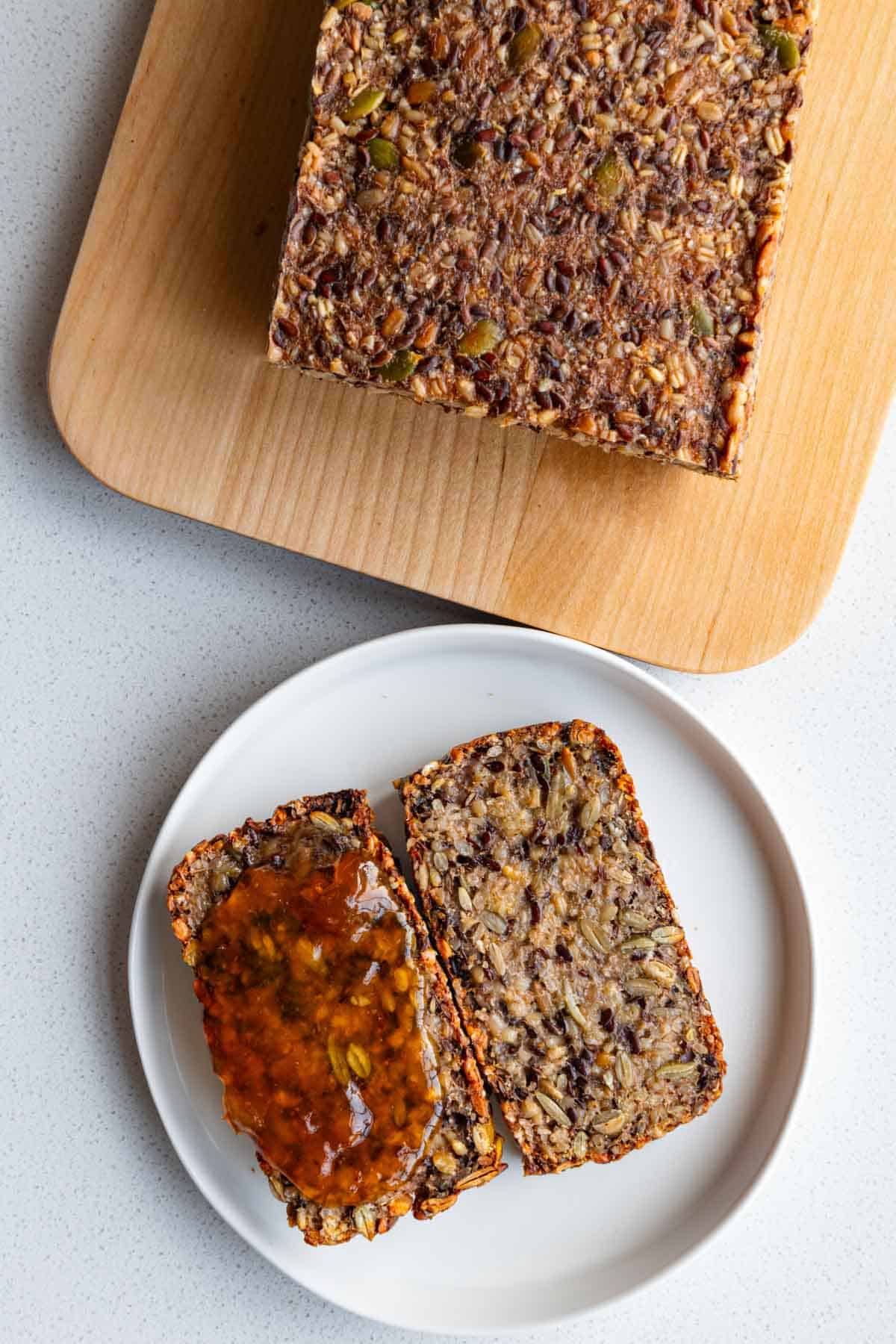
- Toast it (optional). Like many dense whole-grain seed breads, the texture and nutty flavor are especially good toasted. Add a dollop of Psyllium Jelly for even more cholesterol-lowering benefits.
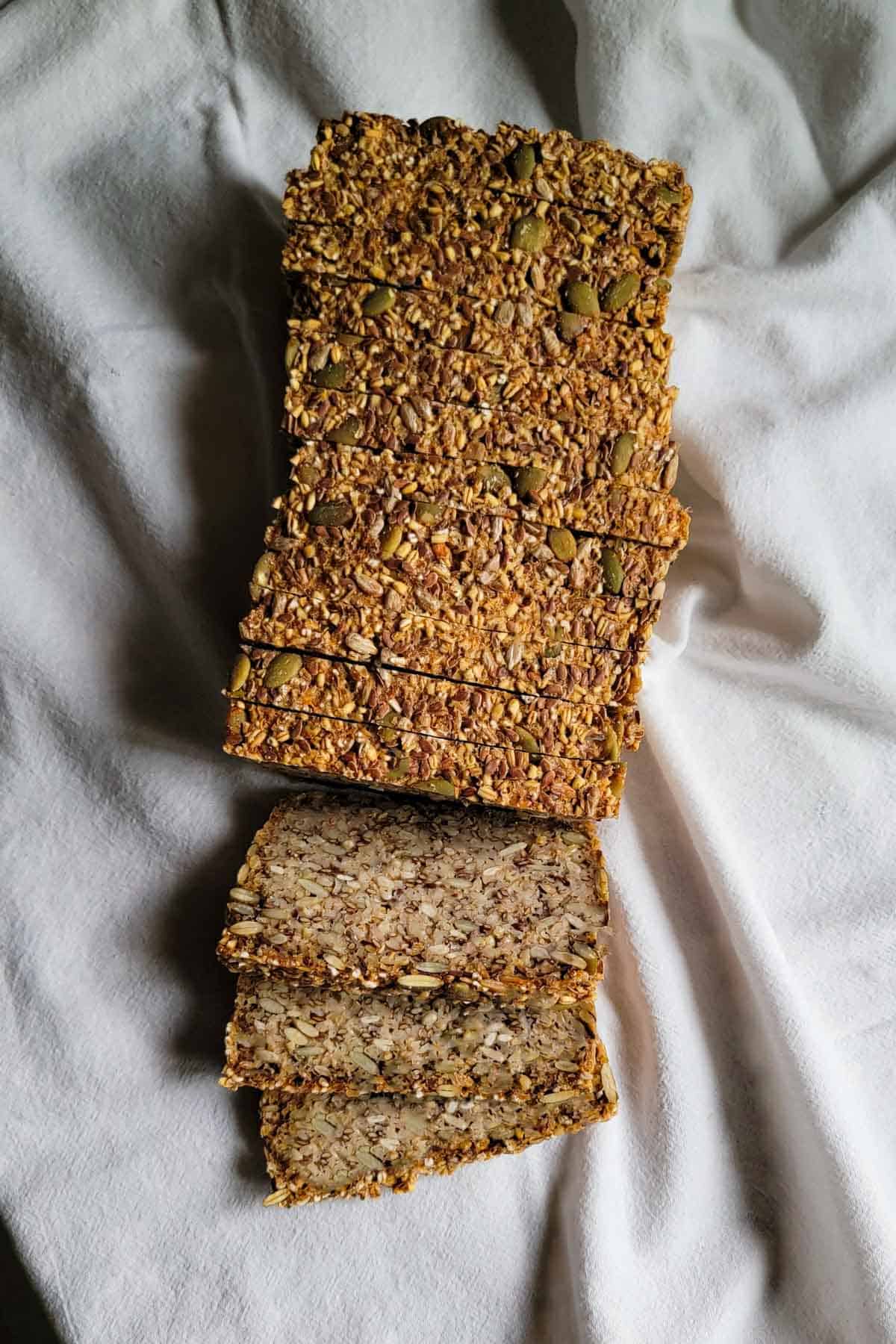
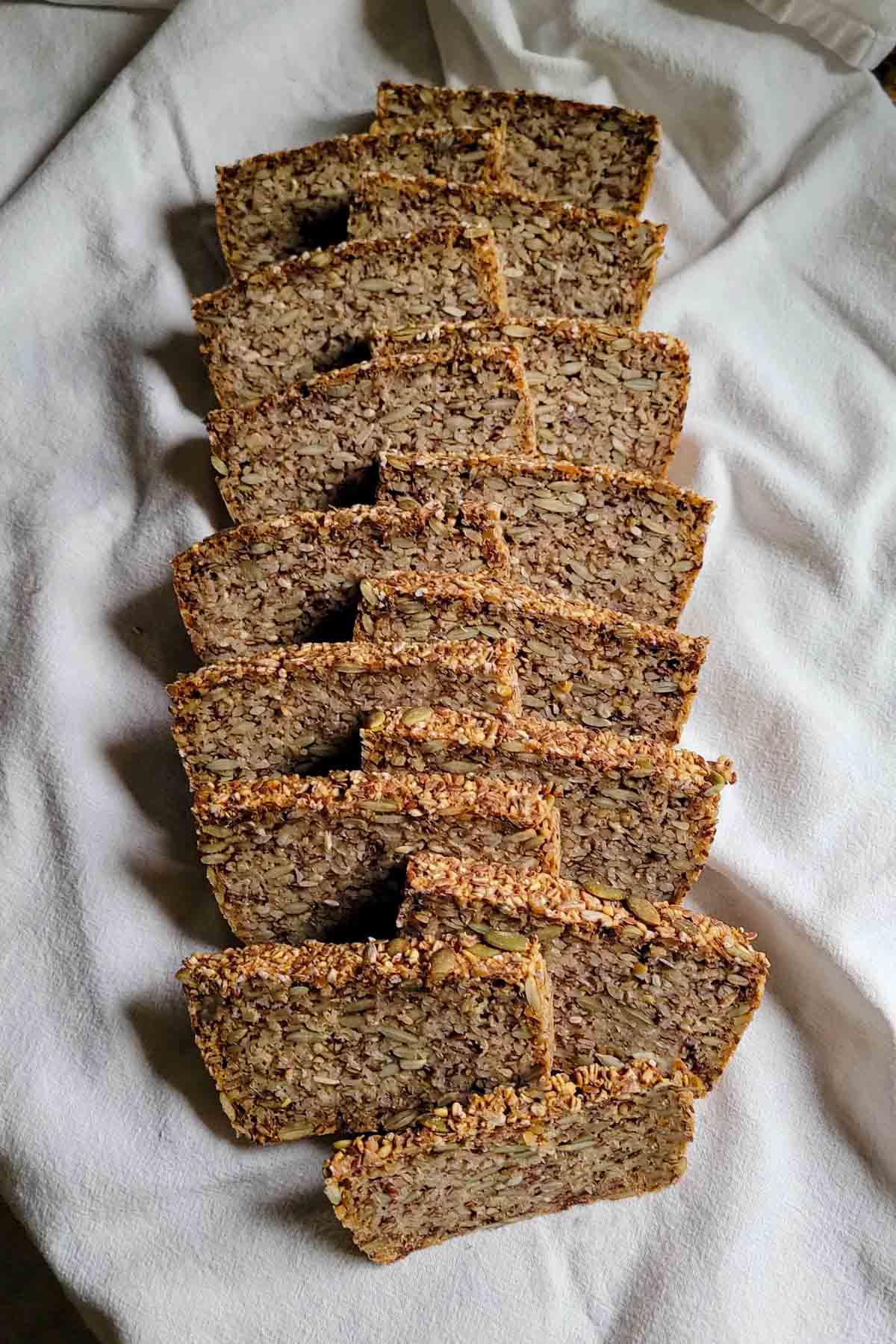
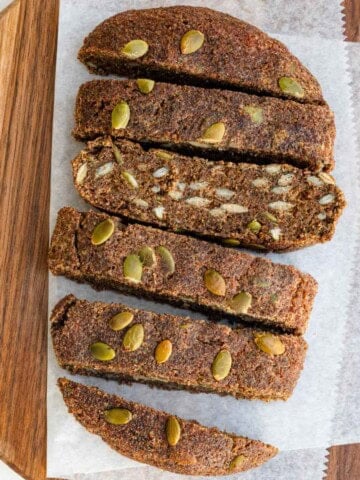
Porridge Bread made by a member of our community-thank you for sharing your photos!
🌿 Variations
Extra-Flax Seed Bread
Replace some of the sunflower or pumpkin seeds with additional whole flaxseeds for an even more seed-forward loaf.
Gluten-Free Porridge Bread
Use certified gluten-free steel-cut oats and certified gluten-free oat flakes, or use quinoa flakes. Oats are naturally gluten-free but can be cross-contaminated during growing and processing, so certification is important for people who need to strictly avoid gluten.
Lower-Sodium Bread
Reduce the salt or leave it out entirely. The toasted seeds still provide plenty of nutty flavor.
Toasted Seed Bread
For a deeper, nuttier flavor, lightly toast the pumpkin and sunflower seeds before mixing them into the dough. Let them cool before using.
✔️ Storage & Meal Prep Tips
Let the porridge bread cool completely before storing. Store the loaf in an airtight container in the refrigerator for up to 5 days. Because this homemade bread contains no preservatives and is naturally moist, refrigeration is preferable to leaving it at room temperature for several days.
For the best texture, toast refrigerated slices before serving.
Meal Prep
This flax seed bread is ideal for meal prep because you can bake one loaf, slice it, and keep individual portions ready to toast throughout the week.
For longer storage, slice the completely cooled loaf and freeze the slices with parchment between them. This makes it easy to remove only what you need. Toast individual slices directly from frozen or thaw them first.
🍞 What To Eat with Porridge Bread
This Psyllium Jelly is hard to beat. It takes just a few minutes to make and transforms psyllium husks into a lightly sweet, spoonable jelly.
Make this delicious and healthy Chia Seed Jam recipe using ground chia seeds for maximum health benefits.
Creamy, tangy, and dairy-free, this nut-free Protein Cream Cheese is made with protein-packed super-firm tofu, miso, lemon, garlic, and fresh herbs.
Boost plant-based protein with this Lentil Bean Dip, combining creamy beans and lentils with bold flavors.
5-minute Protein Guacamole with plant-based protein and spinach! This healthy protein-packed dip tastes incredible!
🙋🏽♀️ Recipe FAQs
Porridge bread is a hearty bread made with oats or other grains that have been soaked, cooked, or softened before baking. This version uses soaked steel-cut oats with seeds, quinoa flakes, and psyllium for a dense, rustic loaf without yeast or kneading.
It can be. Use certified gluten-free steel-cut oats and certified gluten-free oat flakes, or choose quinoa flakes. While oats themselves do not naturally contain gluten, regular oats may be contaminated with gluten-containing grains during processing.
This is a type of seed bread because it contains generous amounts of flax seeds, sunflower seeds, and pumpkin seeds. Steel-cut oats give it the hearty texture of porridge bread, while psyllium helps bind the loaf.
This moist, flourless-style seed bread is best stored in the refrigerator once completely cooled. Refrigeration helps maintain freshness, and individual slices are excellent reheated in the toaster.
No. This recipe uses whole flaxseeds intentionally for texture. The psyllium husk is responsible for much of the binding, so there is no need to grind the flaxseeds for the loaf to hold together.
🍽️ Related Recipes

👩🏽🍳 Made this recipe?
Let me know your thoughts on No-Yeast Porridge Bread with Seeds by leaving a ⭐️ rating below or sharing it on Instagram.
⚖️ Convert the Recipe to Metric (g & mL)
Use these AI tools to do this:
Gluten-Free No-Yeast Porridge Bread Recipe
Ingredients
- 1 ½ cups dry steel cut oats
- ½ cup whole flax seeds
- ½ cup pumpkin seeds pepitas
- ½ cup sunflower seeds
- ½ cup quinoa flakes or oat flakes (see notes)
- 3 tablespoons whole psyllium husks
- 1 ½ cups water
- 4 teaspoons apple cider vinegar
- 1 ½ teaspoon salt optional
Save This Recipe!
Type your email & I'll send it to you!
EQUIPMENT
- 1 Loaf pan 8½ x 4½-inch or similar size, nontoxic nonstick or parchment-lined
- 1 large bowl
- 1 Fine Mesh Sieve
Instructions
- Soak the steel-cut oats: Place the steel-cut oats in a bowl and cover generously with water. Soak for 6 to 7 hours, until the oats are pliable and can be pressed between your fingers but still retain their shape. Do not oversoak. Drain very thoroughly using a fine mesh sieve.
- Combine the dry ingredients: Add the drained steel-cut oats, flaxseeds, sunflower seeds, pumpkin seeds, quinoa flakes, psyllium husk, and salt, is using, to a large bowl. Mix until evenly combined.
- Mix the liquids: In a separate container, stir together the water and apple cider vinegar.
- Mix wet with dry: Pour over the oat and seed mixture. Mix thoroughly. Stir very well, making sure the psyllium and liquid are evenly distributed and there are no dry pockets.
- Rest: Let the mixture sit for 25 to 30 minutes. This gives the psyllium time to fully hydrate and helps bind the loaf.
- Preheat the oven to 325°F (163°C).
- Pack the loaf pan: Transfer the mixture to a nontoxic nonstick or parchment-lined 8 ½ x 4 ½-inch loaf pan. Press the mixture down very firmly and evenly. Compacting the mixture well is important for a loaf that holds together when sliced.
- Bake: Bake on the middle rack at 325°F (163°C) for 90 minutes. Optional for a firmer crust: Carefully remove the bread from the pan for the final 10 to 15 minutes of baking and place it directly on the oven rack or a baking sheet.
- Cool: Let the porridge bread cool completely, preferably on a cooling rack, before slicing. Allow at least 30 minutes so the loaf has time to firm up.
Notes
Nutrition
This information is provided as a courtesy and is only an estimate. Nutritional values may vary depending on factors such as product types and brands used.
🛍️ Shop Recipe Cookware and Ingredients

Note: As an Amazon Associate, I earn from qualifying purchases.
Nisha's Favorites
Get my tried-and-true products.
Kay says
Sometimes I find healthy bread recipes a bit daunting..but this was easy peasy!
I ended up placing them in 3 mini loaf tins (1 tin that has 4 mini loaf tins) and it needed to bake for about 40/45 min.
I used blended rolled oats because I didn't have quinoa flakes.
The texture and flavour is amazing! Loved how the slices held together nicely! v
Next time I'd consider adding goji berries or sultanas.
Nisha Melvani, RDN says
So glad you found it easy and loved the texture! Thank you for sharing the mini loaf baking time and rolled oat swap—so helpful for others. Goji berries or sultanas sound delicious for your next batch!
Olivia says
Made this last night. I replaced the quinoa flakes with old fashioned oats. I did but them in the blender for 10 seconds. Came out great. It also helped with my sweet tooth. Great with an over easy egg, sliced avocado and coffee! Will be making this again and again!
Nisha Melvani, RDN says
So glad to hear the substitution worked well. Thank you for sharing. Very helpful.
Kate says
I made this porridge bread yesterday and it turned out great despite the fact that I put in 4 tablespoons of apple cider vinegar and had to turn the oven off a bit early and let it sit in the warm oven until I got back home and hour plus later!
It sliced nicely and doesn't taste vinegary at all. I toasted a slice this morning and it taste great! Thank you for this delicious bread recipe that's gluten free!
Nisha Melvani, RDN says
I am so glad you are enjoying it despite the extra vinegar:) Thanks for commenting.
Jojo says
Very tasty and almost savory. I added a tbsp of honey and needed to sub hemp seeds for flax seeds and turned out great!
Nisha Melvani, RDN says
So glad it worked out. Thank you for sharing.
Jan says
I can’t wait to try this. Can ground flax seeds be substituted for whole flax seeds? It is my understanding that the nutrients of ground flax seeds are absorbed better than whole flax seeds. Or can hemp seeds be substituted for whole flax seeds? Thank you for this recipe and so many of your recipes I use.
Nisha Melvani, RDN says
Thank you so much! You’re right that ground flax makes the omega-3s and lignans easier to absorb. Whole flax still has benefits, though: it provides fiber, and its outer coating forms a gel when wet. I use it here for the bread’s chewy texture, while the psyllium does most of the binding. If you’d like the benefits of ground flax too, you could sprinkle some over your slice after baking!
Jojo says
I subbed hemp seeds today and the texture was great. The only thing I can think is different is the nuttiness of flax is replaced by the hemp seed flavor. I liked it!
Nisha Melvani, RDN says
So glad this worked out. Thanks for sharing. This is helpful to know.