
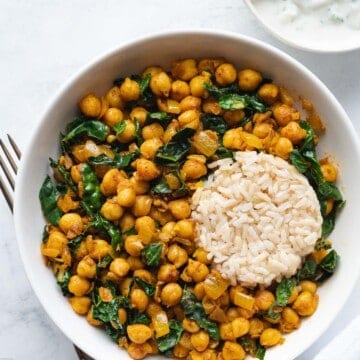
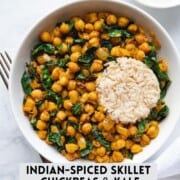
This high-protein, calcium-rich Indian Chickpeas and Kale with vegan raita is quick, easy, budget-friendly, and ready in 30 minutes. Perfect for weeknight dinners or meal prep, it's packed with bold spices, tender chickpeas, and nutrient-rich kale. With plenty of fiber and a creamy vegan raita to round it out, this dish is as satisfying as it is wholesome.

Save This Recipe!
Type your email & I'll send it to you!
This Indian Chickpeas and Kale recipe is inspired by my 15-minute Lentil Veggie Curry.
Jump to:
- 🫘 Chickpeas & Longevity
- ⏲️ How to Cook Kale to Maximize Nutrients
- 🦠 How Fermented Foods Improve Your Gut Health and Longevity
- 👩🏼🌾 Ingredients & Health Benefits
- 🥬 Substitutions
- 🥥 Variations
- 📖 How to Make Indian Chickpeas and Kale
- 📖 How to Make Vegan Raita
- ✔️ Expert Tips
- 🛍️ Shop Recipe Cookware and Ingredients
- 🍽️ Related Recipes
- 🫓 Pairing
- 🙋🏽♀️ Recipe FAQs
- 👩🏽🍳 Made this recipe?
- Indian Chickpeas and Kale Recipe
- 💬 Comments
🫘 Chickpeas & Longevity
- Consuming chickpeas and other legumes is linked to a slimmer waistline, lower blood pressure, and better blood sugar control. and reducing diabetic complications.
- The American Institute for Cancer Research recommends including legumes in every meal due to their potential role in reducing the risk of cancer, strokes, and other chronic diseases.
- Chickpeas, like other legumes, play a vital role in supporting heart health by helping to lower resting heart rate-a key indicator of longevity. Elevated resting heart rates are associated with a higher risk of premature death, even in healthy individuals. Including chickpeas in your diet can help manage this risk, as they are rich in fiber, potassium, and magnesium, which contribute to better blood pressure regulation, reduced cholesterol levels, and improved overall heart function.
- Incorporating chickpeas into meals, such as salads, soups, or curries, is a simple and effective way to take an active role in your heart health and longevity, making them a powerful ally for a healthier, longer life.
⏲️ How to Cook Kale to Maximize Nutrients
Kale is unique among cruciferous vegetables, retaining its glucosinolates even after cooking. Frozen kale offers 60% more antioxidants than fresh, and methods like blanching, steaming, stir-frying, or quick-pressure cooking can enhance its antioxidant content. However, heat destroys myrosinase, which creates cancer-fighting sulforaphane. Adding mustard powder after cooking restores this enzyme's benefits. Alternatively, you can chop the kale 40 minutes before cooking, which activates the enzyme and gives it time to work its magic!
Cooking kale also reduces oxalates, which is important for those with low iodine intake, and breaks down fibrous cell walls for easier digestion. Although kale contains goitrogens that may interfere with thyroid function, maintaining adequate iodine in your diet effectively balances these effects, allowing you to enjoy its many health benefits.
🦠 How Fermented Foods Improve Your Gut Health and Longevity
Incorporating low-sodium fermented foods like yogurt into your daily diet is essential for promoting excellent health and longevity. Research on fermented foods and gut health reveals that yogurt can significantly enhance microbiome diversity, a critical factor for maintaining a healthy gut. When combined with a high-fiber diet, fermented foods also help lower markers of inflammation. However, individuals with lower microbiome diversity experienced increased inflammation, likely because their gut bacteria struggled to process the fiber. This highlights the importance of gradually introducing both fiber and fermented foods to allow them to work synergistically, improving gut health and overall well-being.
👩🏼🌾 Ingredients & Health Benefits
For the Indian chickpeas and kale:
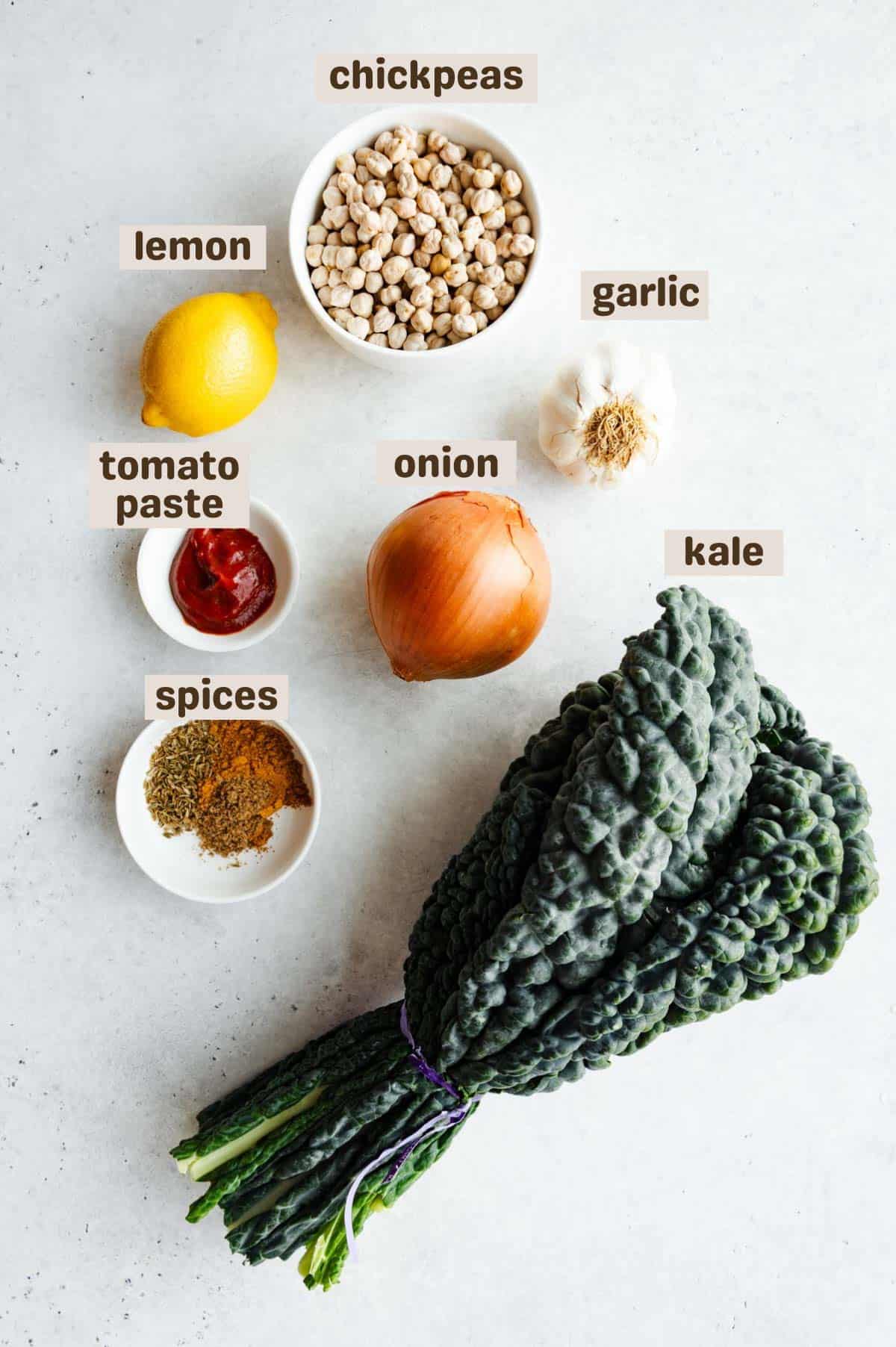
- Chickpeas (garbanzo beans) are a nutritional powerhouse. They are considered both a protein and a vegetable. They provide iron, and zinc like other protein sources but also deliver fiber, folate, and potassium commonly found in vegetables. This unique combination makes chickpeas a heart-healthy, low-fat, and cholesterol-free food.
- Kale is a low-oxalate nutrient-dense vegetable. It is unique among cruciferous vegetables, retaining its glucosinolates even after cooking.
- Onion and garlic are mineral absorption enhancers. They aid the absorption of nutrients in the presence of phytonutrients.
- Tomato paste contains lycopene, the phytonutrient that gives tomatoes their bright red color, and one of the most potent antioxidants. One tablespoon of tomato paste daily significantly reduced gingivitis within one week, and improved gum bleeding in periodontal patients. In a human randomized control study, a 'tomato sauce-based dietary intervention' in men with prostate cancer decreased free radical damage of their DNA in white blood cells by 21 percent.
- Lemon is rich in vitamin C, which enhances the absorption of iron from other plant-based ingredients.
- Spices pack a punch of antioxidants in just a pinch, making them an easy way to boost the health benefits of any dish. This Indian Chickpeas recipe uses garam masala, turmeric, and coriander. (See my Vegan Food List for how to choose lead-free spices.)
- Ground mustard powder is added at the end of the cooking process to restore the enzyme myrosinase, which creates cancer-fighting sulforaphane. Alternatively, you can chop the kale 40 minutes before cooking, activating the enzyme and giving it time to work its magic!
For the raita:
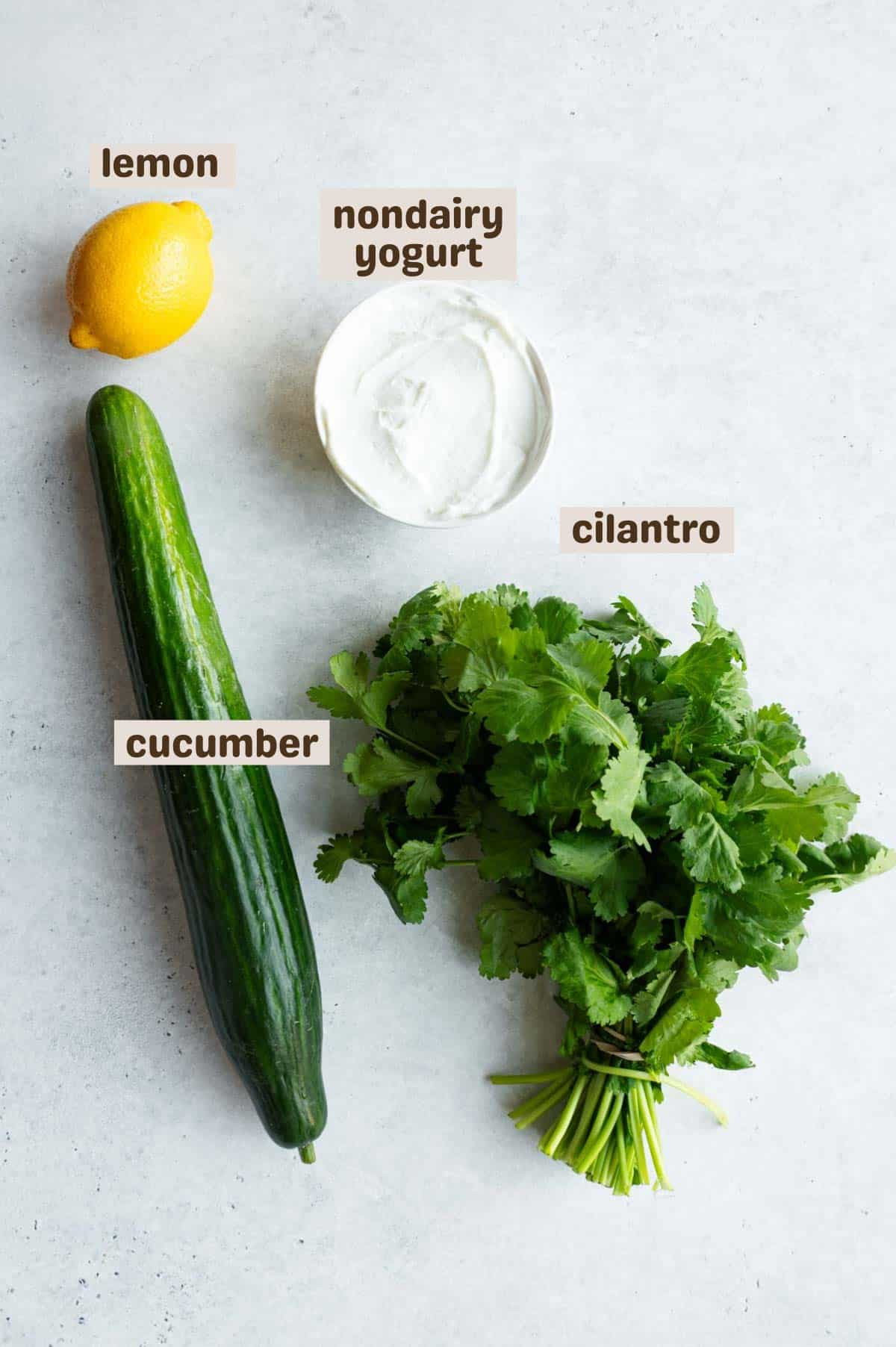
- Cucumbers are a high-water food, making them a great choice for weight management. With over 95% water content, they help you stay hydrated, add volume to meals, and keep you feeling full with very few calories. Plus, their refreshing crunch makes them a perfect addition to raita.
- Unsweetened non-dairy yogurt adds a fermented element to this recipe. Incorporating low-sodium fermented foods into your daily diet is essential for promoting excellent health and longevity. Choose an unsweetened yogurt for this recipe, such as almond, cashew, soy, or coconut. Alternatively, try my homemade soy milk yogurt or cashew yogurt.
- Cilantro adds a fresh, citrusy flavor to raita, enhancing the yogurt sauce with a bright and herbaceous note. Its bold taste pairs perfectly with the cooling yogurt and spices, creating a well-rounded and flavorful accompaniment.
- Lemon juice is added at the end to preserve the heat-sensitive vitamin C.
See the printable recipe card at the bottom for measurements, detailed instructions, and nutrition information.
🥬 Substitutions
- Kale - Instead of kale, you can use spinach or a different chopped green of your choice like spinach, chard, or collard greens. Add water only as needed.
- Chickpeas - use kidney beans or black-eyed peas instead of chickpeas
- Cilantro - substitute with parsley as desired
🥥 Variations
- Curry - add canned coconut milk to the dish along with the chopped greens as desired to turn this dish into a soupy curry
- Deluxe - add bite-sized pieces of potato with canned coconut milk for a more substantial meal
- Spicy - add minced serrano pepper with the garlic
See this Bean Curry on my website!
📖 How to Make Indian Chickpeas and Kale
This is an overview. The full recipe is at the bottom of the post.
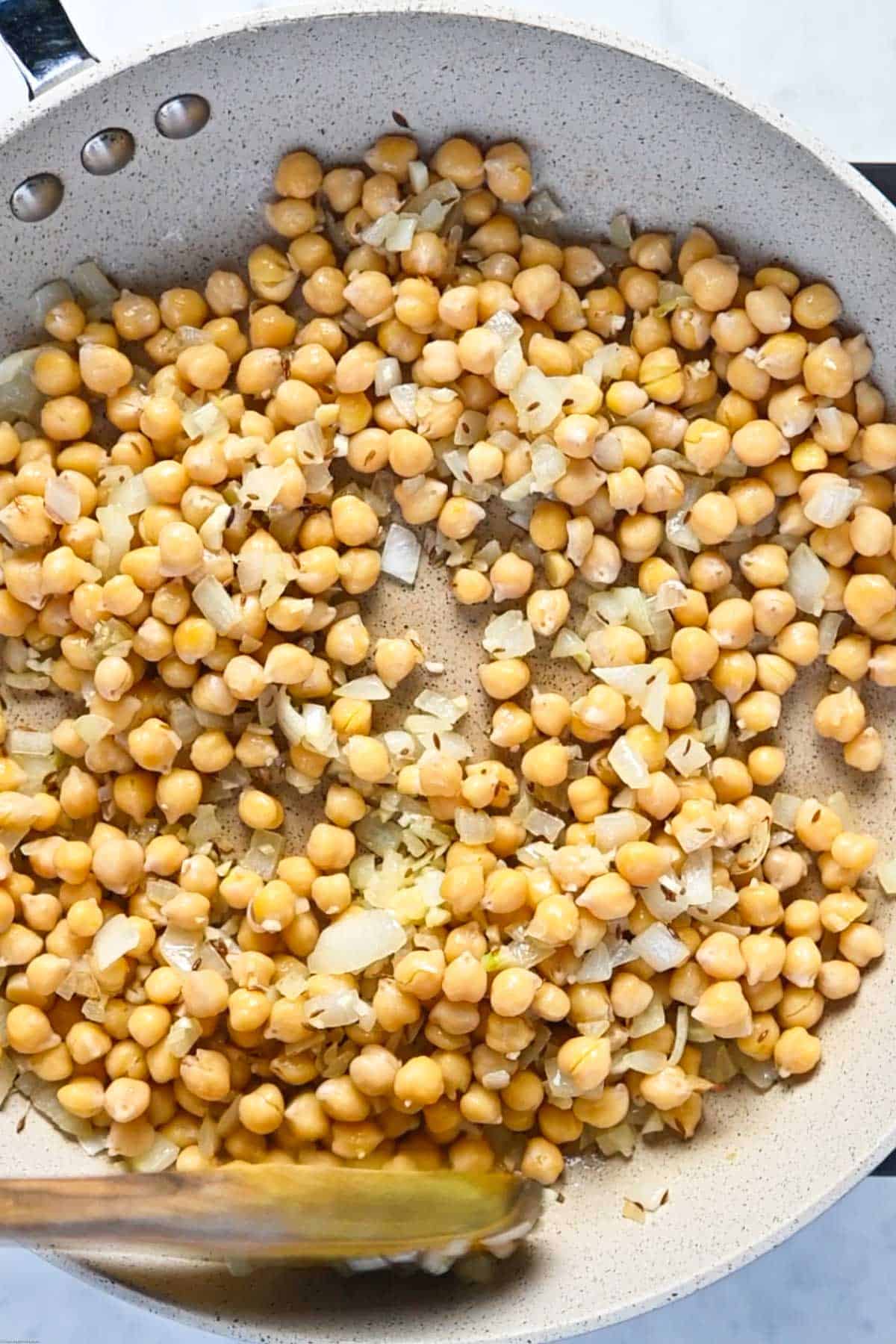
- Sauté the chickpeas: Heat the broth or oil in a large skillet. Briefly toast the cumin seeds. Cook them until they are just fragrant. Add the aromatics and cook until translucent. Then add the tomato paste, stir constantly, and cook for about one minute before adding the chickpeas. Cook them with the aromatics and spices.
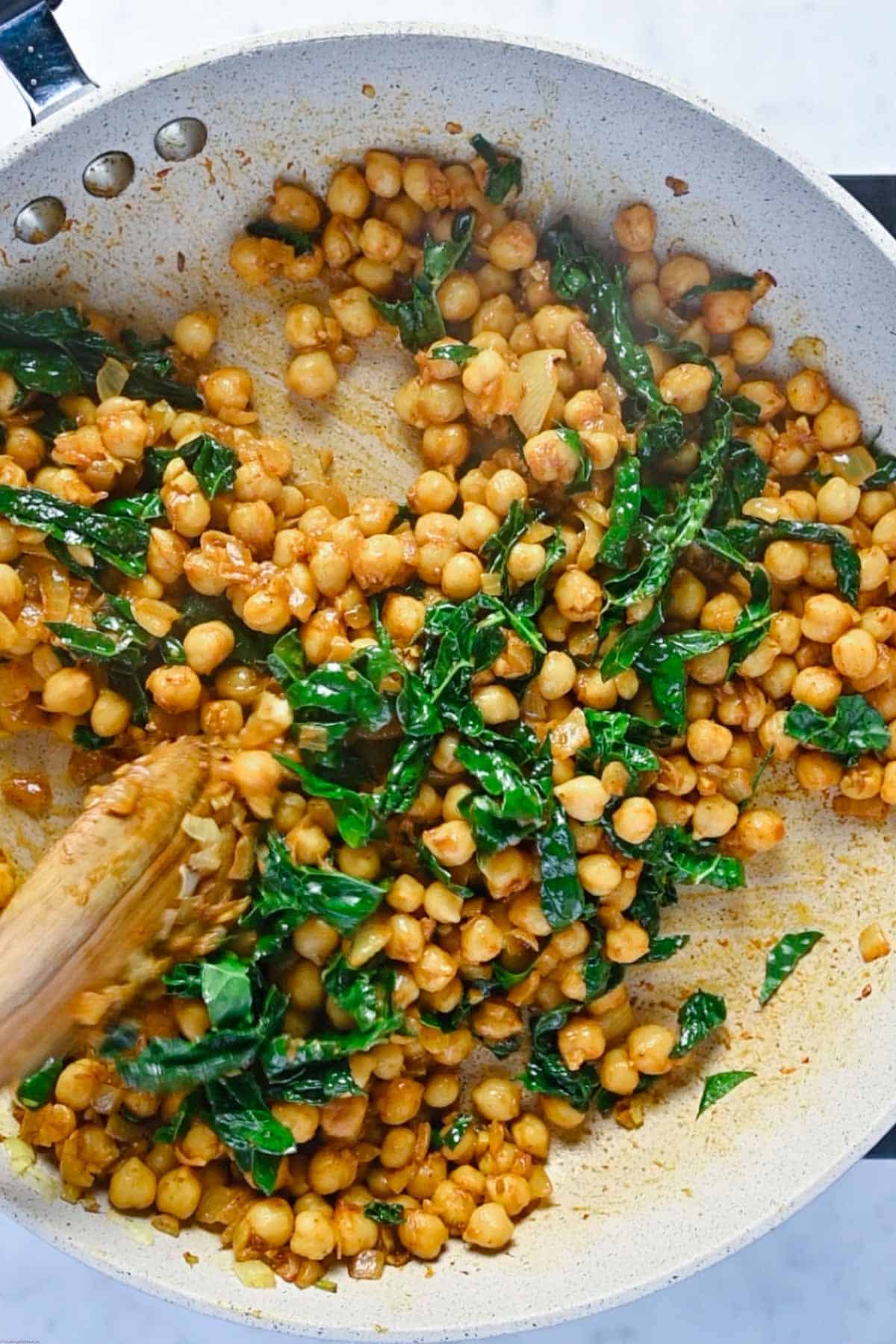
- Add the kale and water. Cook until just wilted.
📖 How to Make Vegan Raita
I prefer to keep the skin on the cucumber for added nutrients, texture, and color.
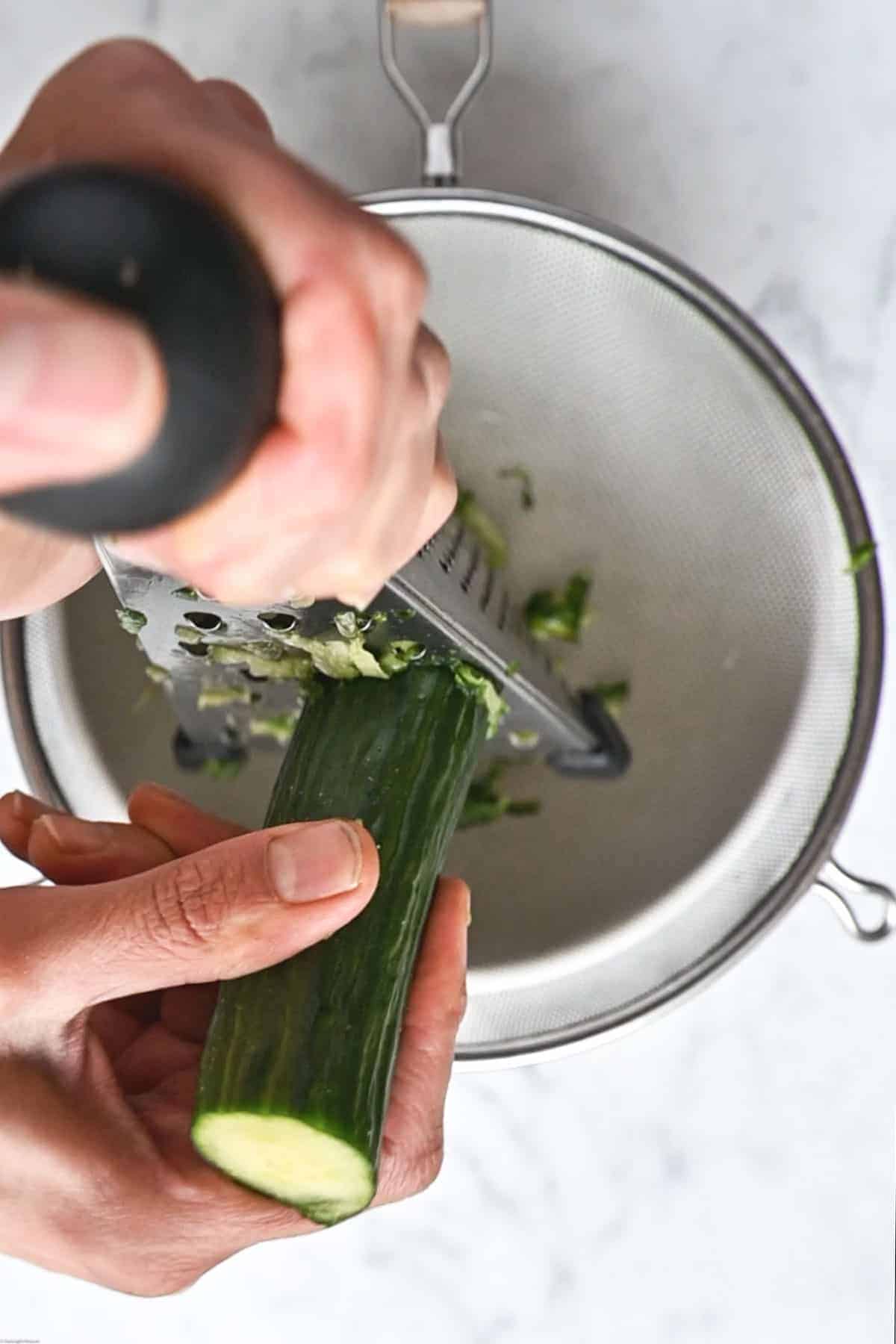
- Grate the unpeeled cucumber using the larger holes on a box grater. Place the grated cucumber into a large mesh strainer to drain excess water.
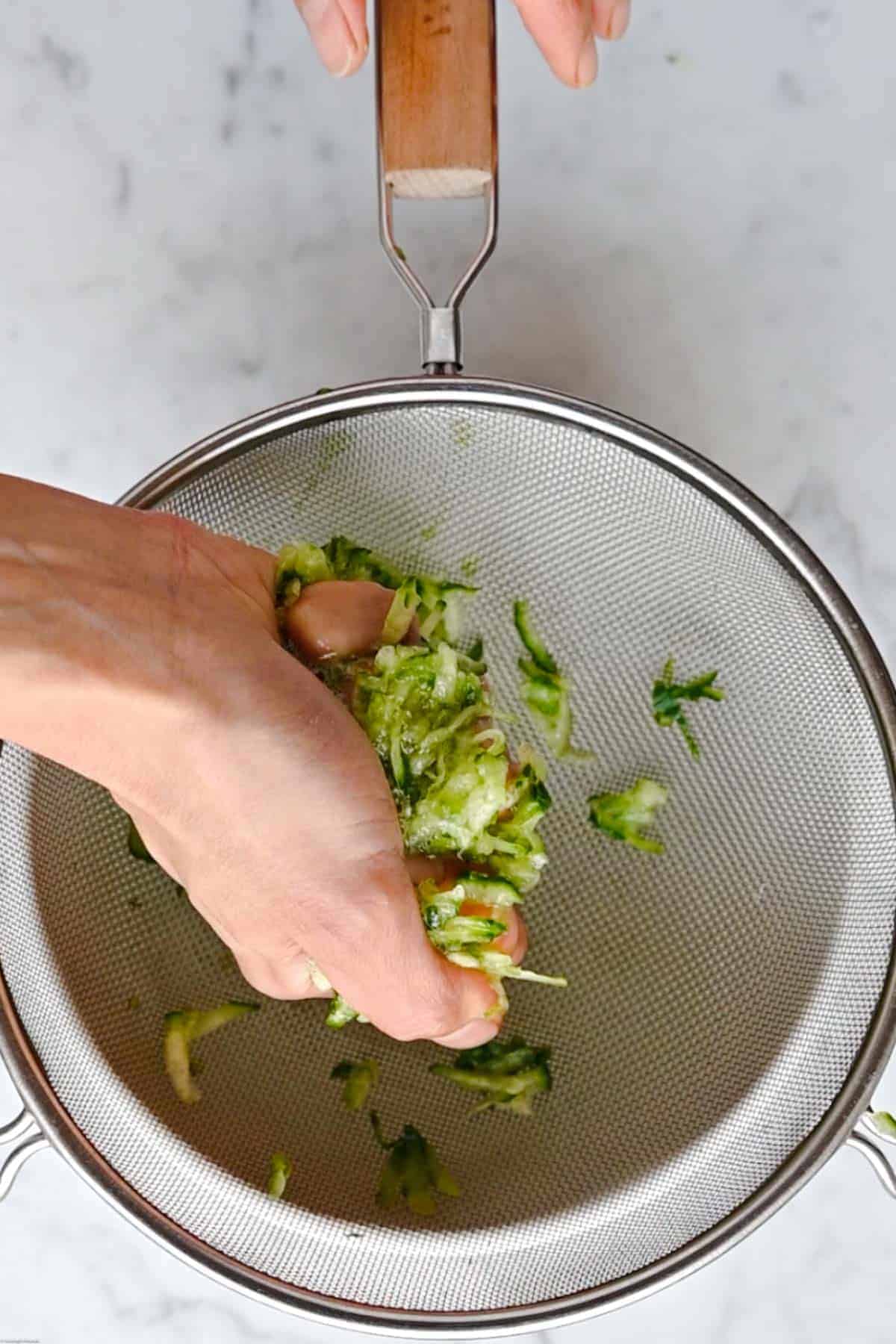
- Use your hands to squeeze out any excess water from the grated cucumber.
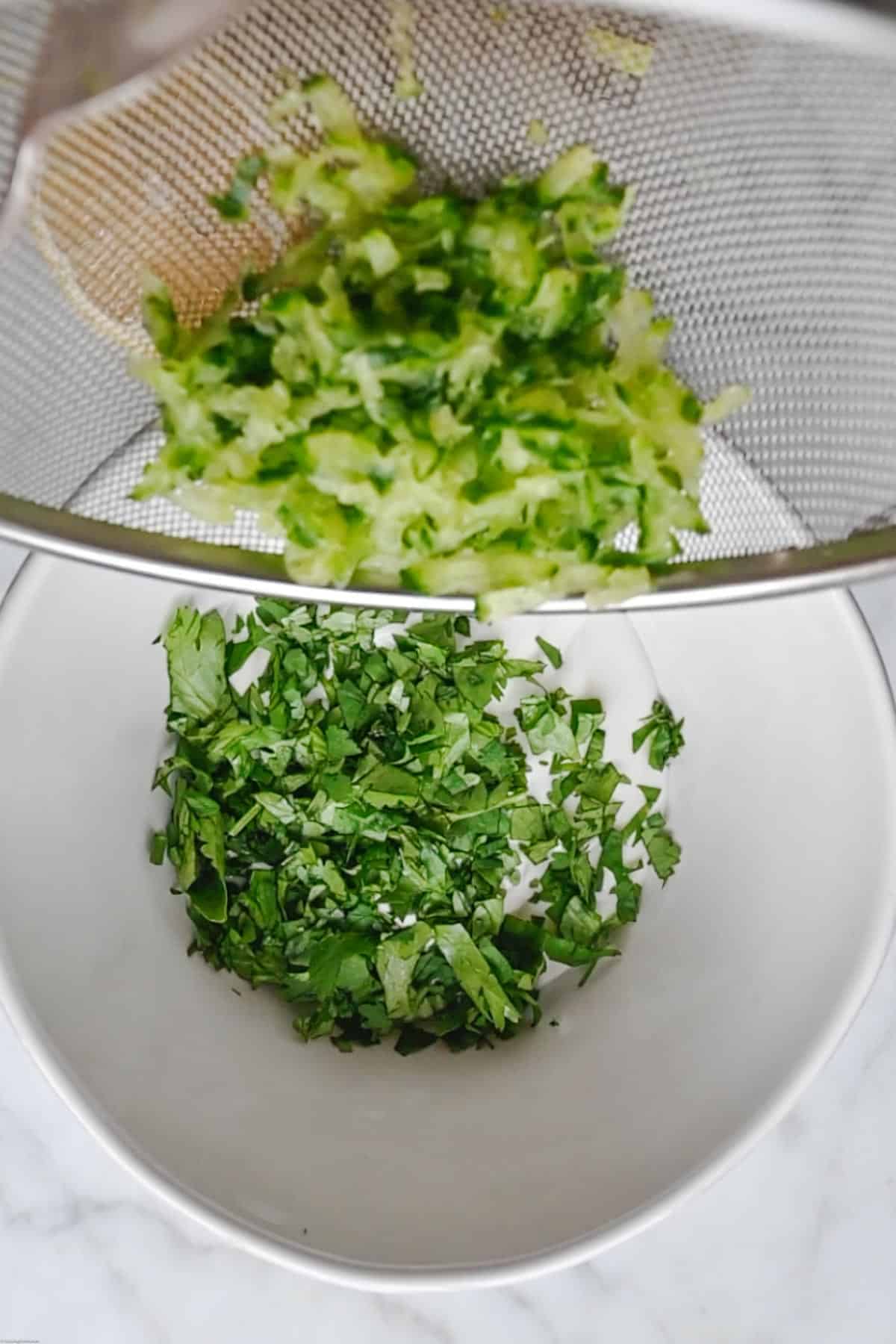
- Combine: Add the strained cucumber to the raita.
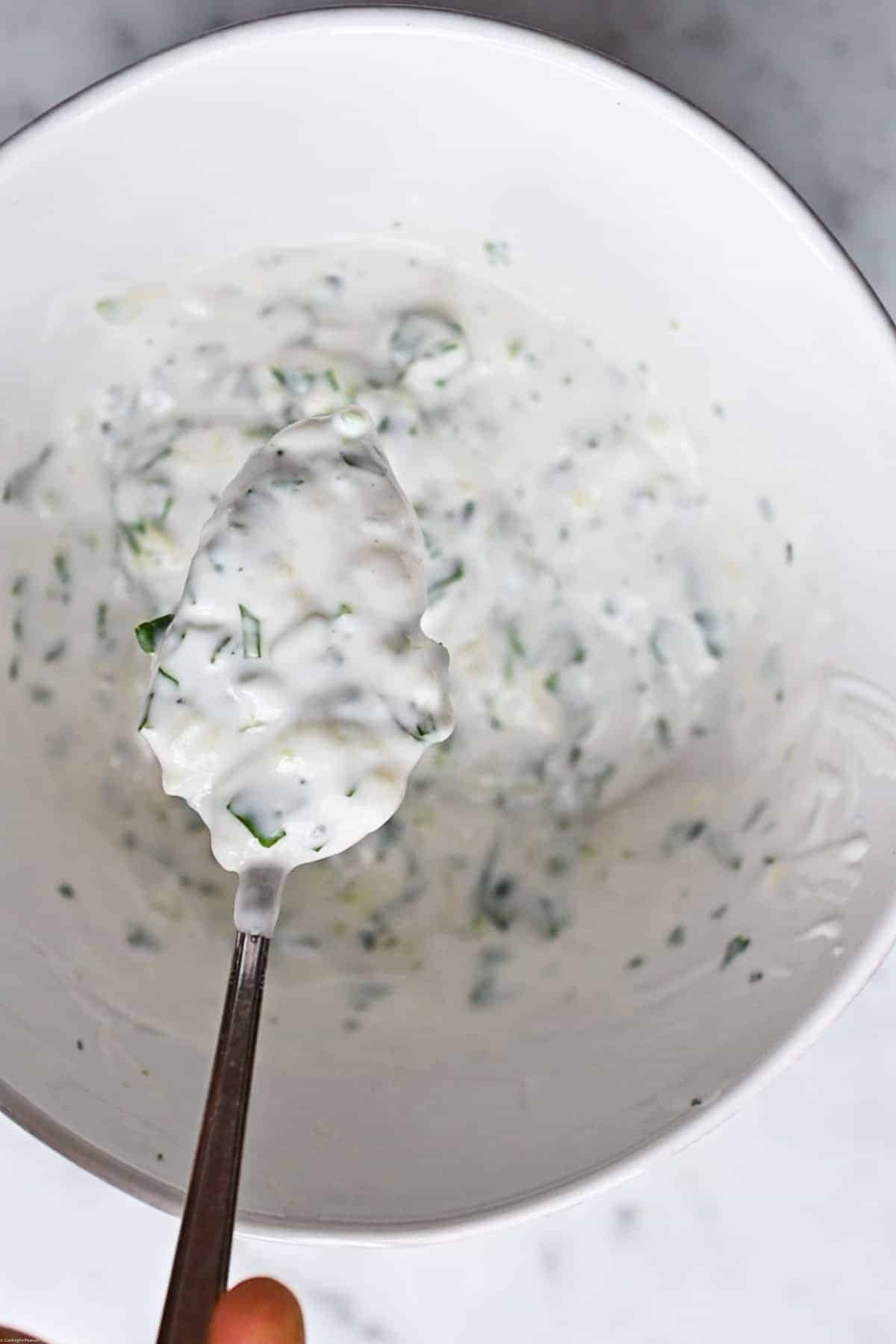
- Mix the ingredients until fully incorporated.
✔️ Expert Tips
- For the vegan raita: The largest holes on a box grater work best for grating the cucumber to make the raita.
- For serving: Serve with a grain of your choice. Drizzle with the raita for serving.
- Oil-Free: If you are skipping the oil, pair this with a heart-healthy fat like avocado or hemp hearts to enhance the absorption of fat-soluble vitamins.
- Storage: Refrigerate leftover Indian Chickpeas and Kale in an airtight container for up to 5 days. Store the vegan raita separately. The raita is good for up to 3 days. These ingredients don't stand up well to freezing.
🛍️ Shop Recipe Cookware and Ingredients

Note: As an Amazon Associate, I earn from qualifying purchases.
Nisha's Favorites
Get my tried-and-true products.
🍽️ Related Recipes
🫓 Pairing

🙋🏽♀️ Recipe FAQs
Yes, you can sauté the cumin seeds, onion, garlic, and spices in a small amount of water or vegetable broth instead of oil. This modification makes the dish suitable for those following an oil-free diet.
Cumin has a warm, earthy, slightly sweet, and bitter flavor. It is an essential ingredient in Indian curries. It is also used in Latin American, Middle Eastern, North African, and Mexican cuisines, such as rice dishes, soups, stews, pickles, and chilis. Use cumin sparingly as its flavor can make the dish taste bitter.
Sauté ground cumin with the aromatics. For cumin seeds, add them earlier in the recipe and toast in hot oil to release their essence. In some recipes, you can use 1 ¼ tablespoons of cumin seeds as a substitute for 1 tablespoon of ground cumin and vice versa.
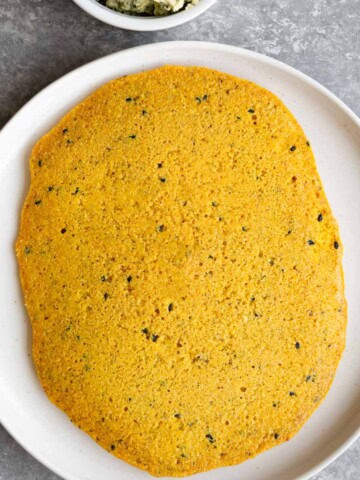
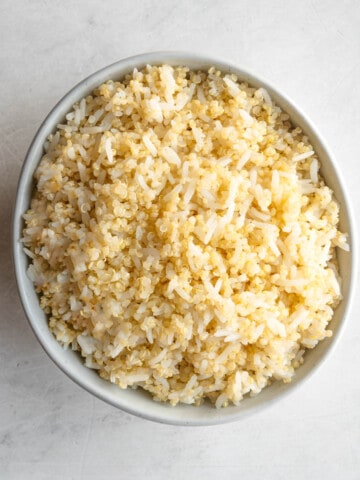
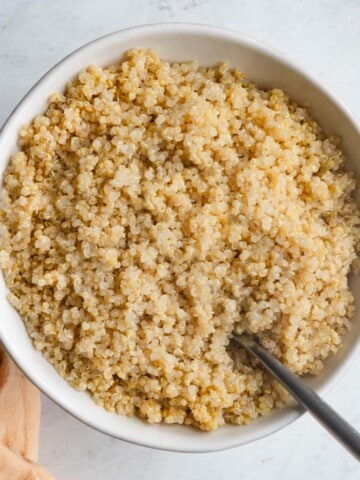
This dish pairs well with basmati rice, naan, or other Indian flatbreads. For a fiber-rich whole grain option, try serving it with barley, farro, or quinoa. These grains complement the flavors of the chickpeas and greens while adding a hearty, nutritious element to the meal.

👩🏽🍳 Made this recipe?
Let me know your thoughts on Indian Chickpeas and Kale by leaving a ⭐️ rating below or sharing it on Instagram.
Indian Chickpeas and Kale Recipe
Ingredients
- 1 tablespoon vegetable broth or olive oil or avocado oil
- 1 teaspoon cumin seeds
- 1 large yellow onion diced
- 4 garlic cloves minced
- 30 ounces chickpeas (2 15-ounce cans) drained and rinsed
- 1 ½ teaspoons garam masala
- ½ teaspoon turmeric
- ½ teaspoon coriander
- 1 ½ tablespoons tomato paste
- 4 cups chopped kale
- 1 small lemon
- Dash of ground mustard powder (optional - see note)
Optional for the raita:
- 1 small cucumber ends removed
- 5 ounces unsweetened nondairy yogurt or homemade yogurt (see notes)
- 3 tablespoons chopped cilantro
- 1 teaspoon fresh lemon juice plus more to taste
Save This Recipe!
Type your email & I’ll send it to you!
Instructions
- Grate the cucumber with the skin on using the larger holes on a box grater. Transfer the grated cucumber to a sieve and use your hands to squeeze out the excess water.
- Make the raita: Place the grated cucumber into a medium bowl. Add the yogurt, coriander, lemon juice, and salt to taste. Set aside.
- Toast cumin seeds and cook aromatics: Heat the oil in a large skillet over medium-high heat. Toast the cumin seeds for 1 minute, or until fragrant. Add the onion and cook for about 5 minutes, or until softened. Add the garlic and cook for 1 minute more.
- Sauté and season chickpeas: Add the chickpeas and stir to coat with the oil. Add the garam masala, turmeric, and coriander and cook for about 1 minute more, or until fragrant, stirring constantly.
- Cook the kale: Add the tomato paste and cook for another minute, stirring constantly. Add ¼ cup water and mix to incorporate. Cook for 2 minutes more. Add the kale and cook for about 3 minutes, or until softened, adding more water as needed.
- Remove from the heat and add a generous dash of mustard powder, lemon juice, and salt to taste and mix to incorporate.
- For serving: Stir the raita. Serve with the chickpeas and a grain of your choice.
Notes
- Nutrition facts include Raita.
- Chickpeas: Use 2 (15-ounce) cans or 3 cups cooked.
- Cumin seeds: Substituted with ½ teaspoon ground cumin. Add the ground cumin with the onion.
- Yogurt: Store-bought cashew, almond, and coconut yogurt pair well with this dish. You can also use my homemade soy milk yogurt or cashew yogurt.
- For the vegan raita: The largest holes on a box grater work best for grating the cucumber to make the raita.
- Ground mustard powder is added at the end of the cooking process to restore the enzyme myrosinase, which creates cancer-fighting sulforaphane. Alternatively, you can chop the kale 40 minutes before cooking, activating the enzyme and giving it time to work its magic!
- For serving: Serve with a grain of your choice. Drizzle with the raita for serving.
- Oil-Free: If you are skipping the oil, pair this with a heart-healthy fat like avocado or hemp hearts to enhance the absorption of fat-soluble vitamins.
Nutrition
This information is provided as a courtesy and is only an estimate. Nutritional values may vary depending on factors such as product types and brands used.
Cindy says
What is the quantity of coriander to use for the raita? Thanks!
Nisha Melvani, RDN says
3 tablespoons chopped. It is on the printable recipe card at the bottom of the page.
Heather J says
We were having a BLT dinner salad tonight and I was looking for a hearty side dish that felt carb-y but had more protein than bread or potatoes, and this definitely fit the bill! We already love garam masala, so I knew we'd love this, too. Garam masala is maybe not the first flavor profile one thinks of matching with turkey/lettuce/tomato/bacon, BUT not a chickpea remained when we left the table, and it was unanimously voted for me to save the recipe and add it into our side dish rotation. I made it first then did our salad, so we ate it closer to room temperature than hot, and loved it that way.
Nisha Melvani says
Makes me so happy to read this. I'm thrilled you enjoyed this recipe so much. Thanks for commenting. Have a great day.
Suzan says
This was absolutely delicious. So much flavour, loved the spices and textures. So happy there was enough for leftovers for lunch the next day. Loved it!
Nisha Melvani says
Makes my day to read this. I am so happy it was a hit. Thank you for commenting.
Amina says
I love the spicy curry flavour of this dish with the contrasting freshness of the raita. It's delicious. I have made it with spinach instead of kale and it's just as good. Makes a brilliant side dish too.