
Boost your health with this easy homemade low-sodium hot sauce that supports blood sugar and blood pressure management. Made with the powerful combination of vinegar, red chili peppers, and lycopene, this flavorful sauce enhances the taste of your meals, regulates blood sugar spikes, and promotes heart health. The vinegar blunts sugar spikes, while lycopene-found in tomatoes-provides antioxidant benefits.

Save This Recipe!
Type your email & I'll send it to you!
This 5-ingredient sauce is made with ingredients proven to promote longevity! Consuming spicy foods may also help with weight loss, and reduce the craving for salty foods. Add this healthy and flavorful sauce to your meals as a nutritious way to add spice and boost longevity.
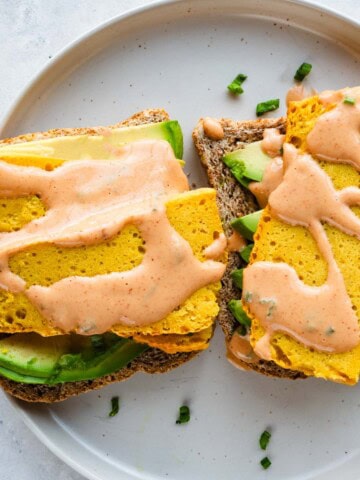
This hot sauce was inspired by my Vegan Green Sauce recipes and my creamy oil-free Hemp Seed Dressing. Try it with my Best Vegan Eggs!
Jump to:
- 🌶️ Health Benefits of Spicy Foods: How Chili Peppers May Support Longevity
- 🧂The Truth About Sodium: How Much Is Too Much?
- 👩🏼🌾 Ingredients & Health Benefits
- 🫚 Substitutions
- 📖 How to Make Low-Sodium Hot Sauce
- ✔️ Expert Tips
- 🛍️ Shop Recipe Cookware and Ingredients
- 🙋🏽♀️ Recipe FAQs
- 🫙 Related Recipes
- 🥄 Pairing
- 👩🏽🍳 Made this recipe?
- Low-Sodium Hot Sauce
- 💬 Comments
🌶️ Health Benefits of Spicy Foods: How Chili Peppers May Support Longevity
Research suggests that consuming spicy foods, particularly chili peppers rich in capsaicin, may be linked to reduced overall mortality. Here's how capsaicin contributes to potential health benefits:
1. Boosts Metabolism:
Capsaicin activates brown fat, promoting fat burning and increasing calorie expenditure and metabolic rate after high-fat meals.
2. Enhances Salt Perception:
Capsaicin heightens salt perception, allowing for reduced sodium intake while maintaining flavor. This can help lower blood pressure, supporting overall heart health.
3. Supports Longevity:
By reducing sodium consumption and boosting metabolic rate, chili peppers may contribute to a longer, healthier life.
🧂The Truth About Sodium: How Much Is Too Much?
Sodium is an essential nutrient, but the small amounts your body needs are naturally present in vegetables and other whole foods. Scientific evidence clearly shows that excess sodium raises blood pressure-even a single high-sodium meal can trigger an increase.
For the majority of human history, our ancestors consumed less than a quarter teaspoon of salt's worth of sodium per day. Today, many so-called "low-salt" diets still contain far more sodium than the body requires.
Excess salt can cause water retention, prompting the body to raise blood pressure to expel the extra fluid. Beyond its impact on blood pressure, salt can directly damage arteries-harm that can begin within just 30 minutes of consumption.
If you're not mindful of your sodium intake, a consistently high-salt diet can lead to a gradual increase in blood pressure over time, raising the risk of heart disease and other health problems. Reducing sodium is a simple but powerful step toward better long-term health.
👩🏼🌾 Ingredients & Health Benefits
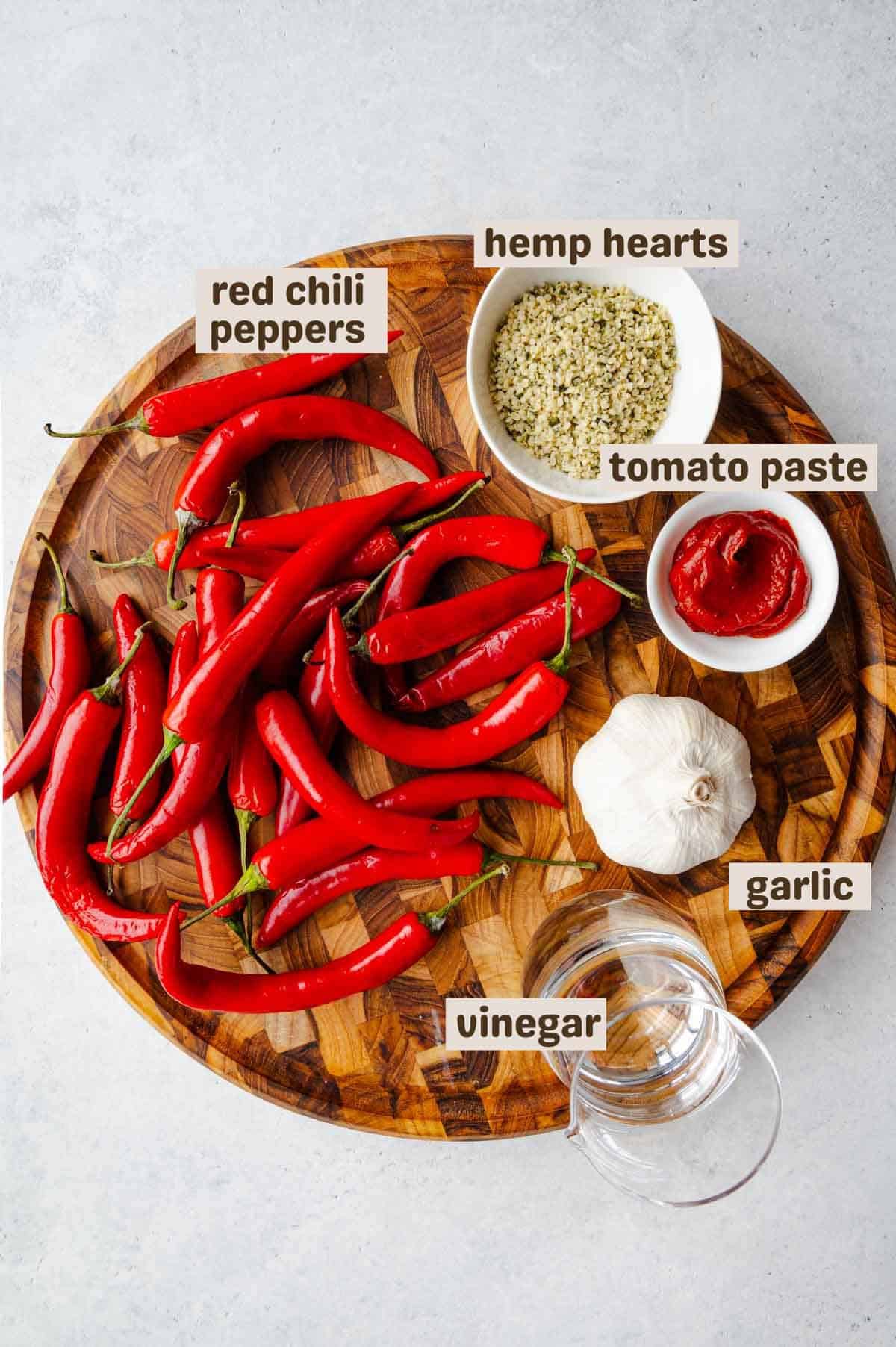
- Red chili peppers contain the active ingredient, capsaicin, which produces the 'heat' sensation and has been linked to a notable reduction in the risk of premature death.
- White vinegar blunts blood glucose and insulin spikes after a meal. It improves both long-term and short-term blood glucose control. All types of vinegar work as they contain the active ingredient, acetic acid. Vinegar has also been shown to restore ovulatory function in women with Polycystic Ovary Syndrome. Just do not drink vinegar straight as it can cause second-degree caustic burns down the throat.
- Tomato paste contains lycopene, the phytonutrient that gives tomatoes their bright red color, and one of the most potent antioxidants. One tablespoon of tomato paste daily significantly reduced gingivitis within one week, and improved gum bleeding in periodontal patients. In a human randomized control study, a 'tomato sauce-based dietary intervention' in men with prostate cancer decreased free radical damage of their DNA in white blood cells by 21 percent.
- Garlic increases the absorption of zinc and iron. Add this healthy hot sauce to greens to increase iron absorption!
- Hemp hearts are protein powerhouses, offering 31.6g of protein per 100 grams-151% more than eggs, which contain 12.6g protein per 100 grams.
See the printable recipe card below for quantities.
🫚 Substitutions
- Ginger - add ginger for even more blood sugar-lowering benefits and a warm zingy flavor
- Date syrup - transform this hot sauce into a sweet and spicy condiment
- Red chili peppers - Use jalapeños, serrano peppers, habaneros, or any variety of chili peppers instead. The main differences will be the color of the sauce, the heat level, the sweetness, and the flavor of the peppers themselves.
- Vinegar - Use white, apple cider, red, white wine, or rice vinegar. This will change the flavor of the hot sauce but still have the same health benefits.
- Hemp hearts - omit as desired or use sunflower seeds for creaminess
- Tomato paste - optional
For more healthy dressings, visit my Healthy Dressing Recipes page.
📖 How to Make Low-Sodium Hot Sauce
This is an overview. The full recipe is at the bottom of the post.
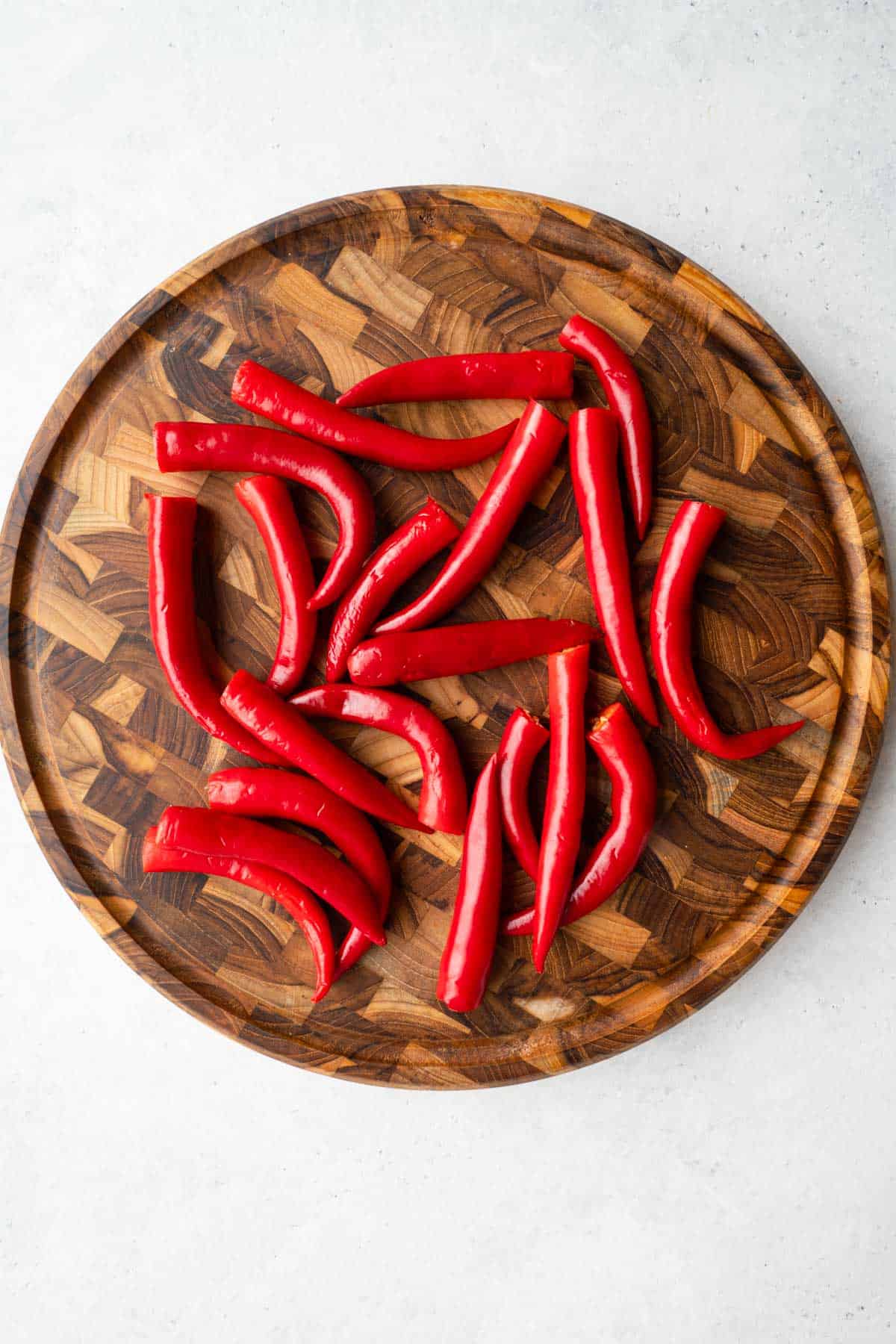
- Slice off the tops of the chili peppers.
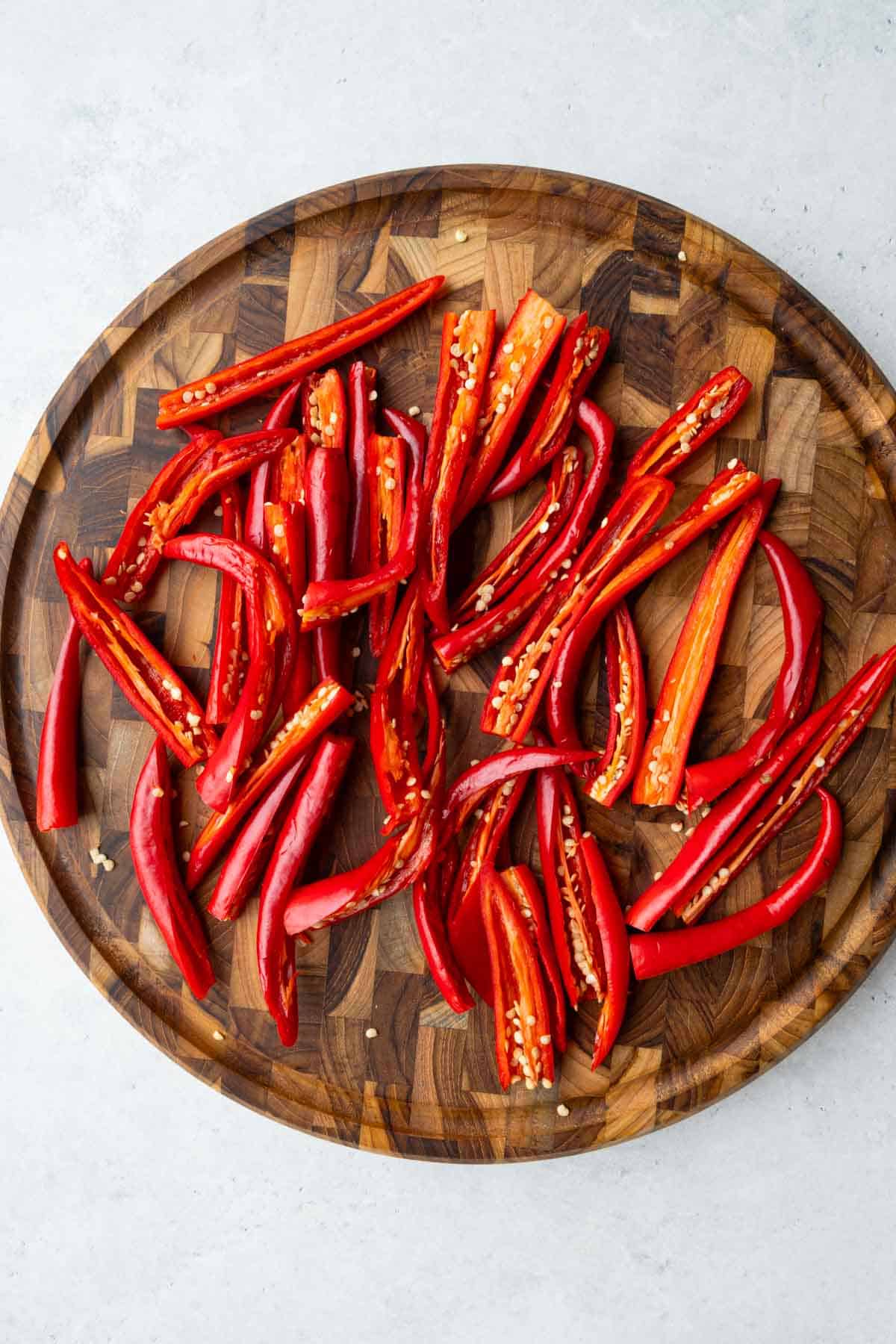
- Slice them in half lengthways.
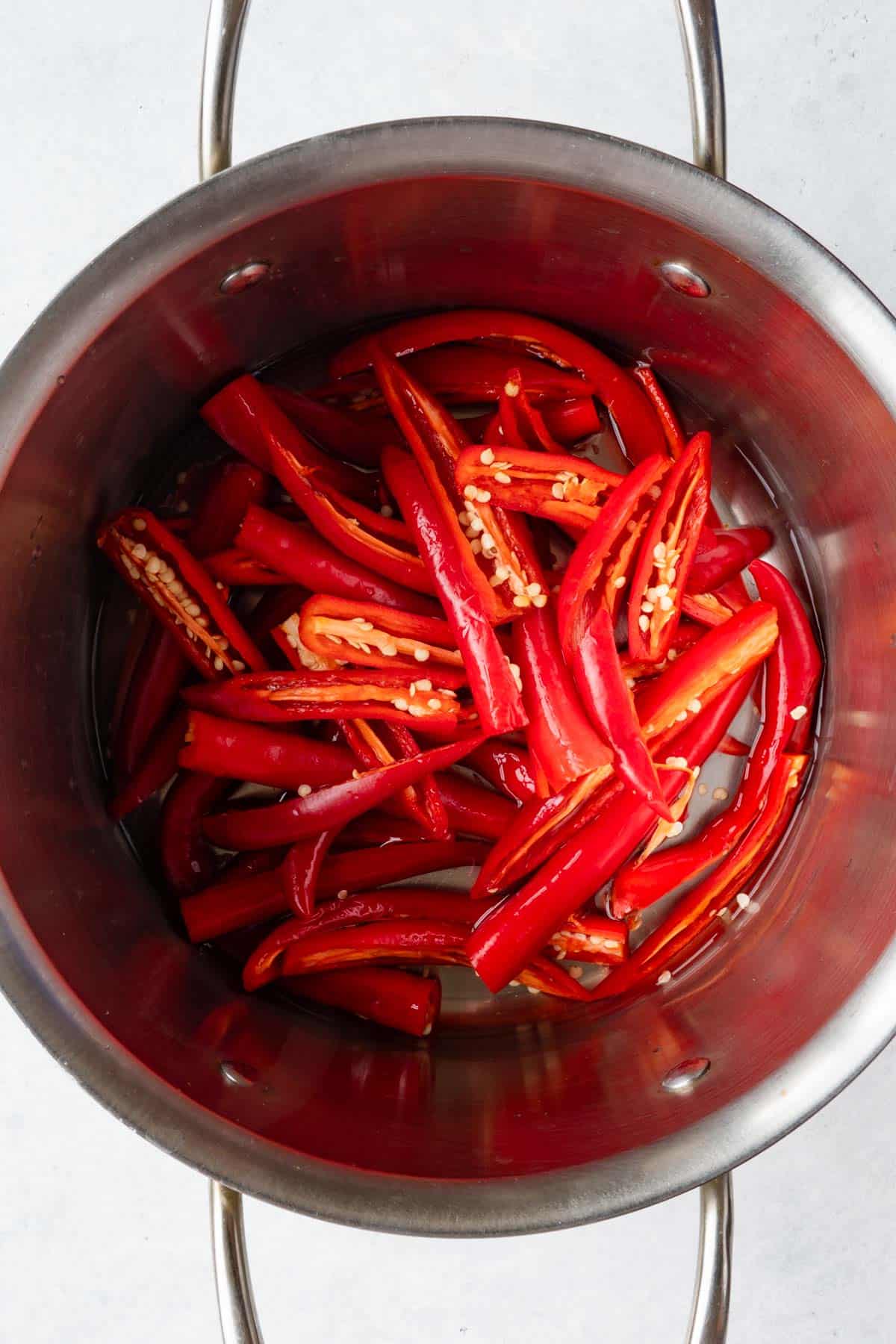
- Transfer the peppers to a saucepan with the vinegar.
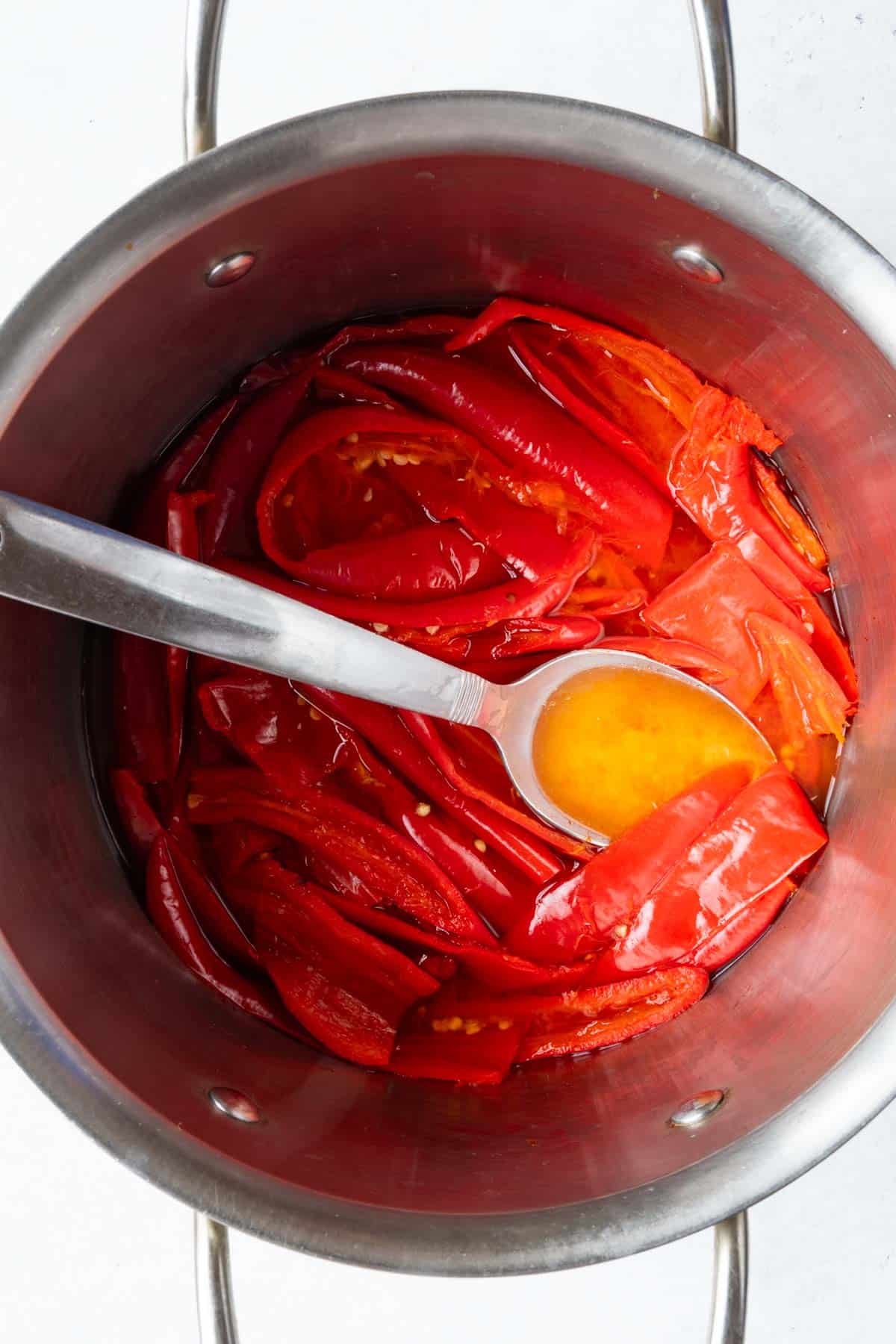
- Simmer over low heat for 10 minutes, stirring occasionally. The peppers will soften.
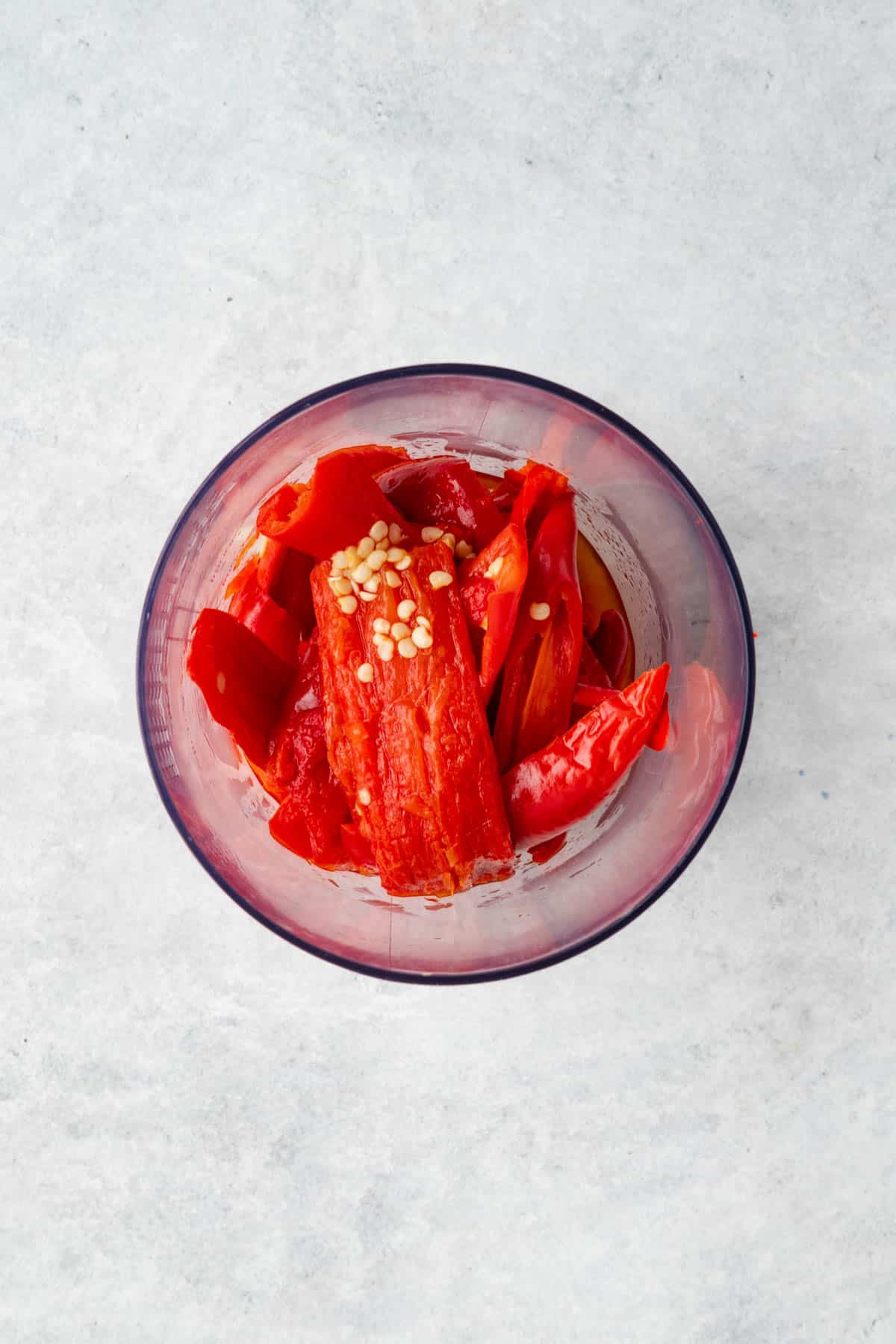
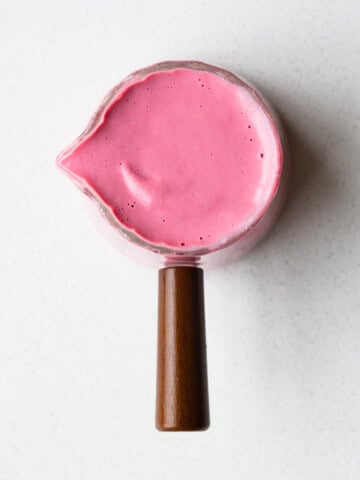
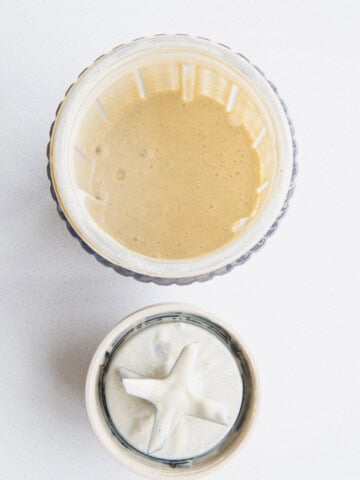
- Transfer the peppers and vinegar to the canister of an immersion or regular blender. Add garlic, hemp hearts, and tomato paste. Blend until smooth.
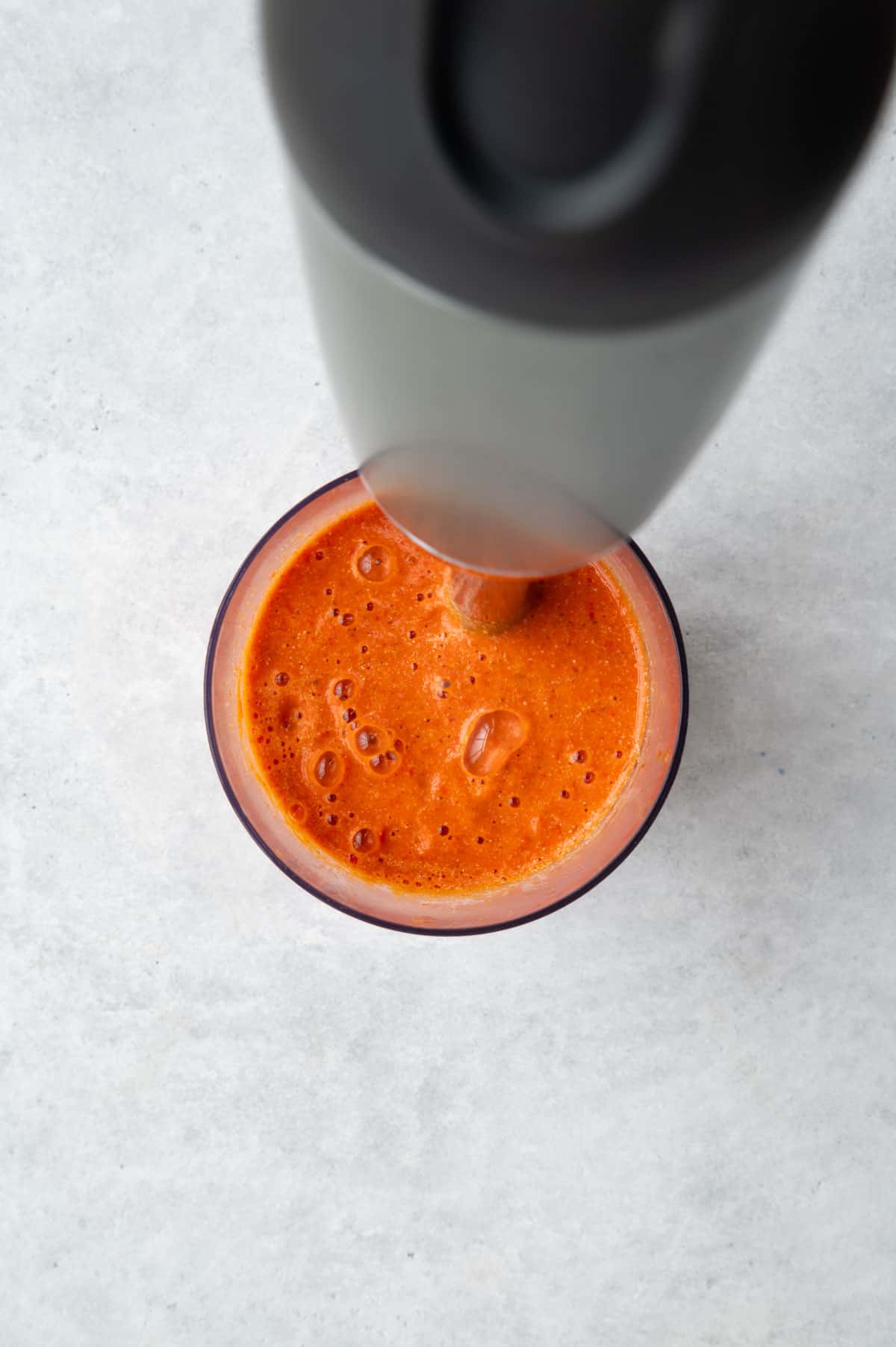
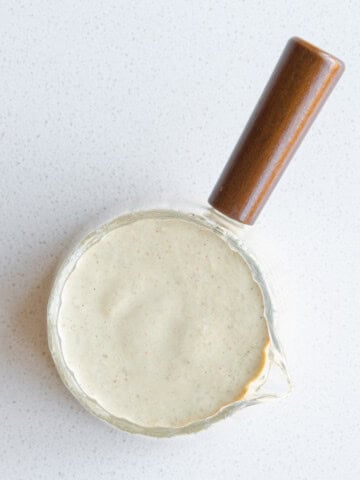
- Blend until smooth and creamy.
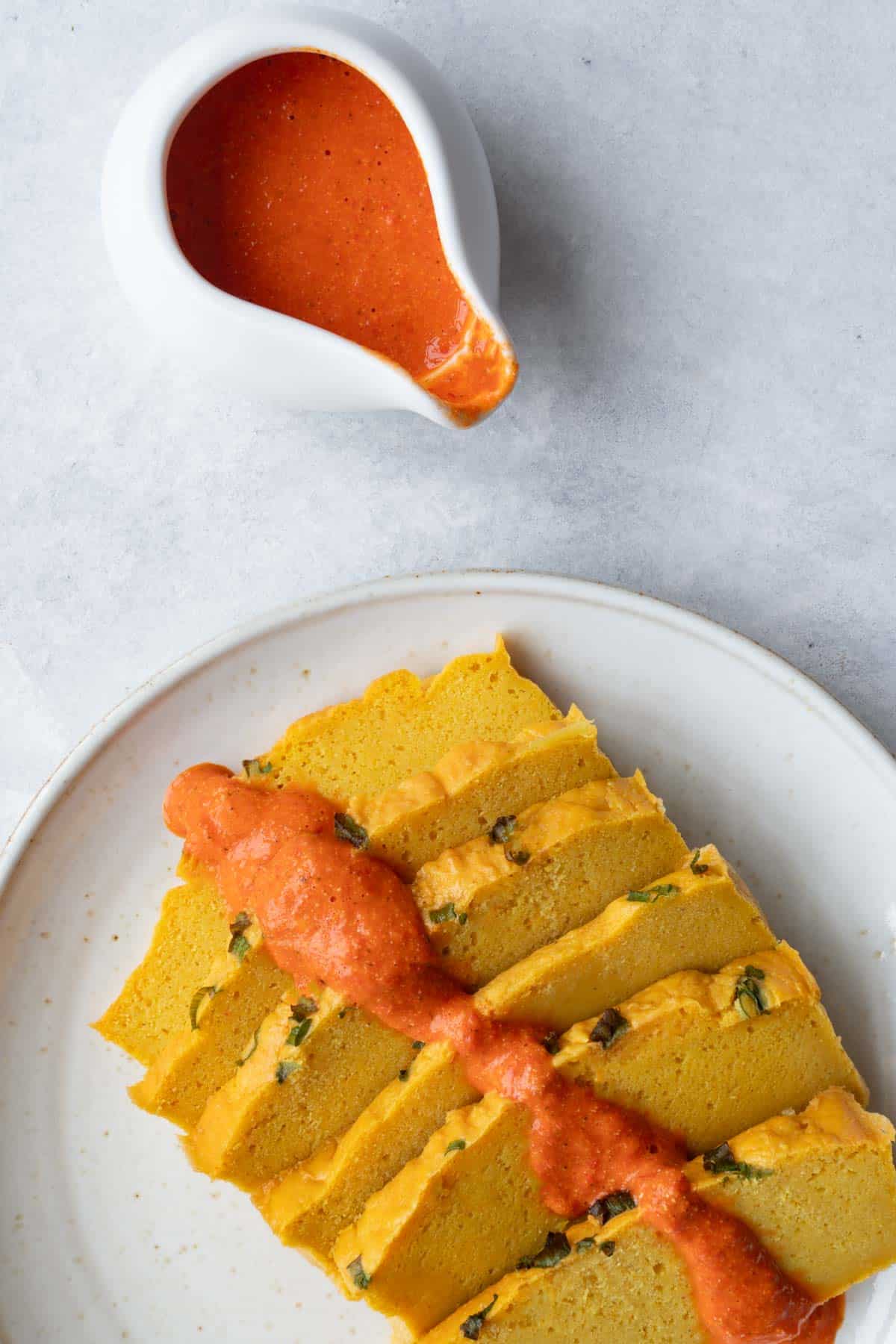
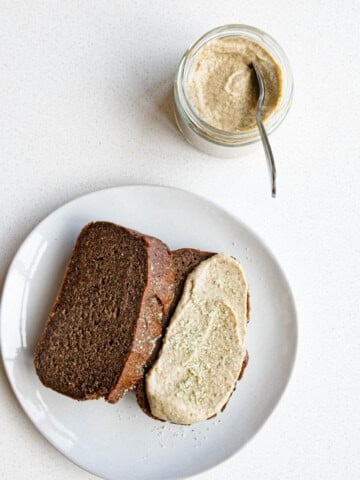
Pair this creamy homemade hot sauce with Vegan Eggs for a delicious savory high-protein breakfast!
✔️ Expert Tips
- Protect Your Hands: Wear gloves when cutting chili peppers or wash your hands thoroughly afterward to avoid irritation, especially near your eyes.
- To make your hot sauce milder, use a small knife or spoon to scrape out the white pith inside the peppers before blending.
- Blending Tips for Using an Immersion Blender: Let the sauce cool slightly before blending to avoid burns or splashes. Avoid overfilling the container and blend in batches to prevent spills and splashes into your eyes.
- Add Natural Sweetness: For a healthy sweet and spicy sauce, add date syrup, maple syrup, or soaked pitted Medjool dates.
- Storage: Refrigerate in an airtight container for up to 7 days. For longer storage, freeze in a freezer-safe container or preportioned freezer cubes for up to 3 months.
🛍️ Shop Recipe Cookware and Ingredients

Note: As an Amazon Associate, I earn from qualifying purchases.
Nisha's Favorites
Get my tried-and-true products.
🙋🏽♀️ Recipe FAQs
Not exactly. The seeds themselves are not very spicy, but the white pith (or membrane) inside the chili pepper contains most of the capsaicin, the compound responsible for heat. Removing the seeds along with the pith can significantly reduce the pepper's spiciness. If you only remove the seeds and leave the pith intact, the heat level won't change much.
No, fermentation is optional. While fermenting hot sauce can enhance its flavor complexity and add probiotics, you can still make delicious hot sauce without it. Non-fermented sauces are quicker to prepare and still offer health benefits from ingredients like chili peppers and garlic. Fermentation requires more time, attention, and proper handling to avoid food safety issues.
White vinegar is my top choice for making hot pepper sauce due to its clean, sharp flavor and excellent preservative qualities. However, you can experiment with milder or more flavorful vinegar like apple cider, rice, white wine, or red wine vinegar.
Red, fresh, and vibrant peppers work best for hot sauce. Popular choices include cayennes, red jalapeños, red serranos, and Fresno peppers. However, you can experiment with a variety of chili peppers to customize the heat and flavor profile of your sauce.
🫙 Related Recipes
🥄 Pairing

👩🏽🍳 Made this recipe?
Let me know your thoughts on Low-Sodium Hot Sauce by leaving a ⭐️ rating below or sharing it on Instagram.

Low-Sodium Hot Sauce
Ingredients
- 20 red chili peppers
- 1 ½ cups white vinegar or red wine, white wine, apple cider, or rice vinegar
- 2 large cloves garlic
- ¼ cup hemp hearts or sunflower seeds (optional)
- 2 tablespoons unsalted tomato paste (optional)
Save This Recipe!
Type your email & I'll send it to you!
EQUIPMENT
- Immersion blender or blender
Instructions
- Prep the Peppers: Slice off the tops of the red chili peppers and cut them in half lengthwise.
- Simmer the Peppers: Add the peppers and vinegar to a saucepan. Simmer over low heat for 10 minutes, stirring occasionally.
- Blend the Ingredients: Transfer the peppers and vinegar to the canister of an immersion or regular blender. Add garlic, hemp hearts, and tomato paste. Blend until smooth.
- Season and Serve: Add salt to taste.
Notes
For a healthy sweet and spicy sauce, add date syrup, maple syrup, or soaked pitted Medjool dates.
Nutrition
This information is provided as a courtesy and is only an estimate. Nutritional values may vary depending on factors such as product types and brands used.
Jan Brockway says
Hi Nisha, I gave you 5 stars but you deserve 10
Is it sodium or iodine?
I have health issues and supposedly it’s not enough iodine. I learned years ago that sodium was crystalized poison so I’ve cut that out of my life about 40 years ago. My drs are just practicing physicians, meaning they aren’t drs. Just people who love their paychecks and pharma companies for referring specialists and prescriptions.
But I love a good hot sauce so I’m going to try your recipe. Thank you!
Nisha Melvani, RDN says
Thank you so much for your comment. This is the case with many drs. No nutrition training or real interest. For iodine, I recommend adding seaweed to you diet. Even just snacking on nori sheets is very helpful.
Denise Arias says
How long can this be stored in the refrigerator? This sounds delicious but I want to make sure it won't go bad.
Nisha Melvani, RDN says
At least one week plus it is freezable.
Nisha Melvani, RDN says
You can also make half the recipe.