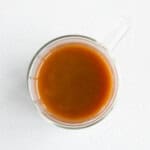
Filter Coffee Recipe
Filtered Coffee Without a Machine that's better for your heart! Learn how to make delicious, filtered coffee without a machine and why it’s a heart-healthier option for managing cholesterol.
Servings: 1 serving
Calories: 0.1kcal
Ingredients
- 1 tablespoon ground coffee or to taste (about 1 to 2 tablespoons, or 15-30 grams, per serving)
- 8 ounces water (240ml), plus more as needed (temperature 195-205°F or 90-96°C)
Instructions
- Position the reusable filter in the pour-over coffee maker, or on top of your mug or carafe. Heat water in a gooseneck kettle to just below boiling (195-205°F or 90-96°C).
- Position the paper filter inside the reusable filter.
- Rinse the filter: Pour boiled water inside to rinse the paper filter to remove any paper taste, and preheat the dripper and mug. Discard the rinse water.
- Bloom the coffee: Pour the ground coffee into the damp paper filter. Start by pouring just enough hot water over the grounds to saturate them evenly (about twice the weight of the coffee grounds). This initial pour is called the "bloom" and allows the coffee to de-gas, releasing carbon dioxide that can inhibit flavor extraction. Let the coffee bloom for about 30-45 seconds. You’ll see the grounds expand and bubble slightly.
- Continue Pouring Slowly: After the bloom, slowly pour the remaining hot water in a controlled, circular motion, starting from the center and moving outward, avoiding the edges of the filter. Pour steadily, keeping the water level consistent without flooding the dripper. Continue pouring until you've added the desired amount of water. The total brewing time should be around 3-4 minutes.
- Allow the coffee to drip completely through the filter. Once it stops dripping, remove the dripper, discard the used filter and grounds, and give your coffee a gentle swirl. Pour into the mug for serving.
Notes
- Use hot water (just off the boil, around 195-205°F or 90-96°C).
- Use about 1-2 tablespoons (15-30 grams) of freshly ground coffee per 8 ounces (240 ml) of water, depending on how strong you like your coffee.
- Use a medium roast coffee with a stainless steel filter and a paper filter to get the longevity benefits of coffee without increasing cholesterol over time. Test your cholesterol levels yearly to confirm this strategy is working for you.
- Use a straw: Drinking your coffee with a heat-safe straw can help prevent teeth staining.
- Use coarsely ground coffee. The more particles that get through the filter, the more likely coffee drinking will raise LDL cholesterol.
- If adding milk, consider using plant-based milk. Dairy milk may reduce the health benefits of coffee.
- FIND ALL MY COFFEE-MAKING ESSENTIALS HERE.
Nutrition
Calories: 0.1kcal | Sodium: 11mg | Calcium: 7mg
